
IPC Standards and ISO Certification: Quality Assurance Guide for PCB Assembly
Quality in PCB assembly is not subjective. It is defined by a comprehensive framework of IPC standards and ISO certifications that establish objective, measurable criteria for every aspect of electronics manufacturing. Understanding these standards helps engineers, buyers, and quality professionals communicate expectations clearly and evaluate manufacturing partners objectively.
This guide explains the key standards governing PCB assembly quality, what each standard covers, and how to use them effectively in supplier evaluation and quality management.
IPC-A-610: Acceptability of Electronic Assemblies
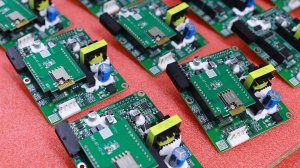
IPC-A-610 is the most widely referenced standard for PCB assembly quality acceptance. It provides visual acceptance criteria for solder joints, component mounting, cleanliness, and other assembly characteristics. The standard is organized by feature type, with detailed photographs showing acceptable and rejectable conditions.
The standard defines three classes of products based on their reliability requirements. Class 1 covers general electronic products where the primary requirement is functionality. Class 2 applies to dedicated service electronic products where extended life and uninterrupted service are desired. Class 3 covers high-performance electronic products where continued performance is critical and downtime cannot be tolerated.
The difference between classes translates to specific acceptance criteria. A solder joint that would pass for a Class 1 consumer product may fail for Class 3 aerospace or medical requirements. The maximum acceptable voiding in BGA solder joints, the minimum solder fill percentage for through-hole connections, and the acceptable degree of pad lifting all vary by class. When specifying PCB assembly quality requirements, the IPC class must be explicitly stated, not assumed.
Using IPC-A-610 in Practice
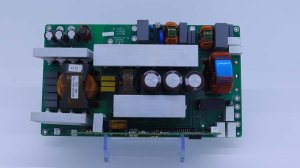
The standard is designed as a post-assembly acceptance document, telling an inspector what conditions are acceptable for a finished assembly. However, its real value emerges when applied proactively. Design engineers who understand IPC-A-610 acceptance criteria create designs that are inherently more manufacturable. Process engineers who know what conditions cause rejections design processes that avoid those conditions.
During supplier evaluation, ask potential assembly partners whether their operators are trained and certified to IPC-A-610. Certification programs through IPC-authorized training centers ensure that inspectors apply the criteria consistently. A manufacturer that invests in operator certification demonstrates commitment to quality beyond documentation.
J-STD-001: Requirements for Soldered Electrical and Electronic Assemblies
While IPC-A-610 defines what acceptable assemblies look like, J-STD-001 defines the process requirements for producing acceptable assemblies. It covers materials selection, soldering processes, cleaning requirements, and process control specifications. If IPC-A-610 is the inspection standard, J-STD-001 is the manufacturing standard.
The standard addresses solder material selection including alloy composition and flux type, soldering process parameters for hand soldering, wave soldering, and reflow soldering, cleaning processes and cleanliness testing requirements, and through-hole and surface mount assembly requirements with specific criteria for each technology.
J-STD-001 incorporates the same three product classes as IPC-A-610, with process requirements becoming more stringent at higher classes. For Class 3 assemblies, additional requirements include tighter process control limits, more frequent process monitoring, and specific operator proficiency demonstrations. The standard also includes requirements for electrostatic discharge control, tooling calibration, and facility conditions that affect soldering quality.
IPC-6012: Qualification and Performance for Rigid PCBs
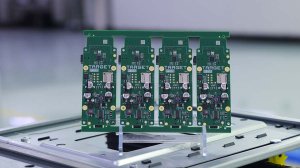
IPC-6012 addresses the bare printed circuit board before components are assembled. While primarily a fabrication standard, it directly impacts assembly quality because the quality of the bare board determines the quality of the finished assembly. A PCB with poor hole wall quality, inadequate copper thickness, or delamination will produce assembly defects regardless of how well the assembly process is controlled.
Key requirements in IPC-6012 include minimum copper thickness in plated through-holes, hole wall quality and freedom from nodules or voids, laminate integrity under thermal stress testing, solder mask adhesion and resolution, and surface finish quality and solderability.
Understanding IPC-6012 requirements helps assembly buyers specify appropriate bare board quality levels and evaluate incoming board quality before committing to assembly. A pre-production board inspection against IPC-6012 criteria catches fabrication issues before they create assembly scrap.
ISO 9001 and Beyond: Management System Standards
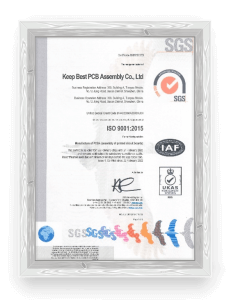
While IPC standards address technical requirements, ISO standards address the management systems that ensure those technical requirements are consistently met. ISO 9001 is the baseline quality management standard, requiring documented processes, management commitment to quality, and continuous improvement mechanisms.
For PCB assembly, ISO 9001 certification indicates that the manufacturer has established quality management fundamentals. However, ISO 9001 alone does not guarantee electronics manufacturing competence. The standard is generic and applies equally to a PCB assembly operation and a hotel. This is why industry-specific standards like IPC and IATF 16949 are essential supplements to ISO 9001 certification.
ISO 13485 for medical devices and IATF 16949 for automotive add industry-specific requirements to the ISO 9001 framework. These standards impose additional rigor in areas such as risk management, traceability, and regulatory compliance. Manufacturers serving multiple industries often maintain integrated management systems addressing all applicable standards.
Evaluating Quality Beyond Certificates
Certifications provide a useful baseline, but they do not tell the full quality story. A manufacturer can hold every relevant certificate and still produce inconsistent quality if their quality culture is weak. During evaluation, look beyond the certificates on the wall to indicators of a genuine quality culture.

Observe whether operators perform inspections with genuine attention or rote motions. Check whether non-conforming material is clearly identified and segregated. Review quality data trends rather than point-in-time snapshots. Ask about recent quality issues and how they were addressed. A manufacturer that is transparent about challenges and methodical about solutions demonstrates the quality maturity you want in a supplier.
When selecting a PCB assembly manufacturer, verify their certifications are current and that their quality data supports their claims. A quality-certified PCBA partner should welcome audit visits and provide transparent access to quality metrics and process documentation. If a manufacturer is reluctant to share quality data, consider that a significant warning sign regardless of their certification portfolio.