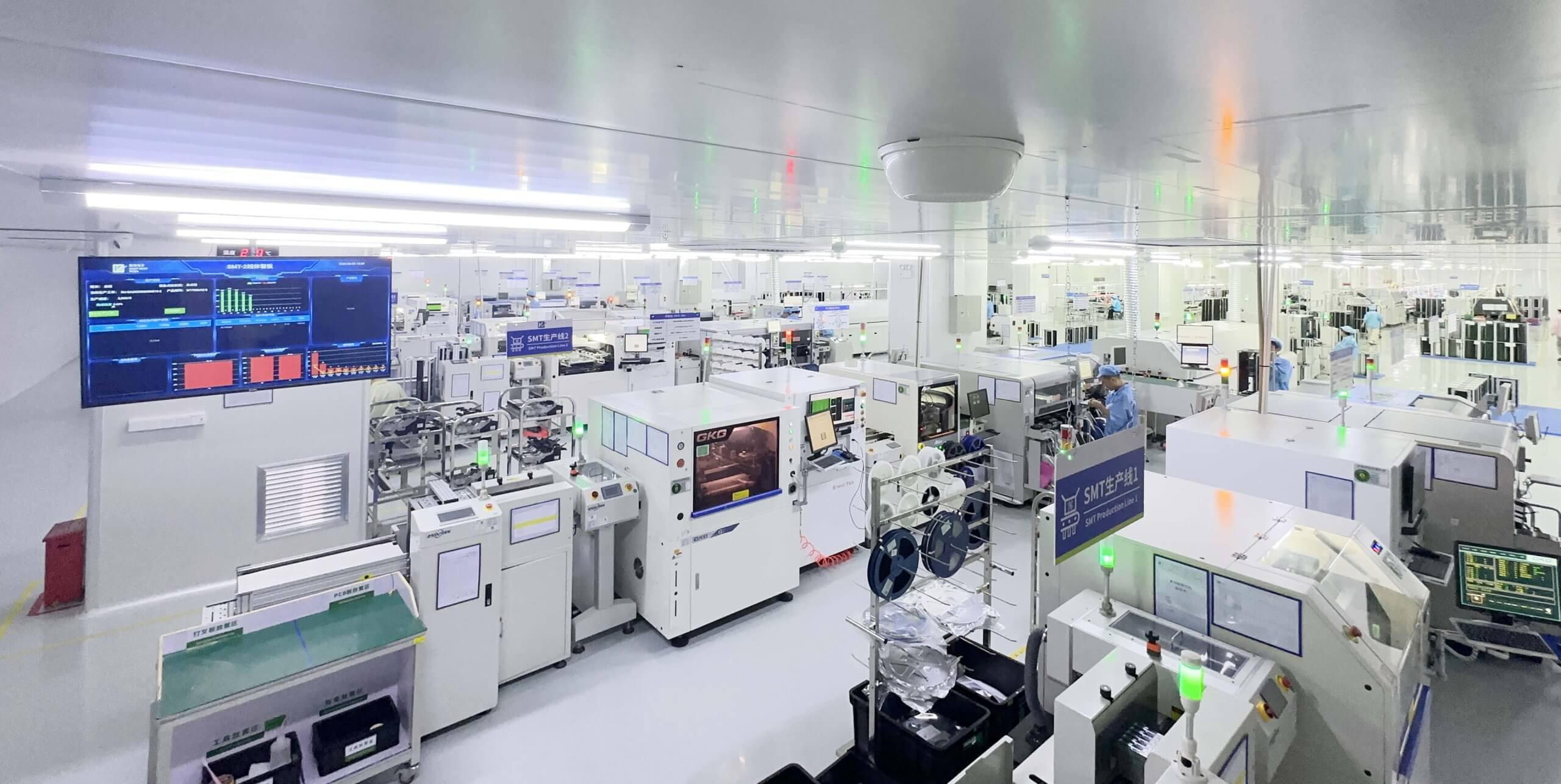
Manufacturing flow
See the PCB assembly process.
Follow incoming material through SMT, THT, inspection, testing and release.
View assembly process →
PCB Assembly FAQs
Search practical answers about PCB assembly, manufacturing, box build, SMT, THT, sourcing and project preparation.
FAQ library
Practical answers to the questions buyers ask before a PCB assembly project. Choose a topic or search a keyword.
Yes. KeepBest focuses on quality-controlled PCBA for small- and medium-volume programs as well as prototype-to-production support. Share the build quantity, revision and required test scope so the production route can be reviewed.
A full turnkey service places PCB fabrication, component sourcing, assembly, inspection and delivery under one coordinated workflow. It can reduce vendor handoffs, simplify communication and make schedule and material responsibility clearer. Learn more on the turnkey PCB assembly services page.
Turnkey PCB assembly means the manufacturing partner manages the defined project scope—from component or part sourcing through PCB fabrication, assembly, inspection, testing and final delivery. The exact scope should be confirmed in the quotation.
Yes. Available PCB surface-finish options can include OSP, ENIG, immersion silver and other project-specific finishes. The appropriate option depends on the board design, assembly process, shelf-life and application requirements.
Box build—also called system integration—is the electromechanical assembly of a product beyond the PCB assembly itself. It may include an enclosure, cable or wire-harness installation, sub-assemblies, mechanical hardware, software loading and final system test. Visit the PCB box build assembly page.
Prepare the PCBA data, enclosure drawings, bill of materials, cable and wiring requirements, mechanical work instructions, software requirements and test criteria. A manufacturing partner can then review which items are customer-supplied and which are sourced or built within the program.
Look for engineering and manufacturability support, a controlled supplier network, prototyping capability, relevant quality certifications, in-house testing and the ability to manage configuration, traceability and delivery. The partner should be able to explain how risk, changes and acceptance criteria are controlled.
Scope can include PCBAs, enclosures, point-to-point wiring, cable assemblies, wire harnesses, labeling, mechanical hardware, software loading, functional test, documentation and final packaging. The exact sequence and inspection plan should follow the approved build documentation.
A single-layer PCB has one conductive copper layer. A multilayer PCB uses three or more conductive layers laminated together, enabling higher routing density, controlled signal paths and more complex designs.
Yes. KeepBest supports multilayer PCB manufacturing. Feasibility depends on stack-up, material, thickness, copper weight, via structure, impedance and other design requirements.
Our PCB manufacturing capability covers 2 to 64 layers. Send your Gerber data, stack-up and technical specification so our team can confirm manufacturability and tolerances for your design.
Depending on the project, manufacturing schedules can range from 24 hours to two weeks. Layer count, material, finish, complexity, quantity and factory loading affect the schedule. Your quotation confirms the production and delivery dates for your build.
Typical THT components include resistors, capacitors, diodes, transistors, connectors, coils, transformers and other leaded devices. Assembly method, soldering process and inspection requirements depend on the board and component mix.
In surface-mount technology (SMT), components are mounted directly onto PCB pads. In through-hole technology (THT), component leads pass through drilled holes before soldering. THT is often selected for mechanically stressed, high-power or larger components, while mixed-technology boards use both methods.
Yes. DFM review can identify hole-size, spacing, orientation, solder-access, fixture and process concerns before production. See the DFMA service and free DFM check.
Yes. Component purchasing can be included in the assembly scope. Provide exact manufacturer part numbers, approved alternates, supply responsibility and any customer-supplied parts in the BOM. Review the components purchasing service.
Plan your next step
Explore the process, project files and inspection information that help you prepare for quotation.
Follow incoming material through SMT, THT, inspection, testing and release.
View assembly process →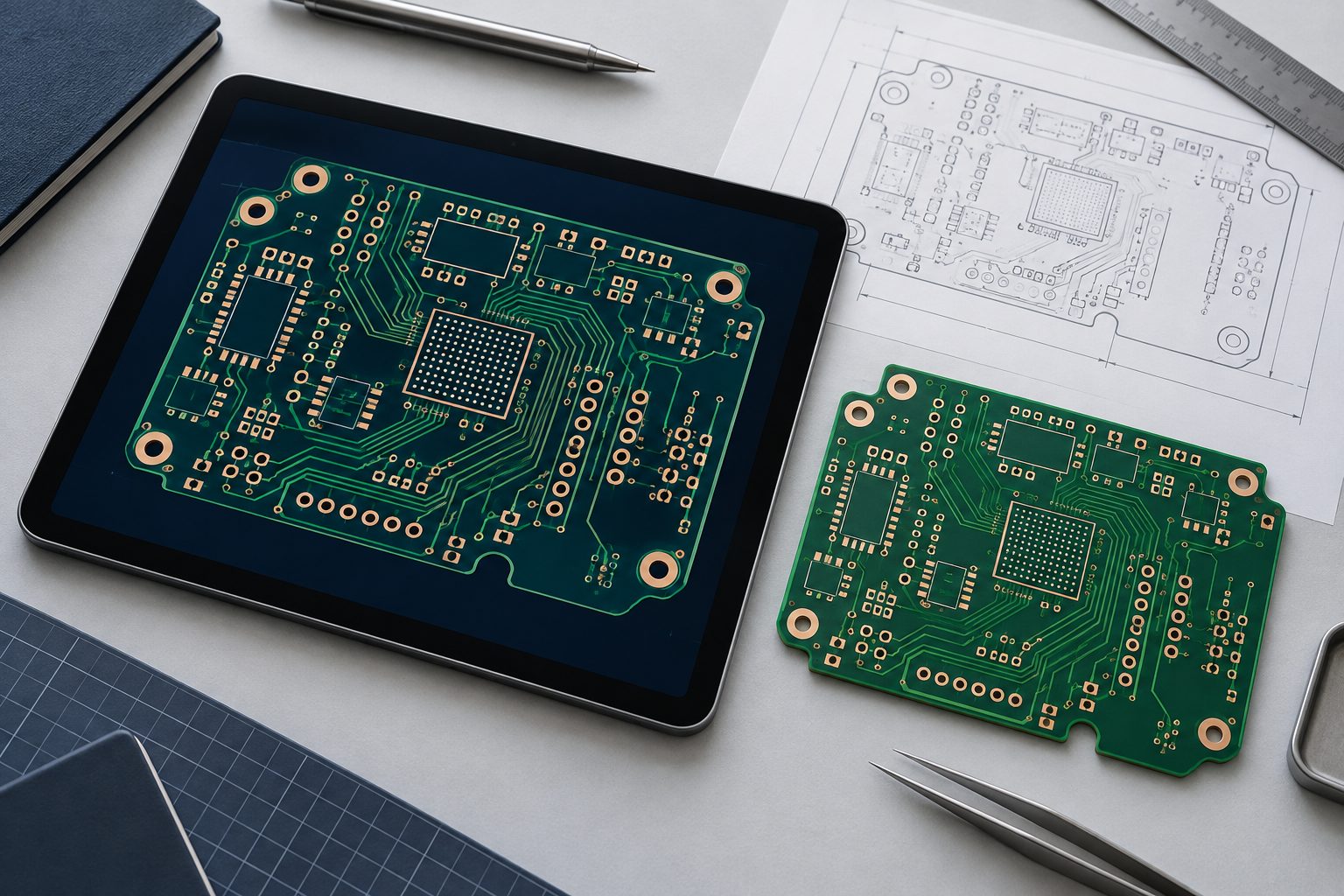
Check the files needed to review your design and prepare a useful quotation.
View required files →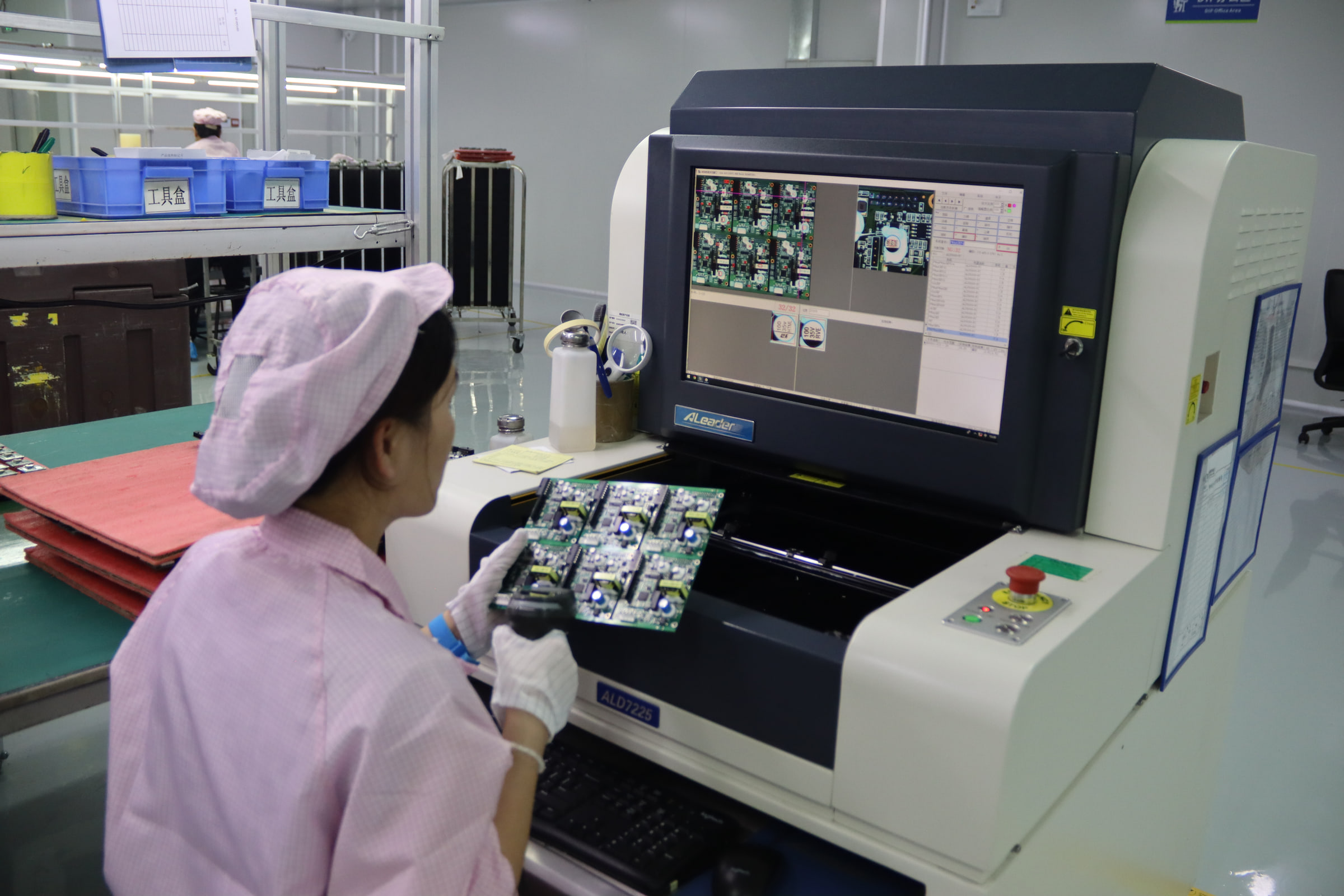
See the production and inspection equipment supporting your assembly.
View equipment →Still have a project question?
Share your files, quantity and target schedule. Our team will help clarify the assembly route and the information needed for quotation.