
China & Thailand PCBA manufacturing support
PCB mounting, connectors and enclosure for DFMA review · concept illustration

Review fabrication and assembly together

DFMA Review with Located Findings and Controlled Decisions

Review fabrication features, component access, process sequence and test provisions together. Return each observation to the affected design feature and agree the response with your engineering team before release.
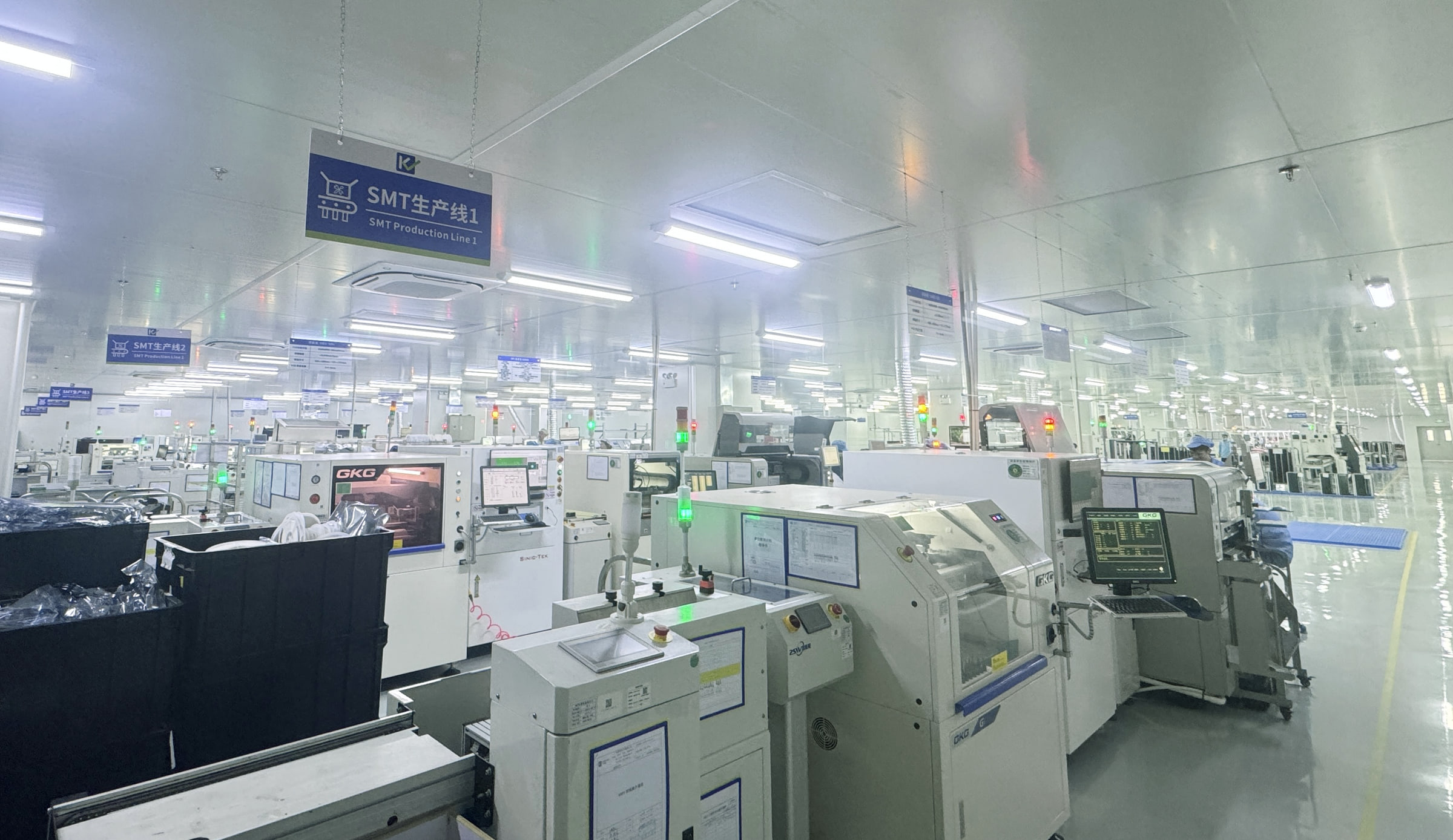
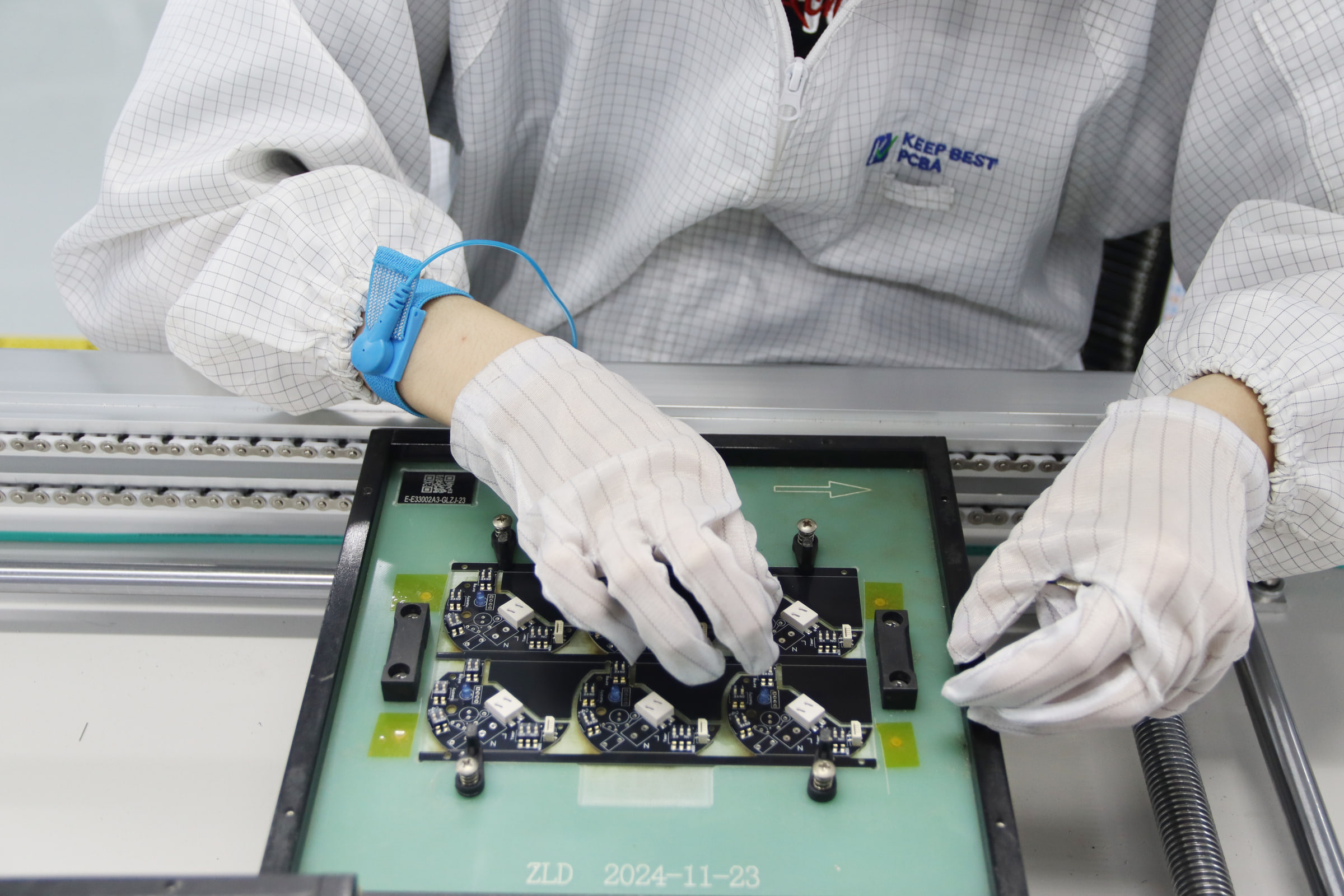
Technical concept illustration

DFM and DFA answer different questions

DFM addresses the manufacturability of the board; DFA addresses how components and subassemblies are put together. Reviewing both helps expose tradeoffs that a bare-board file check can miss.

Located DFMA finding examples · Use these fields to define the requested review. Example entries are illustrative; the order confirms the accepted scope and records.

Compare columns · swipe or scroll on smaller screens

Located finding exampleProduct constraint and optionsDecision owner / released response
DFM · hole and annular-ring featureCompare the fabrication drawing and component lead dataDesign owner clarifies the dimension or approves a matching drawing revision.
DFA · connector blocks test accessKeep mechanical fit while reviewing fixture access or build sequenceDesign / test owner selects an option and records affected files and revision.
DFMA · material / soldering tradeoffReview fabrication choice alongside package thermal limitsAgree analysis scope and the approved response; separate circuit / thermal validation.
Detailed engineering considerations

DFMA looks at how a PCB can be manufactured and how its parts can be assembled into the intended product. KeepBest reviews design, component and process requirements together to identify questions before the release reaches production. The discussion can include board features, assembly access, material choices and test provisions, with proposed changes returned to your engineering team for approval.

Compare columns · swipe or scroll on smaller screens

ReviewMain questionInputs and decisions
DFM · manufacturingCan the board be fabricated as specified?Fabrication data, stackup, holes, copper and material constraints
DFA · assemblyCan the components and subassemblies be put together?Footprints, spacing, polarity, access, mechanics and assembly sequence
Original concept illustration · not a KeepBest facility or customer project photograph

Review fabrication and component access together

A board change can affect soldering or mechanics; assess the tradeoff before approval.

PCB manufacturing review

Examine the fabrication data for board features that need clarification, including copper spacing, annular rings, mask features and edge clearance. Match recommendations to the intended stackup and manufacturing requirements.

Component and assembly access

Review footprints, component spacing, polarity visibility and access for placement or soldering. Mechanical parts and connectors may add assembly constraints that are not obvious from the circuit's electrical behavior.

Process and material tradeoffs

Consider how component choices, panelization and special operations influence the production route. A simpler operation is useful only when the change preserves electrical, mechanical and reliability requirements of the approved product.

Make test access and recommendations actionable

Tie each observation to an affected feature, design owner and released response.

Test access and service needs

Identify opportunities for inspection, programming and electrical or functional checks before layout is frozen. Access, fixture interfaces and measurable acceptance criteria should be discussed with the people responsible for product verification.

Controlled recommendations

Present proposed changes with the manufacturing or assembly reason and affected files. The customer decides whether to revise the design; production should follow the approved revision rather than informal review comments.

Inputs, decisions & outputs

From review boundary to controlled design changes

  1. 01

    Agree the review boundary

    Identify whether the request covers bare-board manufacturability, component assembly or the wider product. Engineering reviews the supplied files and open constraints so recommendations address the intended stage of development.

  2. 02

    Assess board and assembly constraints

    Review relevant fabrication features, component interfaces and assembly access together. Flag questions that require a design decision, a process confirmation or more complete information before the design can be released.

  3. 03

    Discuss practical design options

    Explain proposed changes and the requirements they affect, including testing or product configuration. Compare options with the customer's engineering team before any recommendation changes a controlled design or approved component.

  4. 04

    Confirm the revised release

    Return decisions to the matching fabrication, BOM and assembly documents. The approved revision becomes the build basis; unresolved findings remain visible instead of being treated as closed by the review itself.

Your project

Prepare the DFMA review inputs

Select the items you want to carry into the project brief.

Before release

Questions about DFM and DFA scope

What is the difference between DFM and DFMA?

DFM reviews how the board can be manufactured. DFMA also reviews how parts and subassemblies can be assembled. The broader review considers component interfaces, process sequence and access as well as fabrication features.

Can DFMA guarantee lower product cost?

No fixed saving is promised. Recommendations may reduce avoidable complexity or clarify process requirements, but each change must be assessed against function, qualification and the actual quotation for the proposed design.

What HDI features need particular attention?

Review copper or mask fragments, plane clearances, annular rings and copper near board edges. The actual review also needs the stackup and fabrication requirements; acceptance limits depend on the confirmed process.

Will KeepBest change our design automatically?

Review findings are recommendations and questions for your team. Agree the change approval process and release a revised file set when required. An informal comment should not override controlled design data.

Can we request only a bare-board DFM check?

Yes, use the free DFM service entry and identify the files and questions to review. Broader circuit, thermal, signal-integrity or product redesign work needs a separately confirmed scope.

Review fabrication and assembly together

Prepare your project brief.

Tell us what you are building and what you need reviewed. Include the current revision, quantities and any open questions. The project scope and acceptance criteria are agreed from your requirements.

Review the required files →

Submit your details and files for project review. A saved reference confirms receipt; notification delivery is tracked separately.

Send a project enquiry

* Required
    ZIP, Gerber/drill, CSV, XLSX or PDF · up to 10 files, 10 MB each, 20 MB total.
    Files are stored privately for project review.

    Get A quote

    Fill in your requirement information and upload Gerber and BOM files, we will give you a quote within 24 hours.

    Get A Quote

    Fill in your requirement information and upload Gerber and BOM files, we will give you a quote within 24 hours.