
China & Thailand PCBA manufacturing support
Consumer product, enclosure and circuit board · concept illustration

Compact boards, consistent product experiences

Premium Consumer Electronics PCBA

Review the product, PCBA and enclosure as one released configuration. Prepare compact-construction, RF, alignment, thermal, appearance and firmware requirements so pilot assembly and agreed board-level acceptance can be discussed together.

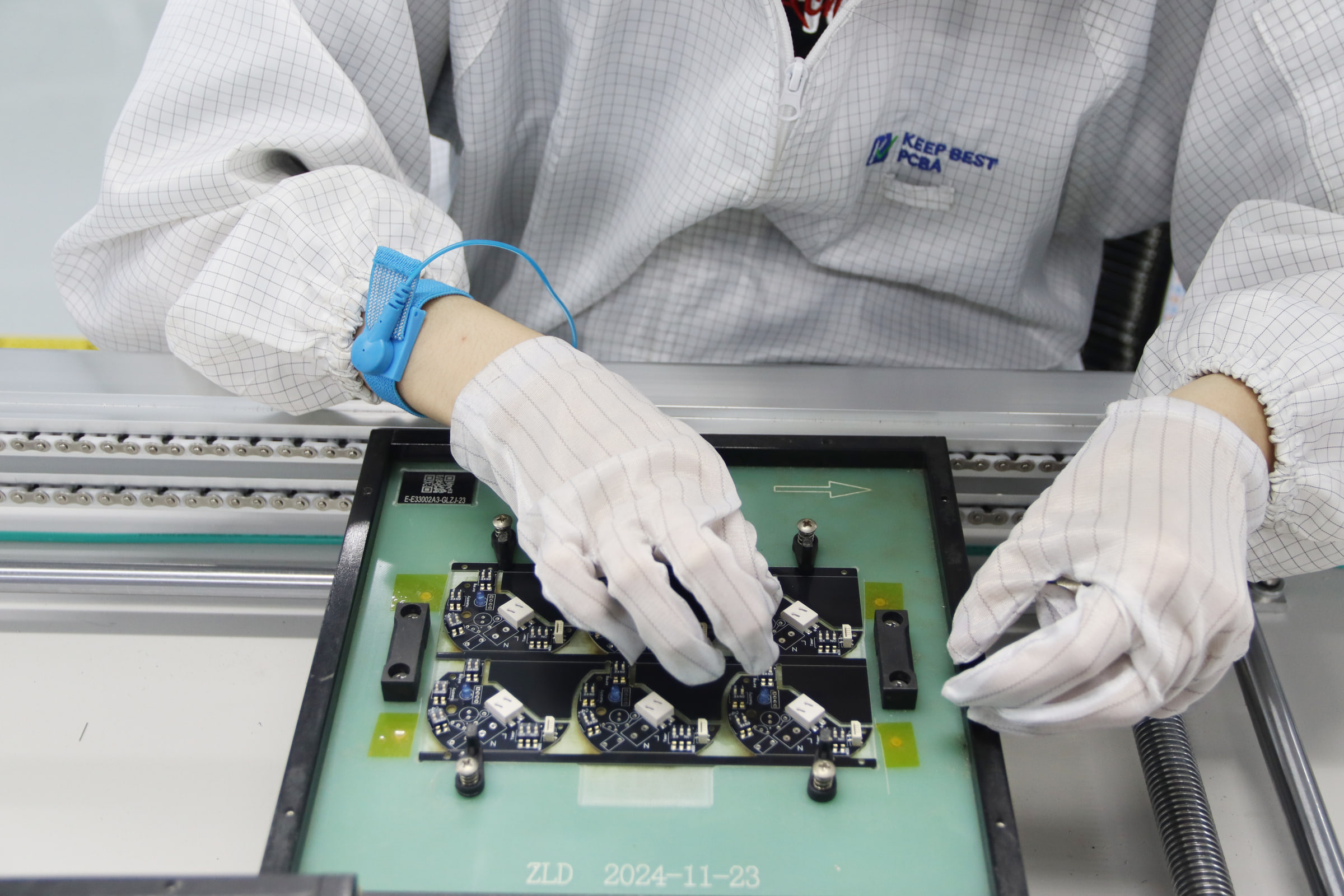
Technical concept illustration

Electronics & product experience

Five functions inside the product

Bring the processing, interaction, RF, media and power requirements into a common released configuration.

Compute and human interaction

Processing and memory

Processors, memory and clocks drive compact high-speed assemblies. Provide stack-up, package data, rail sequencing and heat-transfer details with defined inspection risks and bring-up access for the approved hardware configuration.

Sensing and interaction

Touch, switches, optics, microphones and haptics depend on placement and mechanical fit. Share alignment, references and user-interface limits so handling and functional checks address the actual product design.

Wireless, media and power

Wireless and RF

Antennas, shields and module orientation interact with the enclosure. Provide keep-outs, feed geometry and coexistence requirements with agreed board-level link checks; final radio and EMC validation follows the complete-product scope.

Audio, video and display

Quiet analog paths and fast display or imaging links coexist with digital and switching circuits. Define noise, channel routing, optical alignment, connectors and reference test signals before confirming assembly and functional coverage.

Power and charging

Compact charging and conversion boards need defined startup, sleep, output and temperature behavior. Provide the battery or charging interface, thermal contacts and safe loads with the customer-approved protection and test requirements.

Eight product contexts · board + enclosure

Review product, PCBA and enclosure together.

The product experience depends on the interfaces between the board, housing and software. Define those interfaces before the pilot assembly and acceptance plan are agreed.

Personal, portable and optical products

Headphones and speakers

Compact audio products combine RF, low-noise paths, batteries and acoustics. Define signal references, antenna restrictions, mechanical interfaces and complete-product acoustic validation.

Sports and outdoor devices

Motion sensing, GNSS, wireless links and charging face handling and environmental exposure. Provide enclosure, mounting, current modes and measurement references.

Cameras and optical products

Imaging boards need sensor alignment, fast interfaces, precision connectors and heat paths. Define optical and electrical acceptance with the mechanical assembly data.

Smart grooming and beauty products

Motor, sensing, charging and sealed controls fit compact housings. State the real product function and required electrical, mechanical and qualification inputs.

Comfort, appliances and connected living

Comfort and therapeutic products

Quiet actuators, lighting, sensing and batteries require defined behavior. Any medical function or claim needs its own device context, qualifications and design authority.

Kitchen and beverage appliances

Heaters, pumps, sensing and displays connect to the appliance power design. Provide supply boundaries, approved output loads, thermal interfaces and required product approvals.

Cleaning and air-quality products

Motor control, sensing, navigation and charging combine multiple operating states. Define contamination exposure, mechanical fit and firmware-based functional acceptance.

Smart displays and charging products

Touch, always-on connections and power conversion share the enclosure. Define interface mapping, standby current, charging profiles, display checks and heat paths.

Application context and manufacturing boundaries

Premium consumer products place computing, wireless links, quiet signals and power inside carefully shaped enclosures. The board has to fit the product as well as the manufacturing process. Share the released electrical and mechanical package with KeepBest so fine-pitch assembly, handling, programming and acceptance requirements can be reviewed for audio, imaging, personal-care and connected-product applications.

Pilot assembly → repeat configuration

Construction, fit and defined acceptance

Relate the HDI or flex package to enclosure geometry, handling, thermal paths and the production fixture.

Compact construction and enclosure fit

HDI and fine-pitch review

Via strategy, pad geometry, paste release, panel handling and inspection access depend on the supplied design. Provide construction and package data for review; the product category does not establish a feature-size or package limit.

Rigid-flex and mechanical integration

Define bend zones, stiffeners, connector alignment, mounting and assembly handling. Relate flex drawings to the enclosure and test fixture so pilot evaluation can reveal fit or access problems before the repeat revision is released.

Signals, thermal interfaces and launch consistency

Signal and thermal interfaces

Share RF keep-outs, grounding, shields, sensitive analog paths and switching-power constraints. Include heat spreaders and enclosure contacts in the mechanical package. Validate the complete product under defined acoustic, radio, electrical and thermal conditions.

Programming, identity and production consistency

Provide approved firmware, configuration, identity formats and verification methods. Define current, interface, sensing and user-control limits in the test package. Cosmetic handling and traceability outputs must be agreed against the same released product configuration.

Appearance, fit and handling — proposed project fields

Provide the reference and criteria before judging appearance. These unfilled fields are not a passed sample, yield claim or special certification implied by Premium.

Compare columns · swipe or scroll on smaller screens

Field to agreeProject entry
Visible surface and drawing toleranceTo be supplied or approved for this project
Customer-approved reference sample or standardTo be supplied or approved for this project
Handling, protection film and cosmetic restrictionsTo be supplied or approved for this project
Connector alignment, flex/bend position and test accessTo be supplied or approved for this project
Packaging and transport requirementsTo be supplied or approved for this project
Appearance/fit approval owner and agreed recordTo be supplied or approved for this project

Review enclosure geometry, flex handling and test access · Define enclosure and harness integration scope · Agree board function and appearance acceptance

Scope, records & approval

Release product fit, function and appearance criteria

Customer/design authority supplies limits and approves coverage, deviations and release. The manufacturing team confirms the feasible process, method, fixture and record scope before commitment.

  1. 01

    Connect the product brief

    Identify the product family, user interactions, enclosure and board functions. Bring electrical, RF, optical and mechanical requirements into the same package before reviewing the assembly route and quotation assumptions.

    Proposed for approval: Product/board/enclosure requirements and open RF, optical and mechanical questions.

  2. 02

    Review compact assembly details

    Check packages, flex handling, micro-connectors, shields, materials and test access against the released drawings. Agree moisture handling, appearance restrictions and inspection requirements before the pilot assembly is planned.

    Proposed for approval: Proposed compact/flex handling, test access and appearance-reference scope.

  3. 03

    Evaluate function and fit

    Use customer-defined firmware, fixtures and limits to review power, interaction and interface behavior. Check the specified mechanical and appearance criteria, then approve changes before the repeat-production configuration is released.

    Proposed for approval: Customer-approved function, fit and visible-surface pilot criteria/findings.

  4. 04

    Control the launch configuration

    Freeze approved board, BOM, firmware and test revisions together. Agree serialization, traceability output, handling and packaging so the delivered assemblies correspond to the accepted product configuration.

    Proposed for approval: Accepted PCB/BOM/firmware/test configuration, identity, handling and packaging records.

Your project

Prepare a product-assembly brief

Select the items you want to carry into the project brief.

Before release

Consumer-product construction, fit and acceptance

How should rigid-flex or HDI construction be quoted?

Provide the controlled fabrication package, stack-up, flex geometry, stiffeners, bend restrictions and panel drawings. The construction and supplier route need review before a manufacturing proposal is confirmed.

Can appearance and cosmetic handling be specified?

Identify visible surfaces, connectors, shields, protective films, cleaning restrictions and packaging in the approved drawings. Provide measurable acceptance criteria and handling points.

How are audio, RF or high-speed functions checked?

Provide methods, fixtures, golden references, commands and limits. Board-level coverage is agreed from those inputs; product acoustics, radio, EMC and regulatory validation remain part of the complete-product plan.

What should be ready before repeat production?

Release the accepted board, BOM, firmware, configuration and test revisions. Approve pilot findings and part substitutions, then define the required records and packaging.

Compact boards, consistent product experiences

Prepare your project brief.

Tell us what you are building and what you need reviewed. Include the current revision, quantities and any open questions. The project scope and acceptance criteria are agreed from your requirements.

Review the required files →

Submit your details and files for project review. A saved reference confirms receipt; notification delivery is tracked separately.

Send a project enquiry

* Required
    ZIP, Gerber/drill, CSV, XLSX or PDF · up to 10 files, 10 MB each, 20 MB total.
    Files are stored privately for project review.

    Get A Quote

    Fill in your requirement information and upload Gerber and BOM files, we will give you a quote within 24 hours.

    Get A quote

    Fill in your requirement information and upload Gerber and BOM files, we will give you a quote within 24 hours.