
SMT, PCB, PCBA, and DIP represent four core terms in electronics manufacturing, standing for Surface Mount Technology, Printed Circuit Board, Printed Circuit Board Assembly, and Dual In-line Package respectively. This article systematically analyzes their technical essence, process characteristics, and collaborative relationships, revealing the complete technological chain from substrate to finished product in electronics manufacturing.
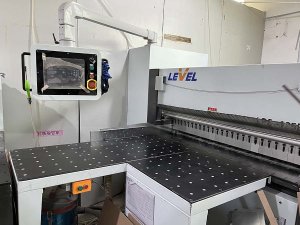
1.PCB: The Nervous System of Electronic Products
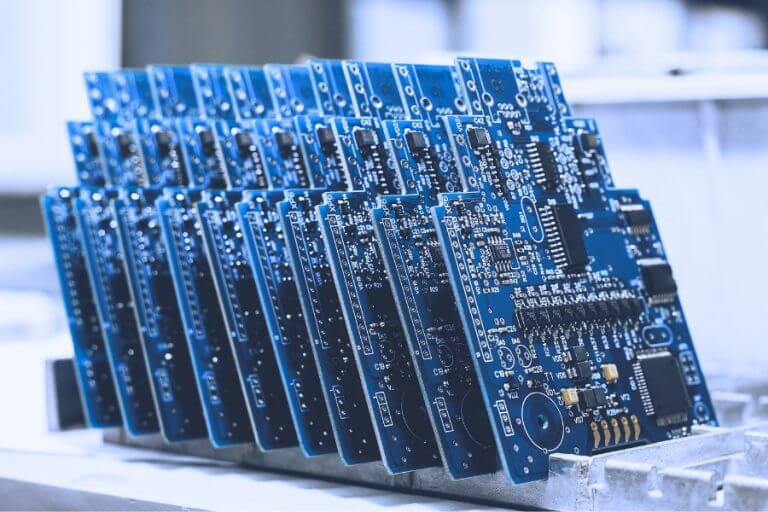
PCB, or Printed Circuit Board, serves as the physical carrier and electrical connection foundation for electronic devices. Through precision processes like etching and electroplating, a network of conductive traces is formed on an insulating substrate, providing mechanical support and signal transmission pathways for electronic components.
The technological evolution of PCBs drives continuous upgrades in electronic products. Layer counts have advanced from single-layer to high-density interconnect structures with dozens of layers, while form factors have expanded from rigid boards to flexible boards, rigid-flex boards, and even three-dimensional 3D packaging substrates. These advancements directly determine the compactness of electronic product layouts, signal transmission efficiency, reliability levels, and cost control potential, propelling the industry toward smaller sizes, faster speeds, and enhanced performance.
2.SMT: The Surface Mount Technology Revolution
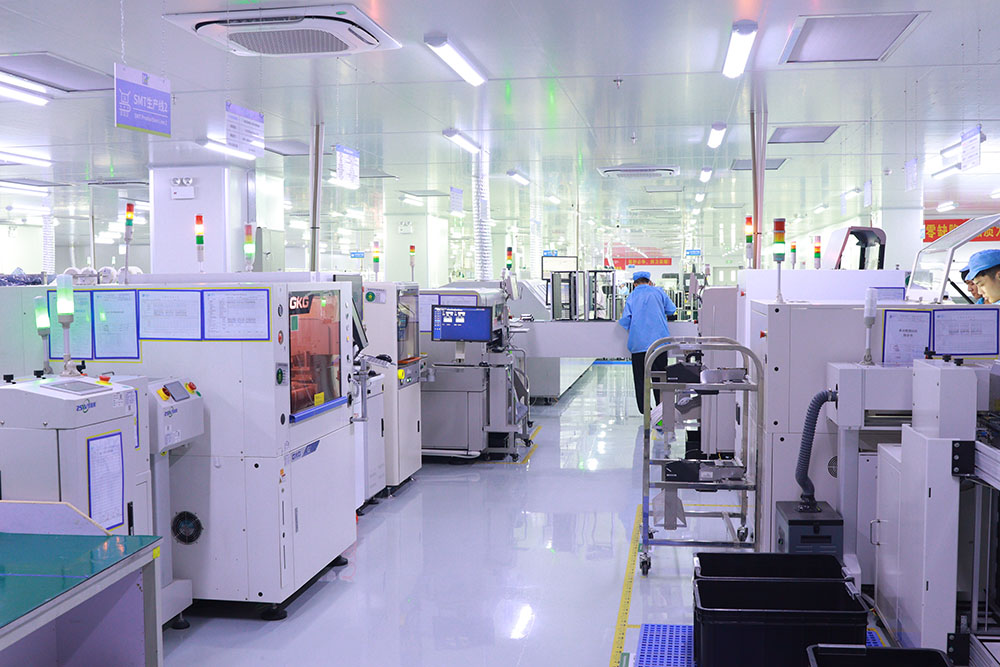
SMT (Surface Mount Technology) is an advanced process where electronic components are directly mounted onto the PCB surface and electrically connected via reflow soldering. Compared to traditional through-hole technology, SMT offers significant advantages: miniaturized component size, lighter product weight, accelerated production efficiency, and enhanced connection reliability.
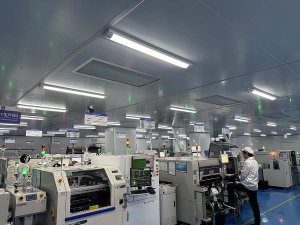
Technological trends accelerate SMT adoption. Electronic component packaging has evolved from 1206 and 0805 to ultra-miniature specifications like 0402, 0201, and 01005, with continuously increasing integration. SMT has become the mainstream choice for PCBA processing, widely applied across nearly all modern electronic product domains—smartphones, computers, automotive electronics, medical devices, communication base stations—serving as a core manufacturing process in the digital era.
3.PCBA: The Transformation from Components to Products
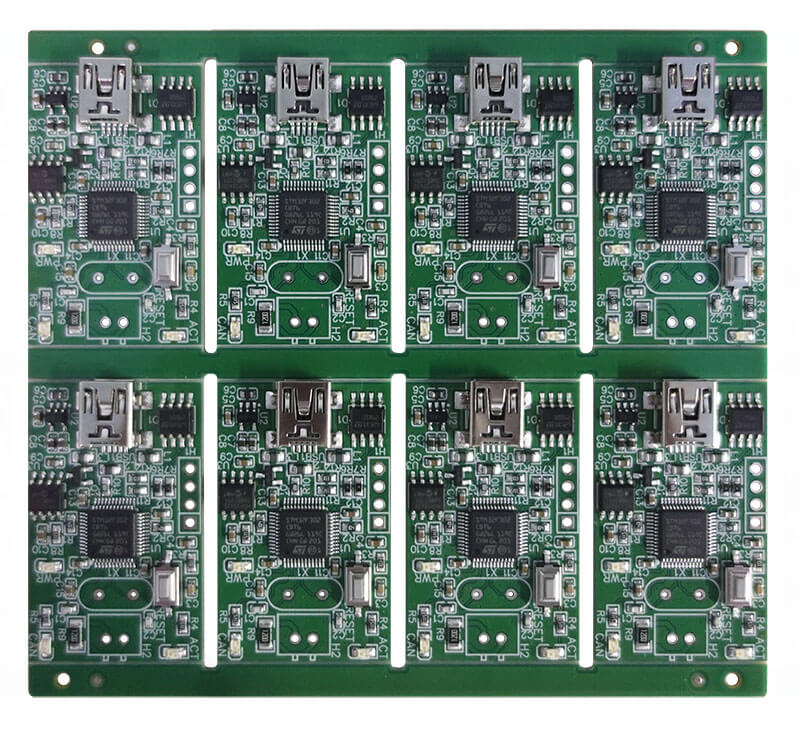
PCBA, or Printed Circuit Board Assembly, refers to the process of integrating bare PCBs with various electronic components through assembly techniques like SMT and DIP to form fully functional circuit board assemblies. This stage represents the critical transition from design blueprints to mass production delivery for electronic products.
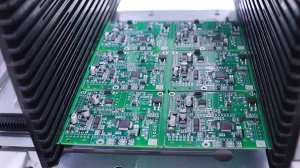
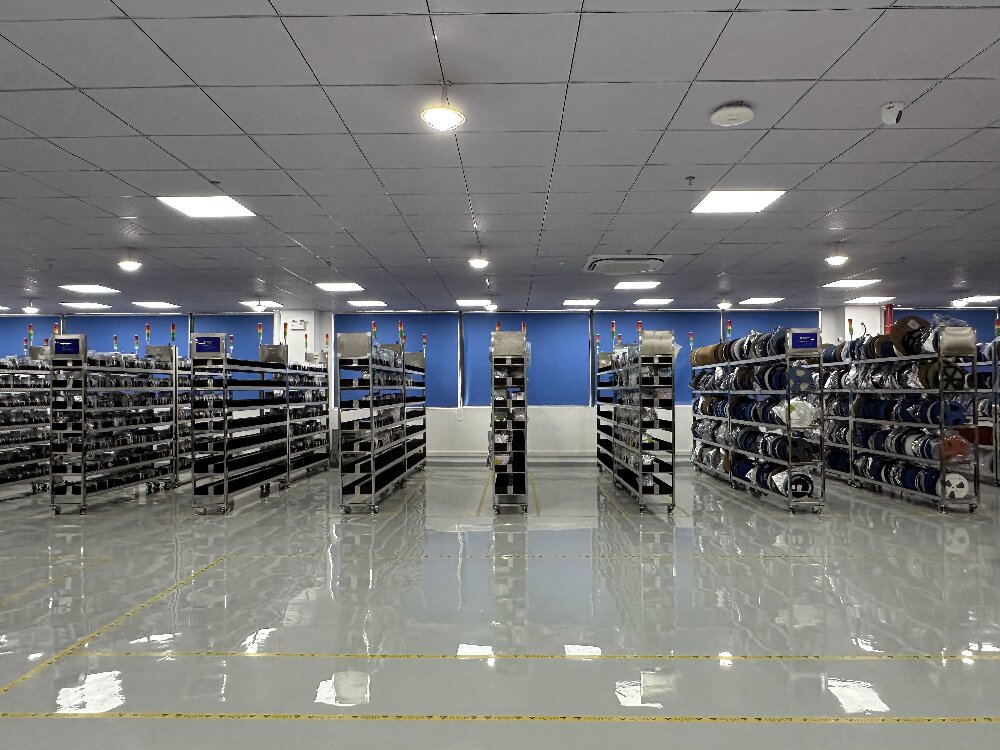
PCBA manufacturing demands comprehensive capabilities. Process proficiency determines placement accuracy and soldering quality, quality control ensures product consistency and reliability, while supply chain management efficiency impacts delivery cycles and cost structures. The quality of PCBA directly influences the final product’s performance, user experience, and market competitiveness. Consequently, manufacturers continuously increase R&D investment to achieve breakthroughs in precision, speed, and cost efficiency.
4.DIP: Where Tradition Meets Modernity
DIP, or Dual In-line Package, is a traditional technology where component leads are inserted into PCB through-holes and secured via wave soldering or manual soldering. Despite SMT’s dominance, DIP retains irreplaceable value in specific scenarios.
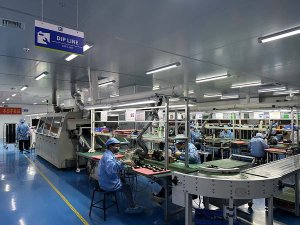
DIP’s core advantages manifest in three areas:High-power devices like power modules and power relays require through-holes for enhanced mechanical fixation and current-carrying capacity. In high-reliability applications like industrial control and aerospace, through-hole connections offer superior vibration resistance. For thermal management, DIP pins conduct heat directly from the internal chip, and combined with large solder pads, effectively reduce thermal resistance.
Modern DIP processes continue to evolve. Automated insertion machines boost placement efficiency, selective wave soldering enables precise connections, and process optimizations integrate traditional techniques with smart manufacturing demands.
5.Synergistic Relationship Among Four Core Technologies
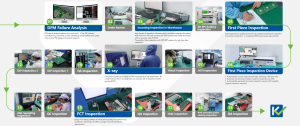
PCB provides the physical platform, SMT enables high-density integration, PCBA completes system assembly, and DIP addresses specialized application requirements. Together, they form a comprehensive electronics manufacturing technology ecosystem: PCB design establishes the foundation for electrical performance, SMT processes achieve miniaturized layouts, PCBA integrates and verifies functional integrity, while DIP ensures reliability under extreme conditions. This technological synergy drives the continuous evolution of electronic products toward high performance, low cost, and environmental sustainability.
6.Conclusion
The four key technologies—SMT, PCB, PCBA, and DIP—embody the accumulated expertise and innovative momentum of the electronics manufacturing industry. Interdependent and iteratively upgraded, they collectively shape the technological future of electronic products. With the rise of emerging industries like 5G communications, artificial intelligence, and new energy vehicles, electronics manufacturing technologies will continue to advance, providing robust hardware foundations for the digital and intelligent era.