
Leaded and lead-free processes differ fundamentally in six key areas: solder composition, soldering temperature, reliability performance, environmental certification, cost structure and testing standards. This article systematically compares the two PCBA manufacturing technologies to provide engineers with a basis for decision-making.
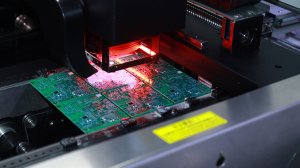
1.Differences in Solder Alloy Composition
Leaded processes utilise traditional tin-lead alloys, with a lead content of approximately 37%. Lead-free processes employ environmentally friendly alloys such as tin-silver-copper, which comply with RoHS directives and limit lead content to below 0.1%. These compositional differences directly affect melting point, wettability and mechanical properties.
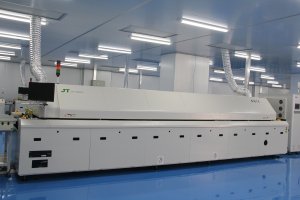
2.Comparison of Soldering Temperature Parameters
Lead-free processes require an increase in soldering temperature of 30 to 40 degrees Celsius, with a peak of approximately 250 degrees Celsius. This rise in temperature places higher demands on equipment temperature control systems, component temperature resistance ratings and substrate thermal stability, necessitating a reassessment of the process window.
3. Differences in Process Reliability Performance
In terms of wettability, leaded solder offers superior flow, reducing the defect rate by approximately 15%. In terms of mechanical strength, lead-free solder joints exhibit higher hardness but slightly lower toughness; professional testing equipment is required to assess long-term reliability. Regarding electrical conductivity, both meet the requirements of standard electronic products, with no significant differences.

4.How do environmental certification requirements differ?
Lead-free processes comply with international environmental certifications such as RoHS and REACH, making them particularly suitable for consumer electronics exported to the EU, PCBA processing for medical devices, and automotive electronics manufacturing. Lead-based processes may still be used in certain industrial equipment and specialised fields, but the end-use scenarios must be clearly defined and comply with local regulations.
5.How to analyse cost composition
The overall cost of lead-free processes is approximately 20% to 30% higher, primarily due to three factors. Solder prices have risen by over 50%, and the raw material costs of tin-silver-copper alloys are significantly higher than those of tin-lead alloys. Equipment upgrade and maintenance costs have increased, as high-temperature-resistant materials and nitrogen shielding systems are required. Process validation and testing costs have risen, as reliability assessments for lead-free solder joints are more complex.
6.How to Differentiate Testing Standards
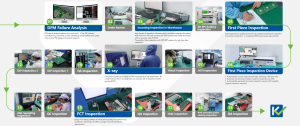
Implement differentiated testing schemes for different processes. Lead-based processes focus on visual inspection of solder joints, where good wetting facilitates easy visual assessment. Lead-free processes incorporate X-ray inspection and ICT probe testing to address high-density packaging and hidden solder joints. Both share AOI optical inspection systems as a baseline screening method.
7.How to Select the Appropriate Process
Lead-free processes are the preferred choice for consumer electronics to comply with global environmental regulations and market access requirements. High-reliability industrial equipment requires process validation to assess the long-term performance of lead-free solder joints. Hybrid processes require particular attention to temperature profile settings to avoid reliability risks arising from the mixed use of leaded and lead-free components.
Conclusion
Lead-free and leaded processes each have their own technical characteristics and suitable applications. Lead-free processes represent an environmental trend and are the inevitable choice for export products, whilst leaded processes still hold value in specific sectors. Engineers must comprehensively consider product positioning, target markets, cost budgets and reliability requirements to make the optimal technical decision.