
There are six major hidden pitfalls in SMT assembly: neglecting process validation, lax material management, improper use of equipment, a one-size-fits-all approach to oven temperature profiles, underestimating the importance of ESD protection, and over-reliance on manual labour. This article highlights the risks associated with these bad practices and offers scientific solutions to help businesses mitigate production risks and improve product quality.
1.How Neglecting Process Validation Leads to Small Savings but Big Losses
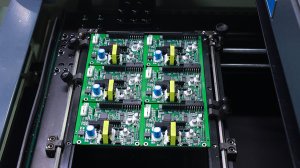
Skipping validation steps such as first-article inspection and stencil test printing and proceeding directly to mass production can result in batch deviations and cold solder joints, causing rework costs to skyrocket by a factor of ten or more. The correct approach is to implement a three-tier validation system, with rigorous checks at every stage—including 100% first-article inspection, SPI solder paste inspection, and pre-reflow visual inspection—to eliminate process anomalies at source.

2.How Lax Material Management Can Destroy Yield Rates
Storing moisture-sensitive components without classification and ignoring material shelf life can lead to IC chip oxidation and solder paste degradation, triggering cold solder joints across the batch. The scientific solution is to equip a constant temperature and humidity warehouse, maintaining a temperature of 25°C ±2°C and humidity below 10%. MSD components should be vacuum-packed with full traceability, and expired materials must be scrapped in their entirety.
3. How Non-Compliant Equipment Use Leads to Slow Self-Destruction
Failure to calibrate SMT pick-and-place nozzles regularly, neglecting reflow oven chamber cleaning, and operating equipment beyond capacity without adhering to maintenance schedules can cause equipment accuracy to decline by 40% within three months. The professional solution is to implement standardised maintenance, including daily inspections and calibrations, and weekly deep maintenance, ensuring the pick-and-place machine’s accuracy is maintained within ±0.025 mm to guarantee long-term stability.
4.How a One-Size-Fits-All Temperature Profile Can Lead to Disaster
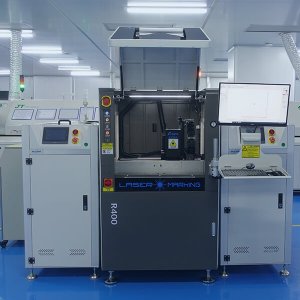
Applying the same temperature profile to boards of varying thicknesses can cause delamination, BGA solder joint defects and yellowing of LED chips. The solution involves real-time monitoring of component thermal capacity differences to intelligently generate an optimal temperature profile, which can improve yield by 23% compared to traditional processes.
5.How Neglecting ESD Protection Leads to Catastrophic Losses
Improper grounding once caused a batch of MOSFETs to break down at a client’s site, resulting in losses exceeding 500,000 yuan. Mandatory ESD management includes installing anti-static flooring throughout the workshop combined with automatic humidity control, requiring operators to wear wireless wrist straps and anti-static clothing, and transporting sensitive components in shielded containers.

6.How Over-Reliance on Manual Labour Creates Hidden Risks
Human errors such as missed defects during visual inspection, scrap caused by loose feeder clamps, and incorrect coordinate input during programming occur frequently. Intelligent upgrades require the deployment of AOI inspection equipment integrated with an MES system to enable 3D solder joint modelling analysis and automatic data verification. This improves efficiency by fivefold compared to manual inspection and reduces the false rejection rate by 90%.

Conclusion
The six ‘hidden killers’ in SMT assembly may appear minor, but their destructive potential is immense. By establishing six key systems—three-tier verification, scientific materials management, standardised equipment maintenance, intelligent oven temperature control, strict electrostatic protection, and automated inspection—it is possible to systematically eliminate poor operational practices, thereby significantly enhancing product reliability and production efficiency.