

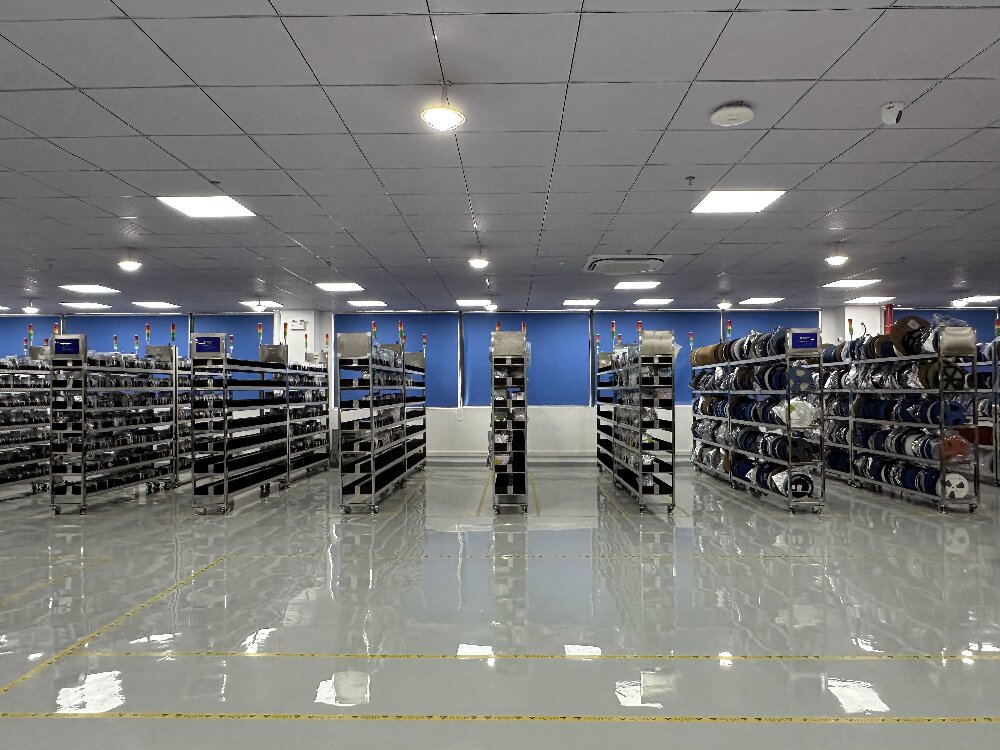
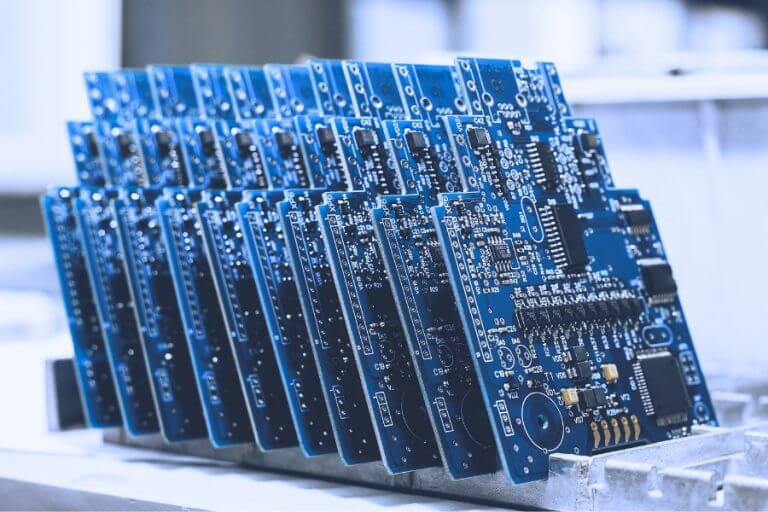
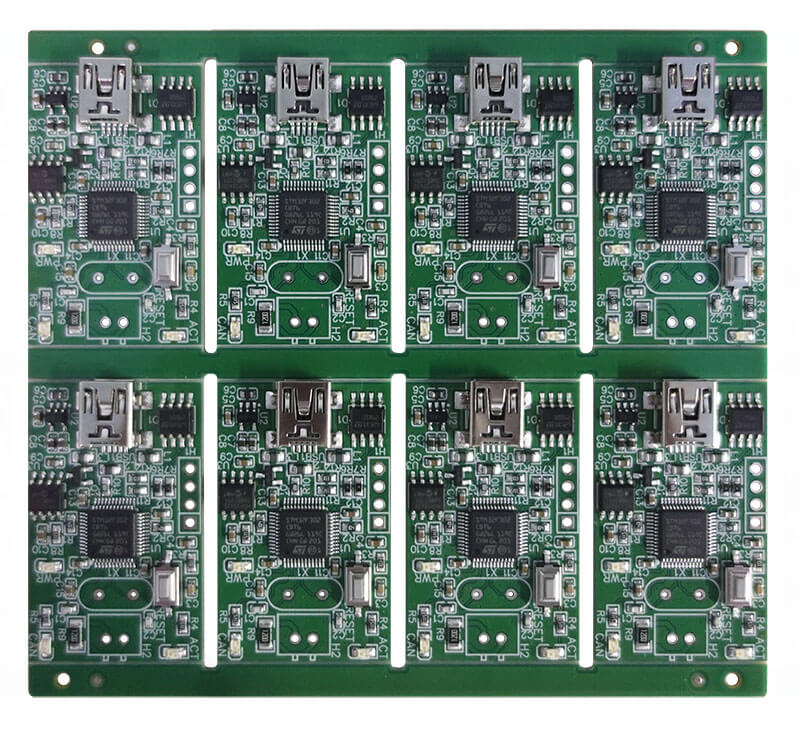
PCBA contract manufacturing is a critical process for assembling components onto printed circuit boards, and its quality directly impacts the performance and reliability of electronic products. This article analyzes the five major processes—raw material preparation, SMT placement, soldering, inspection and testing, and assembly and packaging—as well as the five key quality standards: component selection, soldering techniques, inspection procedures, process documentation, and electrostatic protection.
1.Raw Material Preparation
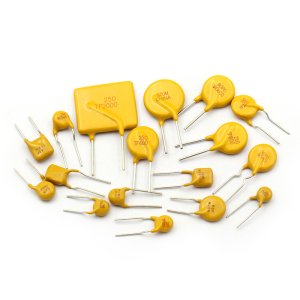
The procurement of PCBs and components forms the foundation of product performance. Materials must comply with industry standards, such as the IPC-A-600 PCB quality standard.
Incoming Quality Control (IQC) conducts comprehensive inspections of components, verifying dimensions, markings, and electrical performance to prevent production quality issues caused by material defects.
2.SMT Placement Process
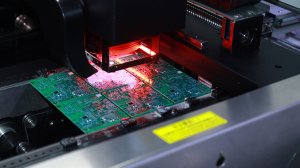
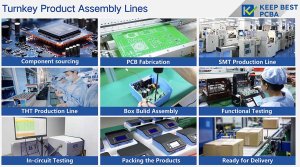
Solder paste printing uses a precision steel stencil to evenly apply solder paste to the pads; the thickness and uniformity of the solder paste are critical to successful soldering.
SMT placement uses high-speed placement machines to precisely mount components onto pads; this precision directly impacts soldering quality.
3.Soldering Process
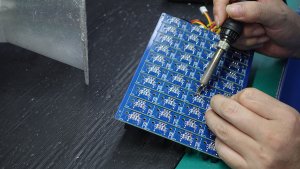
Reflow soldering controls the temperature profile to ensure solder joints form reliable mechanical connections and electrical contacts.
Wave soldering is used for through-hole components, requiring lead-free solder and uniform solder joints.
4.Inspection and Testing
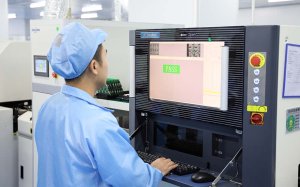
AOI (Automated Optical Inspection) checks solder joint quality, component polarity, and correct positioning.
ICT (In-Circuit Testing) evaluates circuit performance to ensure there are no open circuits, short circuits, or other issues.
FCT (Functional Testing) simulates actual operating conditions to verify that product functions are normal.
5.Assembly and Packaging
After soldering is complete, the PCBA is assembled with other components, undergoes final testing, and is packaged in protective packaging to ensure the integrity of the delivered product.
6.Component Selection Quality Standards
Regarding compliance, all components must meet environmental regulations such as RoHS and REACH.
Regarding consistency, components procured in bulk must exhibit uniform electrical performance to prevent batch-to-batch variations from affecting product performance.
7. Soldering Technical Standards
Solder joint quality requires joints to be uniform and smooth, free of voids, cracks, or excess solder, and compliant with Class 2 or Class 3 requirements of the IPC-A-610 standard.
Temperature control requires precise setting of the reflow soldering temperature profile to prevent over-soldering or poor soldering.
8.Testing Process Standards
End-to-end testing utilizes AOI and X-ray inspection to detect internal defects in solder joints, and ICT and FCT testing to verify circuit performance and functionality.
Regarding failure analysis, if issues are identified, failure analysis must be conducted to quickly pinpoint and resolve the cause.
9.Process Documentation Management Standards
A complete BOM, Gerber files, and process flowchart must be established for each product to ensure production traceability.

10.ESD Protection Standards
The workshop environment must comply with the ANSI/ESD S20.20 electrostatic discharge protection standard to prevent damage to components caused by static electricity.
Conclusion
Quality control in PCBA contract manufacturing spans the entire process from raw materials to final product delivery. Strict adherence to international standards such as IPC, RoHS, and ESD, along with the establishment of a comprehensive inspection system and document traceability mechanism, is the fundamental guarantee for ensuring reliable product performance and gaining a competitive edge in the market.