
The surge in the defect rate in PCBA contract manufacturing is often attributable to five underlying causes: design flaws, material quality issues, manufacturing errors, ageing equipment and inadequate maintenance, and environmental factors. This article provides a systematic analysis of the proportion of each factor and their specific manifestations, helping companies pinpoint the root causes of problems and systematically reduce defect rates.
1.Factors Related to Unreasonable Design
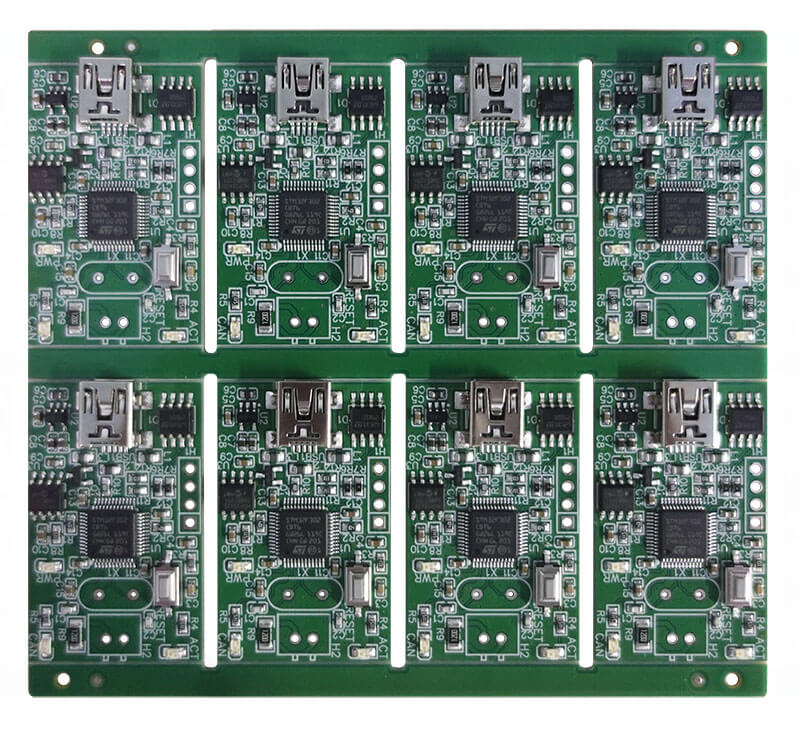
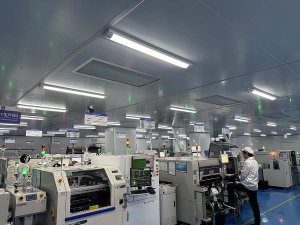
Design is the first step in the PCBA production process, and unreasonable design often leads to defects in subsequent manufacturing stages. Improper routing, an excessive number of vias, or overly dense component placement can all cause soldering defects or electrical instability. In some cases, failure to consider heat dissipation and electromagnetic interference (EMI) issues during the design phase results in the finished product malfunctioning during actual use. Research data indicates that approximately 20% to 30% of PCBA defects can be traced back to design flaws.

2.Factors Related to Material Quality
The choice of materials has a direct impact on PCBA quality. The use of substandard components or those that do not meet specifications may result in poor solder joints, component failure or even premature product scrapping. The use of low-quality PCB substrate materials can lead to issues such as warping, delamination or poor electrical conductivity. Counterfeit and refurbished components are also common in the market, which significantly compromises the reliability and consistency of the components.
3. Factors Related to Manufacturing Operational Errors
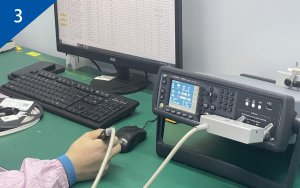
Operational errors during production are one of the major causes of defective PCBA units. These include soldering process issues such as inappropriate soldering temperatures, excessive or insufficient solder paste application, assembly misalignment and cold solder joints. Improper handling may also result in excessive mechanical stress, damaging fragile chips and components. In the reflow soldering process, unstable temperature profiles or excessively rapid cooling rates can cause solder joint cracking and component displacement.
4.Factors Related to Equipment Ageing and Inadequate Maintenance
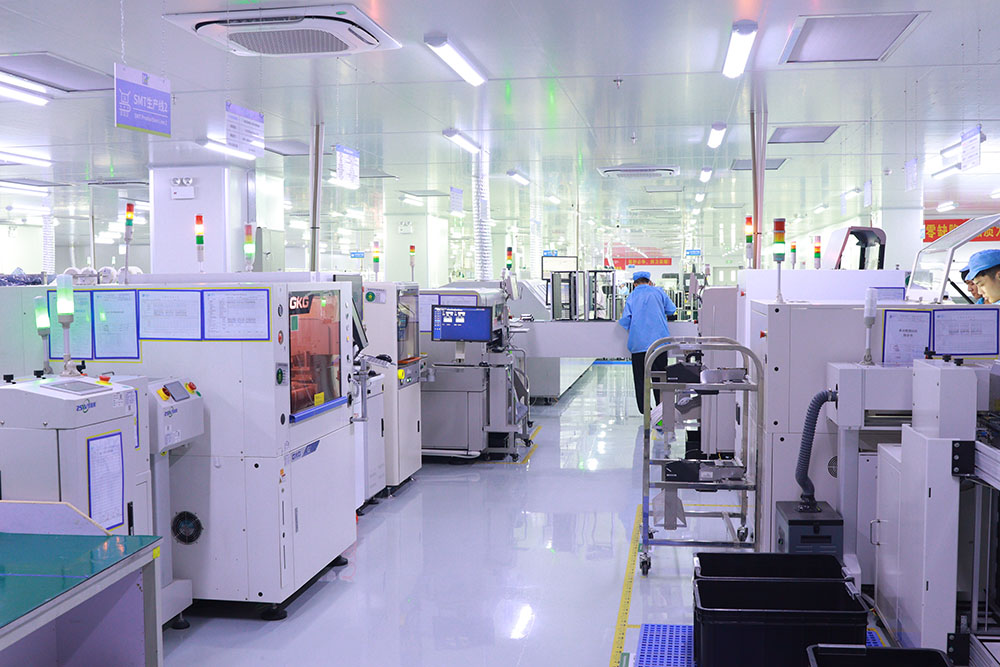
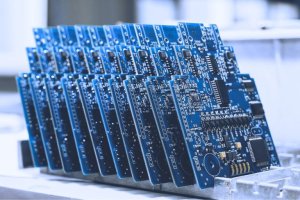
The condition of equipment also affects product yield. Outdated or poorly maintained equipment can lead to issues such as inconsistent soldering quality and inaccurate component placement. A decline in the precision of the solder paste printer or wear on the pick-and-place machine’s nozzles will both increase the defect rate.
5.Environmental Factors
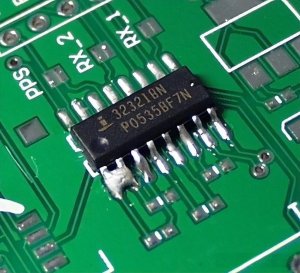
Factors in the production environment such as temperature, humidity and air cleanliness also affect PCBA product quality. In high-humidity environments, components and PCBs are more prone to absorbing moisture, leading to bubbles or delamination during soldering. Dust and contaminants that are not promptly removed can also affect soldering results and electrical performance.
Conclusion
The surge in PCBA contract manufacturing defect rates is not attributable to a single factor, but rather the cumulative result of five interrelated factors: design, materials, operations, equipment and the environment. Companies must establish an end-to-end quality traceability system and take systematic action across five key areas—DFM design reviews, supplier qualification, process standardisation, preventive equipment maintenance and environmental monitoring—to fundamentally curb the rise in defect rates and ensure product reliability and customer satisfaction.