
What factors influence the temperature resistance of PCBA materials?
The temperature resistance of PCBA materials directly impacts the reliability of electronic products during the soldering process and in actual operating environments. This article analyses the temperature resistance characteristics of three commonly used materials—FR-4, aluminium substrates and ceramic substrates—examines the three key influencing factors of soldering processes, operating environments and product design, and provides recommendations for material selection in different application scenarios.
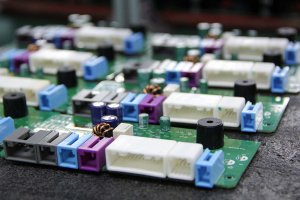
1.FR-4 Epoxy Glass Fibre Laminate
FR-4 is the most common PCB substrate, offering good mechanical strength, electrical insulation properties and high thermal resistance. Its temperature resistance ranges from 120°C to 180°C, as measured by the glass transition temperature (TG). Depending on application requirements, TG values are typically categorised into three types: standard (130°C), medium-high (150°C) and high-TG (170°C and above). FR-4 offers excellent value for money and is suitable for most consumer electronics and general-purpose electronic devices.
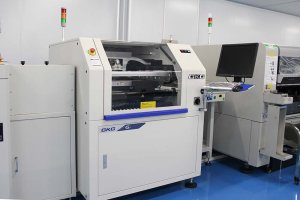
2.Aluminium Substrates
Aluminium substrates have a long-term operating temperature range of 150°C to 200°C. Their structure typically consists of an aluminium base layer, a thermally conductive insulating layer and copper foil. Due to their excellent thermal conductivity, they are widely used in equipment requiring heat dissipation, such as LED lighting and power supply modules. Capable of effectively dissipating heat and extending the service life of equipment, they are an ideal choice for power-dense products.
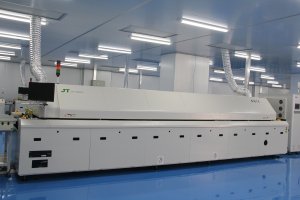
3. Ceramic Substrates
Ceramic substrates have a long-term operating temperature range exceeding 300°C, offering extremely high thermal stability and thermal conductivity. Materials primarily include aluminium oxide and aluminium nitride, and they are commonly used in high-power electronic devices and aerospace equipment. Capable of maintaining stable performance in extreme temperature environments, they are the substrate of choice for high-reliability applications.
4.Impact of Soldering Processes
Peak temperatures during reflow and wave soldering typically range between 200°C and 260°C, placing high demands on the thermal stability of PCB materials. During soldering, materials must withstand brief high-temperature shocks; an insufficient Tg value can cause the substrate to soften and deform, affecting solder joint quality and long-term reliability.
5.Impact of Operating Environment
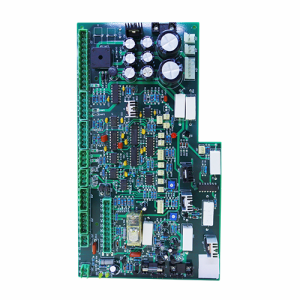
Ambient temperature and heat dissipation conditions directly affect the performance of PCBA boards. Prolonged operation in high-temperature environments accelerates material ageing, whilst poor heat dissipation leads to localised heat accumulation, which may trigger failures such as delamination, blistering or copper foil peeling.
6.Impact of Product Design
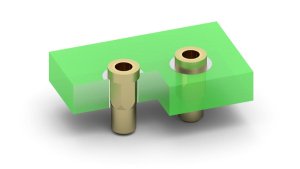
Factors such as PCB thickness and copper foil weight influence the material’s thermal management capabilities. Thicker boards have greater thermal capacity but longer heat dissipation paths, whilst heavier copper foil offers superior electrical and thermal conductivity but is more difficult to process. During the design phase, a comprehensive assessment of thermal load distribution and heat dissipation paths is required.
7. Recommendations for Material Selection
In the consumer electronics sector, FR-4 material is recommended for its cost-effectiveness and ability to meet the requirements of most consumer electronic products. In industrial control and power management applications, aluminium substrates are more suitable for power-dense products due to their significant thermal dissipation advantages. For high-reliability applications such as aerospace and military equipment, ceramic substrates are the optimal choice for high-performance and extreme environments.
Conclusion
The temperature resistance of PCBA materials is a fundamental indicator for ensuring product reliability. Only by understanding the temperature limits of different substrates and analysing the influencing factors of soldering processes, operating environments and product design can one make scientifically sound material selection decisions and avoid premature failure caused by insufficient temperature resistance.