
The quality of PCBA circuit boards directly impacts the performance and reliability of the end product. This article analyzes six major process flows: circuit board design and fabrication, component procurement and inspection, SMT placement, DIP insertion, PCBA testing, and final assembly and packaging. It also provides an in-depth explanation of five key testing methods—ICT, FCT, AOI, X-ray, and environmental reliability testing—and their core value.
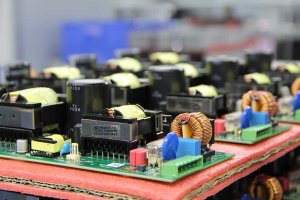
1.Circuit Board Design and Fabrication
Circuit board design marks the starting point of the entire production process. The design team must create circuit designs based on product requirements and generate Gerber files that meet manufacturing specifications. Subsequently, the PCB manufacturer completes board fabrication according to these specifications—including processes such as copper plating, etching, and drilling—to ensure the PCB has the appropriate number of layers and circuit layout.
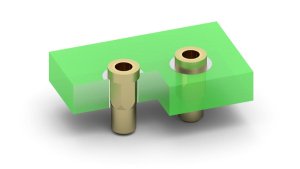
2.Component Procurement and Inspection
Component quality directly impacts the final performance of the PCBA. Selecting high-quality suppliers and conducting rigorous inspections—such as functional testing and visual inspections—are critical steps in ensuring product quality.
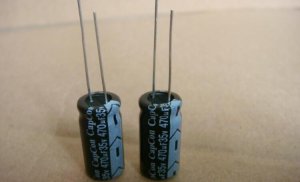
3. SMT Assembly
SMT (Surface Mount Technology) uses placement machines to precisely mount surface-mount components onto the PCB. This step requires high-precision equipment and strict process control to prevent solder joint defects such as cold solder joints and bridging.
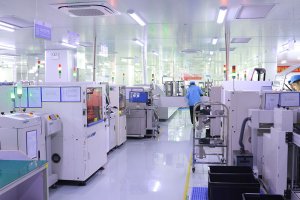
4.DIP Assembly Process
For components that cannot be surface-mounted, the DIP (Dual In-Line Package) process is used, where components are inserted into PCB through-holes and then wave-soldered. This method ensures the secure mounting of larger or special components.

5.PCBA Testing
The testing phase is the core of the entire process and directly determines whether the product meets design requirements. Through comprehensive electrical and functional testing, potential issues can be identified promptly, ensuring the delivered PCBA is highly reliable.
6.Final Assembly and Packaging
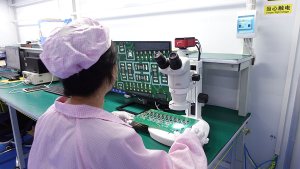
After all testing is complete, the PCBA is assembled into the final product, followed by visual inspection and functional verification. The product is then packaged to ensure it is safe and reliable when delivered to the customer.
7. In-Circuit Testing (ICT)
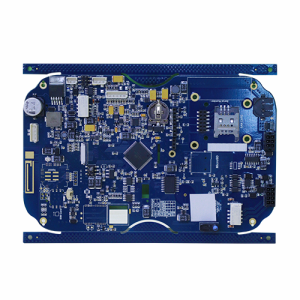
ICT uses probes to contact test points on the PCB, measuring parameters such as open circuits, short circuits, resistance, capacitance, and inductance. This method quickly identifies soldering defects and component failures.
8. Functional Testing (FCT)
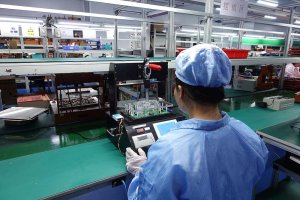
FCT places the PCBA in an environment simulating actual operating conditions to verify that its functional performance aligns with design specifications. This method comprehensively validates product performance.
9.Visual and Automated Optical Inspection (AOI)
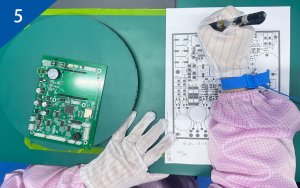
AOI utilizes high-definition cameras and image processing technology to detect cosmetic defects in solder joints and components. Compared to manual visual inspection, AOI is more efficient and has a lower error rate.
10.X-Ray Inspection Method
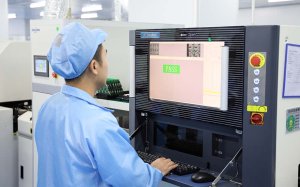
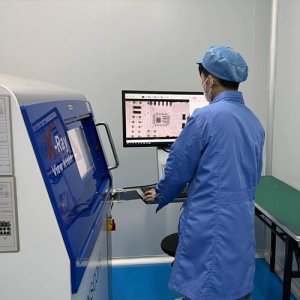
X-Ray is primarily used to inspect solder joints in packaging forms such as BGA (Ball Grid Array). It identifies internal soldering issues through X-ray images, addressing the blind spots that AOI cannot penetrate.
11.Environmental Reliability Testing Methods
For certain high-end products, environmental simulation tests—including high and low temperature, vibration, and humidity—are required to ensure the stability of the PCBA under extreme conditions.
12. The Core Value of the Testing Process
The testing process serves not only as the final line of defense for product quality but also helps companies reduce rework costs and enhance customer satisfaction. Efficient and comprehensive testing maximizes the functionality and reliability of the PCBA, delivering trustworthy products to customers.
Conclusion
The six major stages of PCBA production are interlinked, and testing is a critical step that cannot be compromised. From ICT electrical parameter testing to FCT functional verification, from AOI visual inspection to X-ray internal inspection, and on to extreme environmental reliability testing, establishing multi-layered quality defenses is essential to ensure that every PCBA meets design specifications and earns customer trust.