
Why Do Problems Keep Occurring in SMT Assembly?
SMT is a manufacturing process that mounts electronic components onto the surface of a PCB. Compared to traditional DIP (through-hole) assembly, it saves space and materials. The basic SMT process includes solder paste printing, component placement, reflow soldering, and inspection and rework. Solder paste printing involves precisely applying solder paste to the PCB to ensure solder joint quality; placement uses a placement machine to precisely position components in their designated locations; reflow soldering melts the solder paste through heating to securely solder the components; and inspection and rework use equipment such as Automated Optical Inspection (AOI) to ensure production yield. When quality issues frequently arise in SMT manufacturing, it is often due to the improper selection of an SMT manufacturer.
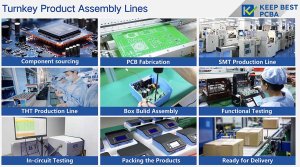
SMT manufacturing consists of four core stages
The SMT manufacturing process encompasses four core stages: solder paste printing, component placement, reflow soldering, and inspection and rework. The solder paste printing stage involves precisely applying solder paste to the PCB, laying the foundation for subsequent soldering. The component placement stage uses high-precision placement machines to accurately position electronic components on their corresponding pads. The reflow soldering stage melts the solder paste through precise temperature control, creating a reliable electrical connection between the components and the PCB. The inspection and rework stage utilizes equipment such as AOI (Automated Optical Inspection) to conduct a comprehensive check of placement and soldering quality, promptly identifying and correcting defects to ensure the final product’s yield rate.
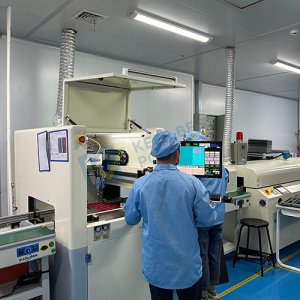
The Level of Equipment Advancement Determines Processing Precision
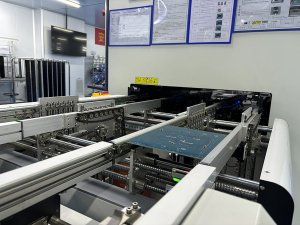
A high-quality SMT manufacturing facility should be equipped with first-class production equipment, including high-precision placement machines, reflow ovens, and AOI inspection equipment. The more advanced the equipment, the higher the processing precision and speed, and the better the assurance of product quality and consistency. Advanced placement machines can achieve precise placement of components with smaller package sizes, while high-performance reflow ovens ensure the stability and uniformity of temperature profiles, thereby significantly enhancing soldering reliability.
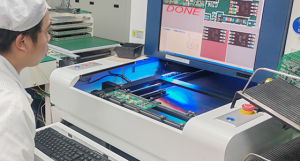
Technical Expertise Is the Core of Quality Assurance
In addition to equipment, the factory’s technical team and management experience are also critical. Technical staff should possess extensive SMT manufacturing experience, be capable of handling a wide variety of components, and meet the demands of high-precision, complex processes. Excellent factories also continuously adopt new processes to meet evolving market demands. A team with strong technical expertise can quickly diagnose production anomalies, optimize process parameters, and effectively reduce defect rates.
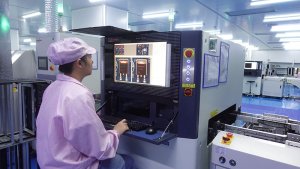
A Quality Control System Is Indispensable
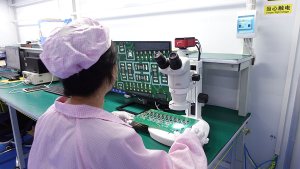
A robust quality control system is essential for ensuring product quality. The factory should hold international certifications such as ISO 9001 and IATF 16949, and implement strict quality control measures throughout the production process, including incoming inspection, in-process control, and final inspection. A comprehensive quality management system ensures material quality is controlled at the source, monitors critical process parameters during production, and conducts thorough functional and visual inspections prior to shipment, thereby establishing a closed-loop quality control system across the entire process.

Flexible Production Capacity to Meet Diverse Needs
A high-quality SMT manufacturing facility should have flexible production arrangements capable of handling both small-batch orders and large-scale production to meet the needs of different customers. Additionally, rapid response capabilities and timely delivery are important criteria for evaluating a facility. Facilities with flexible production lines can quickly switch between multiple product varieties and small-batch orders without sacrificing efficiency, thereby shortening time-to-market.
Cost-Effectiveness Requires a Balanced Approach
Although high-quality manufacturing facilities typically come at a certain price, partners should be able to offer competitive rates. A cost-effective facility can provide reasonable manufacturing costs while ensuring product quality, thereby helping companies control their budgets. When selecting a manufacturing partner, one should not simply pursue the lowest price but should comprehensively consider factors such as quality, lead time, and service to achieve optimal overall cost-effectiveness.
Specific Methods Are Required for Screening Manufacturing Facilities
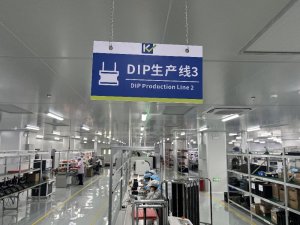
When selecting a partner, the first step is to verify whether they possess the necessary certifications, such as ISO 9001 and IATF 16949, which demonstrate the facility’s quality management standards. Second, conduct an on-site visit to inspect the factory’s equipment configuration, production processes, and quality control measures, and assess its working environment and management standards. At the same time, engage in in-depth communication with the manufacturer to understand production cycles, delivery capabilities, and process flows, and request that they provide customer case studies or examples of successful projects for reference. Finally, review evaluations from other clients to gauge the factory’s reputation and standing within the industry; positive customer feedback is a key indicator for selecting a high-quality contract manufacturer.
Conclusion
The quality of surface mount assembly is closely tied to the selection of the SMT manufacturer. By evaluating the sophistication of equipment, technical capabilities, quality control systems, production flexibility, and cost-effectiveness—and by employing screening methods such as reviewing certifications, conducting on-site visits, engaging in in-depth communication, and consulting customer reviews—companies can identify reliable manufacturing partners. Incorporating SMT manufacturer evaluation into the supply chain management system is a key measure for ensuring assembly quality, reducing production risks, and enhancing product competitiveness in the market.