
How Can PCBA Contract Manufacturing with Materials Supply Reduce Costs and Improve Efficiency?
In recent years, the PCBA contract manufacturing model with materials supply has gained popularity among many electronics manufacturers. Its core value lies in the fact that, by outsourcing production to specialized contract manufacturers, companies can effectively reduce production costs and improve operational efficiency while ensuring product quality. This article will analyze the cost optimization strategies and key advantages of PCBA contract manufacturing with materials supply from multiple perspectives to help companies make more informed manufacturing decisions.
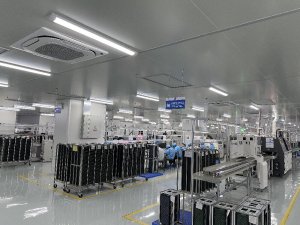
PCBA Contract Manufacturing and Material Supply Services Effectively Reduce Labor and Equipment Costs
Establishing an in-house PCBA production line requires companies to make substantial financial investments in both staffing and equipment procurement. In terms of human resources, professional PCBA manufacturing requires various technical roles, such as SMT operators, process engineers, and quality control specialists; the expenses associated with recruiting, training, and managing these personnel cannot be overlooked. By opting for contract manufacturing and material sourcing services, companies avoid the need to build and maintain an entire in-house technical team, resulting in a significant reduction in labor costs.
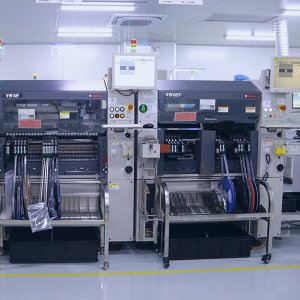
The same applies to equipment. Key production line equipment—such as SMT placement machines, reflow ovens, AOI (Automated Optical Inspection) systems, and X-ray inspection equipment—often costs several million yuan, and with short equipment replacement cycles, ongoing maintenance and upkeep costs continue to accrue. By outsourcing to a contract manufacturing and materials supply provider, customers simply pay for the service and gain access to mature production line equipment and process technologies, eliminating the need for massive upfront equipment investments as well as long-term maintenance and upgrade expenses.
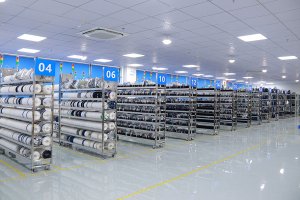
Bulk Centralized Procurement and Optimized Inventory Management Reduce Raw Material Costs
Raw material costs account for a significant portion of the total cost of PCBA production. Leveraging years of supply chain experience, contract manufacturing and materials supply companies have established stable partnerships with upstream component suppliers. With the capability for large-scale, centralized procurement, they can source high-quality electronic components at more competitive prices, and these cost advantages are directly passed on to the client.
Inventory management is another key aspect of cost optimization. Electronic components are characterized by rapid technological iteration and frequent market price fluctuations; companies that maintain their own inventory face multiple pressures, including obsolete stock, tied-up capital, and warehouse management challenges. By adopting the OEM/OEM model, inventory management is handled by the contract manufacturer, allowing the client to effectively avoid the risk of component depreciation, reduce the burden of tied-up capital, and improve cash flow.
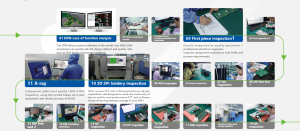
Professional Quality Control Systems Reduce Production Risks and Rework Losses
PCBA products are widely used in consumer electronics, automotive electronics, industrial control, medical devices, and other fields. Different application scenarios have significantly varying requirements for soldering reliability, electrical performance, and protection ratings, and quality defects can lead to serious consequences. OEMs typically have comprehensive quality control systems in place, covering end-to-end monitoring from incoming material inspection, SPI solder paste inspection, and first-article approval to AOI, X-ray, and functional testing. Equipped with a team of professional quality engineers, they can systematically identify and manage potential quality issues during the production process.
In contrast, companies that establish their own quality inspection teams and testing systems must invest substantial time and capital, and it is difficult for them to match the experience of professional contract manufacturers in the short term. By leveraging the contract manufacturer’s mature quality management capabilities, client companies can effectively reduce product defect rates and the risk of quality incidents, thereby minimizing additional costs associated with rework and repairs.
The OEM/ODM Model Enhances Production Flexibility and Shortens Delivery Cycles
The volatility of market demand requires manufacturers to possess rapid response capabilities. OEM/ODM companies possess economies of scale in production line configuration, personnel scheduling, and material allocation, enabling them to flexibly adjust production schedules based on the volume and urgency of customer orders and quickly transition from small-batch prototyping to medium- and large-scale production.
This flexibility is directly reflected in lead times. Professional ODM/OEM providers typically offer 72-hour rapid prototyping services, and delivery times for volume orders are significantly shorter than those of in-house production models. Shorter lead times mean companies can bring products to market faster to gain a first-mover advantage, while also responding more flexibly to changes in customer demand.
Technical R&D Support Helps Companies Reduce Process Optimization Costs
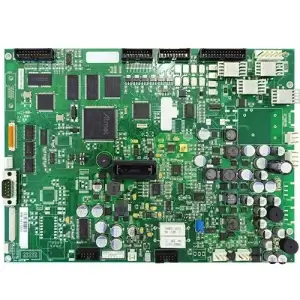
During the PCBA manufacturing process, many companies need to invest R&D resources in process optimization and technical adjustments. Contract manufacturers that provide both materials and labor continuously invest in process R&D and technological innovation, accumulating extensive experience and resources. They are able to provide clients with professional technical support—including DFM (Design for Manufacturability) optimization recommendations, component selection and substitution options, and impedance control solutions—helping companies avoid potential production risks as early as the product design stage and improve product manufacturability and yield rates.
This technical support service allows client companies to access professional manufacturing technology consulting without having to build their own process R&D teams, further reducing R&D costs and technical risks.
Focusing on Core Business to Enhance Market Competitiveness
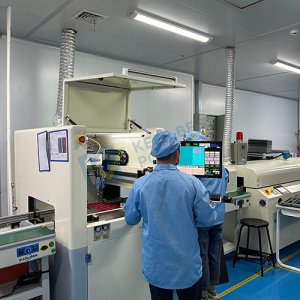
By outsourcing the PCBA production process to specialized contract manufacturers, companies can allocate their limited management, R&D, and financial resources to core areas such as product innovation, market expansion, brand building, and customer service. This division of labor allows companies to concentrate on the business areas where they hold the greatest competitive advantage, avoiding the distraction of manufacturing operations and thereby maintaining stronger core competitiveness in the market.
Economic Benefits of PCBA Contract Manufacturing and Industry Data
Based on industry practice, companies adopting the PCBA contract manufacturing model typically achieve cost savings of 20% to 30% in the production process. This figure reflects the comprehensive cost advantages of the contract manufacturing model across multiple dimensions, including labor, equipment, materials, inventory, and quality.
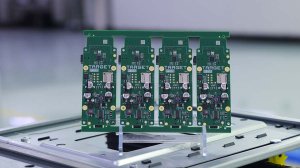
It is worth noting that in niche sectors characterized by high product technical complexity and rapidly changing market demand, the cost advantages of the OEM and ODM model are even more pronounced. Leveraging their supply chain management capabilities and flexible production scheduling systems, contract manufacturers can provide clients with continuous and stable production assurance, helping them maintain supply resilience and delivery capabilities in highly competitive market environments.