
How Is Wave Soldering Applied in PCBA Manufacturing?
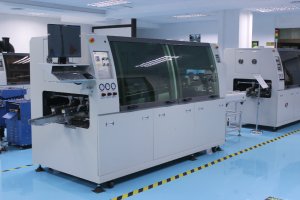
Wave soldering is a method that uses a wave of molten solder to perform soldering. A molten tin alloy is heated to a specific temperature and then extruded through a nozzle to form a wave-like solder wave. As the PCB passes through the wave, the bottom pads and the leads of through-hole components come into contact with the solder, completing the soldering process. Wave soldering is primarily used for soldering DIP components and through-hole components. The production process includes flux application, preheating, soldering, and cooling to set the joints, effectively reducing defects such as bridging and cold solder joints while improving soldering reliability.
Technical Principles and Process Flow of Wave Soldering
The core of wave soldering lies in the continuous wave of molten solder. The PCB first undergoes flux application to remove surface oxidation and enhance solder wettability. It then enters the preheating zone to gradually increase in temperature, proceeds to the soldering zone to come into contact with the solder wave, and finally passes through the cooling zone for setting and curing. The entire process is highly automated, ensuring good solder joint consistency, and is particularly suitable for soldering through-hole components in small- to medium-volume production.
Key Advantages of Wave Soldering
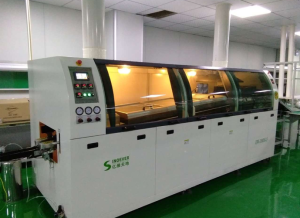
Wave soldering offers multiple advantages in PCBA production. First, it offers high production efficiency, capable of soldering a large number of joints in a short time, making it suitable for mass production. Second, it ensures strong soldering consistency; the automated process guarantees joint strength and reliability while reducing human error. Third, it is well-suited for through-hole components, delivering better soldering results for DIP and through-hole components than manual soldering. Fourth, it reduces labor costs; automated soldering decreases reliance on skilled workers, effectively controlling production costs while ensuring quality.
Considerations for Selecting Wave Soldering
Although wave soldering offers clear advantages, the following key points must still be addressed in actual production.
Select the appropriate flux. Flux directly affects soldering results and must be chosen based on a comprehensive evaluation of the PCB material, solder type, and component characteristics to ensure effective removal of oxide layers and enhanced solder flow, while avoiding solder joint contamination or excessive residue.
Control the preheating temperature and duration. The purpose of preheating is to gradually heat the PCB to a temperature suitable for soldering and to help volatilize the solvents in the flux. The preheating temperature is typically maintained between 100°C and 150°C, though it must be adjusted based on the PCB material and thickness; temperatures that are too high or too low can affect soldering results or even damage components.
Control the wave height. The wave height directly affects the solder contact area and solder joint strength. A wave that is too low may result in cold solder joints or missed solder joints, while one that is too high can easily cause bridging. It is generally recommended to set the wave height to approximately two-thirds of the PCB thickness, with slight adjustments made based on the type of components.
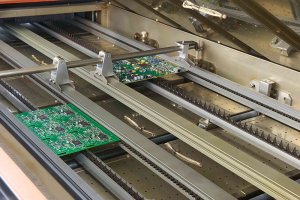
Optimize the conveyor belt speed. The conveyor belt speed determines how long the PCB remains in the soldering zone. Excessively high speeds result in insufficient contact time and incomplete soldering; excessively low speeds may cause oversized solder joints or bridging. In actual production, the speed should be flexibly adjusted based on the soldering area and solder flowability.
Pay attention to the cooling process. The cooling rate should be moderate; rates that are too fast or too slow can cause internal stress in the solder joints, making them brittle or prone to cracking. It is recommended to use air cooling or forced cooling equipment in the cooling zone to ensure rapid solidification and structural stability of the solder joints.
Perform regular equipment maintenance. The maintenance of wave soldering equipment directly impacts soldering quality. Daily cleaning of solder residue and oxides is required to ensure the nozzles and solder pumps remain unobstructed. Additionally, inspect the operational status of components such as the flux nozzles and temperature control system to ensure stable equipment operation.
Conclusion
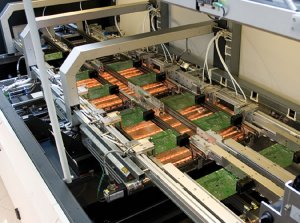
Wave soldering is a core process in PCBA manufacturing for achieving efficient and reliable soldering of through-hole components. By appropriately selecting flux, precisely controlling preheating temperature and wave height, optimizing conveyor belt speed and the cooling process, and combining these measures with regular equipment maintenance, soldering quality and production efficiency can be significantly improved. Incorporating the wave soldering process into a standardized production management system is a crucial step for electronics manufacturers to ensure product consistency, reduce rework costs, and enhance market competitiveness.