
Five Key Factors That Influence Your PCBA Assembly Cost and Quotation
Getting a PCBA quote can feel like a black box. One supplier quotes five dollars per board; another asks for fifteen. Why the gap? In reality, PCBA pricing follows clear logic. Understanding these drivers helps you budget accurately, negotiate confidently, and avoid unpleasant surprises. Whether you are building ten prototypes or scaling to ten thousand units, five core factors determine your final cost. This guide breaks them down so you can request quotes that are precise, comparable, and fair.

1. PCB Complexity and Specifications
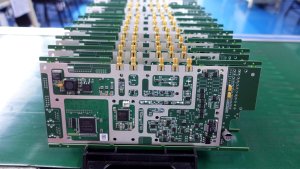
The bare board itself sets the foundation for cost. A simple two-layer FR-4 board with standard thickness and generous trace widths costs far less than a six-layer impedance-controlled board with blind vias, buried vias, and micro-BGA footprints. Key cost drivers include layer count, board dimensions, copper weight, minimum trace width and gap, hole density, aspect ratio, and surface finish. ENIG adds more than standard HASL due to gold content, and high-frequency substrates like Rogers or PTFE multiply material costs several times over. If your design pushes manufacturing limits—such as 0.075 millimeter traces or laser-drilled microvias—expect the assembly house to charge a premium for tighter process control, slower yields, and higher scrap rates. Always share your Gerber stack-up and drill files early so the factory can flag cost hotspots before you commit to a quote.
2. Component Mix and Sourcing Method
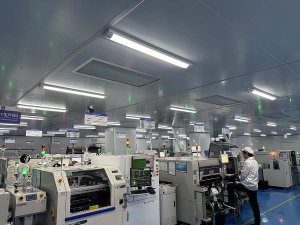
Semiconductors and specialized passives are usually the most expensive line item on the bill of materials. A board loaded with fine-pitch QFNs, CSPs, BGAs, or high-pin-count FPGAs demands advanced placement machines with vision alignment and slower cycle times. Through-hole connectors and relays add manual insertion or wave-soldering steps that increase labor content. The sourcing model also matters significantly. Under a turnkey arrangement, the assembler procures everything, manages shortages, pays for attrition, handles customs clearance, and assumes liability for traceability. Under a consignment model, you supply parts and pay strictly for labor and overhead. Turnkey saves engineering time and reduces procurement headaches, but it adds margin, financing cost, and inventory risk. Consignment gives you control but requires you to manage MOQs, lead times, and counterfeit risks yourself.

3. Assembly Volume and Non-Recurring Engineering
Volume changes everything. A single prototype carries the full burden of machine setup, solder-paste stencil fabrication, SMT program creation, reflow profile validation, and first-article inspection. Spread that same overhead across ten thousand units and the per-board setup cost drops to pennies. Most shops quote a separate non-recurring engineering or tooling fee for the initial run, which covers stencil, fixtures, programming, and inspection setup. If you plan to ramp volume later, ask for a tiered price schedule—such as ten, one hundred, one thousand, and ten thousand units—so you can forecast unit economics at each scale point. Be aware that dropping volume mid-project can trigger minimum order charges, so align your forecast with your contract terms.
4. Turnaround Time and Scheduling
Standard lead times for domestic PCBA production range from two to four weeks, depending on component availability, board complexity, and current factory load. When you need boards in five to seven days, the factory must shuffle its queue, run overtime shifts, or air-ship scarce parts from distributors. That urgency translates into surcharges that can add twenty to fifty percent to the base price. Planning ahead is the single easiest way to cut cost without sacrificing quality. If your timeline is flexible, communicate that in the RFQ; many shops offer discounted slots during slower weeks. Conversely, if you have a hard deadline, specify it early so the scheduler can reserve capacity rather than forcing a rush premium at the last minute.
5. Testing and Quality Requirements
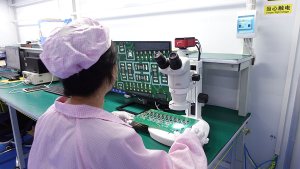
Not every board needs the same level of scrutiny. A simple consumer gadget may only need visual inspection and basic electrical continuity checks. A medical device, automotive ECU, or aerospace controller may require automated optical inspection, in-circuit testing, functional testing under load, boundary-scan for complex ICs, and X-ray inspection for hidden BGA solder joints. Each additional test station adds labor hours, capital depreciation, consumables, and cycle time. For example, ICT requires a dedicated bed-of-nails fixture that can cost thousands of dollars to design and build. Be specific about your quality requirements when requesting a quote, and reference recognized standards such as IPC-A-610 Class 2 for commercial or Class 3 for high-reliability products. Omitting tests to save money today can lead to field failures, warranty claims, and reputational damage that cost exponentially more tomorrow.
Hidden Costs to Watch For
Beyond the five main factors, a few line items catch buyers off guard. Rework and repair rates vary widely by factory skill level and process discipline; a shop with weak process control may quote low labor but charge heavily for touch-up. Component attrition—the small percentage of parts lost during setup, feeder loading, or placement—may be billed separately or baked into a material overhead percentage. Packaging, anti-static bags, vacuum sealing, moisture-barrier materials, and shipping insurance also add up. Finally, engineering change orders after release can trigger revision fees, stencil remakes, and program updates. Always request an itemized quote rather than a single lump sum so you can compare suppliers apples to apples and avoid scope-creep invoices later.
How to Get an Accurate Quote Fast
The fastest path to a reliable quote is a complete RFQ package. Include your Gerber files, a complete bill of materials with manufacturer part numbers and approved alternates, a pick-and-place or centroid file, and a clear statement of test requirements. Define your target volume, desired delivery date, panelization preferences, and any special standards such as IPC-A-610 Class 2 or Class 3, RoHS compliance, or conformal coating. The more context you provide, the faster the engineering team can validate manufacturability, check component availability, and return a number you can trust. At keepbest, we typically review RFQs within one business day when the package is complete.
Frequently Asked Questions
Q: What is the typical price range for PCBA prototypes?
A: Prototype assemblies generally fall between twenty and two hundred dollars per board depending on complexity, component cost, layer count, and test coverage. High-mix, low-volume jobs with expensive ICs and Class 3 inspection sit at the upper end. Simple two-layer boards with standard passives and basic visual inspection often land near the lower range. Always ask whether the prototype quote includes NRE, because some shops amortize tooling into the unit price while others list it separately.
Q: Does a lower price always mean lower quality?
A: Not necessarily, but suspiciously low bids often hide shortcuts such as reduced inspection steps, gray-market or counterfeit components, deferred NRE that appears later as a surprise invoice, or thin process documentation. Verify factory certifications such as ISO 9001 and IPC membership, ask for inspection protocols, and request component sourcing policies before choosing on price alone. The cheapest quote that ships defective boards is the most expensive quote in the long run.
Q: Can I reduce cost by supplying my own components?
A: Yes, consignment removes procurement markup and can lower material cost if you have existing stock or direct distributor relationships. However, you remain responsible for shortages, incorrect reel quantities, moisture-sensitive part handling, and counterfeit risks. Many full-service assemblers prefer turnkey arrangements because they can guarantee traceability, control shelf life, and optimize feeder loading. Discuss both models with your supplier to see which yields the lowest total landed cost for your specific project.
Q: How does panelization affect assembly cost?
A: Placing multiple boards in a single panelized array reduces handling time, machine setup time, and inspection overhead per individual board. Assemblers often pass a portion of that savings back to you, provided the panel size fits their conveyor width and reflow oven constraints. A common approach is to place four to six boards per panel with standard rail widths and fiducials. Avoid odd shapes or excessive spacing that wastes usable area, because the factory will price based on overall panel throughput.
Q: What files do I need for a PCBA quote?
A: At minimum, supply Gerber RS-274X files, a complete BOM with manufacturer part numbers and quantities, and a centroid or pick-and-place file with X-Y coordinates and rotation data. Optional but highly helpful files include assembly drawings showing polarity and orientation, test specifications, approved vendor lists, and quality standards such as IPC-A-610 class level. If you have panelization requirements or special handling instructions, include those as well to avoid assumptions that inflate cost.
Ready for Your Quote?

Understanding what drives PCBA cost puts you in control. With a clear BOM, realistic volume projections, well-defined test needs, and honest timeline expectations, you can collect comparable quotes and spot red flags instantly. If you are ready to move forward, send your project files to the KEEPBEST engineering team. We will review your design for manufacturability and return a detailed, itemized quote within one business day.