
China & Thailand PCBA manufacturing support
Selective PCB coating with protected contacts and test points · concept illustration

Specify protection, masking and acceptance

Conformal Coating to an Approved Material and Masking Specification

Define the exposure, coating material, protected regions and keepouts. Review cleaning, application, cure, inspection and test access before adding protection to the assembly route.
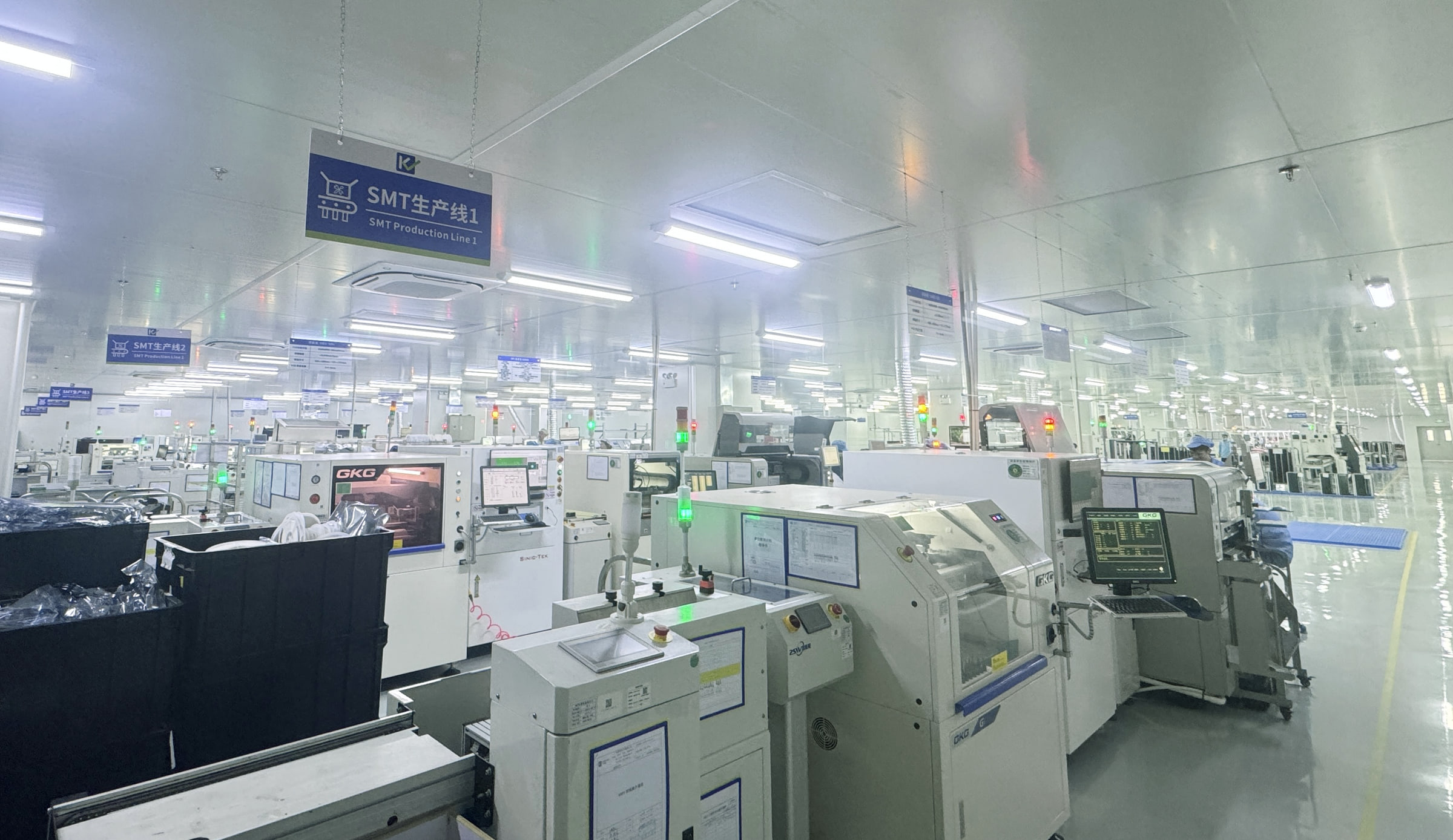
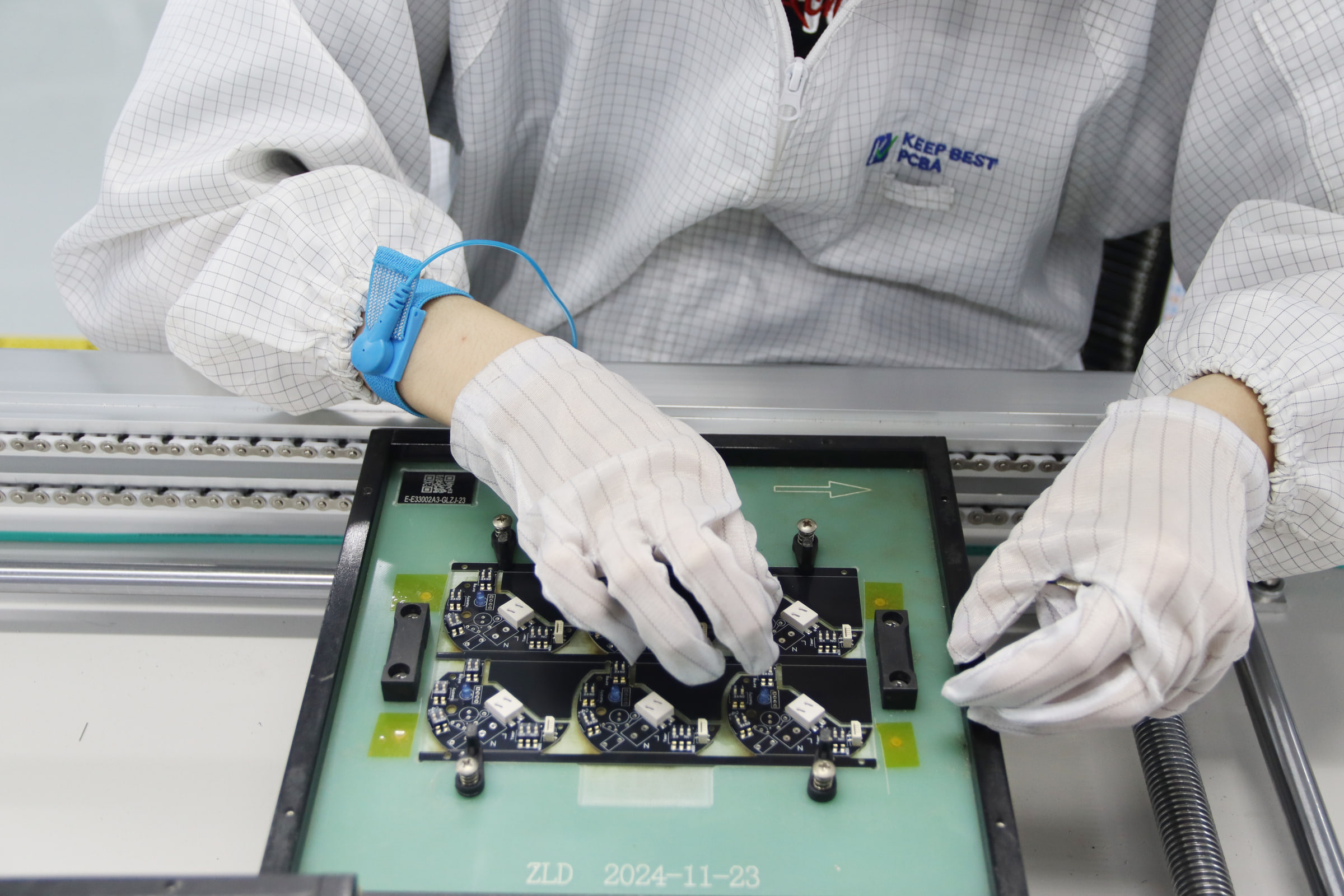
Technical concept illustration

Define exposures and the approved protection method

Review acrylic, urethane, parylene and potting as different protection specifications. Each needs a defined material and process; protective intent alone does not establish a finished assembly rating or qualification.

Project scope and review plan · Use these fields to define the requested review. Example entries are illustrative; the order confirms the accepted scope and records.

Compare columns · swipe or scroll on smaller screens

Drawing / material requirementProcess decisionAcceptance information to agree
Exposure and approved gradeMaterial compatibility and coating vs potting scopeCustomer material specification and required qualification method.
Protected regions / keepoutsConnector, contact, test-point and heat-transfer maskingApproved masking drawing; specified coverage / thickness checks if applicable.
Clean / apply / cureApproved instructions and actual application arrangementConfirm process record, inspection and rework requirements; review parylene grade and facility separately.
Detailed engineering considerations

Conformal coating is a process specification, not just a choice of resin. Start with the operating environment, the areas that need protection and the interfaces that must remain uncoated. KeepBest reviews coating requirements alongside assembly and test, with material selection, masking, application and acceptance conditions confirmed for the product before the process is included in the build.

Original concept illustration · not a KeepBest facility or customer project photograph

Acrylic coating requirements

Specify the approved acrylic product and the operating conditions it must address. Review cleaning, application, cure and rework needs with the material information, plus any customer-defined coverage or thickness acceptance criteria.

Urethane coating requirements

Where urethane is requested, identify the exact material and the exposures that drive the choice. Review its compatibility with components and assembly materials, with the intended process and repair requirements confirmed for the product.

Parylene process review

Submit the approved parylene grade, application requirements, masking drawing and acceptance needs for a specific process and facility review.

Potting and encapsulation scope

Potting changes the assembly into an encapsulated unit rather than a thin coated board. Review enclosure geometry, connector access, material compatibility, thermal behavior and serviceability before defining this as part of the build.

Release the masking and verification drawing

Keep connectors, test points and heat-transfer surfaces usable after the protection step.

Masking, coverage and verification

Provide a coating drawing showing connectors, test points, heat-transfer surfaces and other keepouts. Agree cleaning status, coverage inspection and the sequence with programming or functional testing so protected areas and usable interfaces are clear.

Coordinate cleaning, application, cure and inspection

Follow the approved material specification and process instructions. Confirm the cleaning condition, application method, cure requirements and acceptance evidence for this product.

Cleaning and preparation

Agree the assembly cleaning condition and material compatibility before protection is applied.

Application and cure

Confirm the reviewed application arrangement and cure instructions for the approved material.

Inspection and release

Check the specified coverage and keepouts against the acceptance drawing, with any required records linked to the released assembly.

Inputs, decisions & outputs

Cleaning, application, cure and release

  1. 01

    Define the protection specification

    Describe the environmental need and supply the approved material or selection criteria. Confirm whether the request is coating, parylene or encapsulation, with any customer qualification requirements identified before process review.

  2. 02

    Review application and keepouts

    Use the assembly and coating drawings to assess masking, access and compatibility. Confirm the proposed application arrangement, required preparation and process availability for the specific material and product geometry.

  3. 03

    Align coating with verification

    Agree when programming, electrical and functional checks occur relative to protection. Review the required inspection and acceptance evidence so coated regions, uncoated interfaces and any defects have defined disposition rules.

  4. 04

    Inspect and release the assembly

    Review coverage, keepouts and the specified process evidence before packaging. Any repair or additional qualification follows the agreed product requirements, with acceptance recorded for the approved material and design revision.

Your project

Prepare the coating and keepout package

Select the items you want to carry into the project brief.

Before release

Questions about coating and encapsulation

Is conformal coating the same as potting?

No. Coating protects selected board surfaces with a thin layer; potting encapsulates an assembly within a resin volume. Their mechanical, thermal and repair implications need separate review for the product.

Can a coating make the product waterproof?

Do not infer a product rating from the coating alone. Enclosure design, connectors, uncoated areas and the specified qualification test affect the complete product. Define the intended protection and acceptance method explicitly.

Do you apply parylene in-house?

The requested parylene process, facility and service arrangement require project-specific confirmation. Include the material grade and acceptance evidence in the request so the project team can review the actual scope.

What areas usually need masking?

Identify your connectors, test points, grounding contacts, heat-transfer surfaces and other functional interfaces on a drawing. Keepouts depend on the product; the customer-approved coating specification should define them.

Should the board be tested before coating?

Agree the sequence around the test access and protection method. Some checks need uncoated contacts or additional fixtures, and failures may be harder to repair after coating or potting. Define the planned route before the build.

Specify protection, masking and acceptance

Prepare your project brief.

Tell us what you are building and what you need reviewed. Include the current revision, quantities and any open questions. The project scope and acceptance criteria are agreed from your requirements.

Review the required files →

Submit your details and files for project review. A saved reference confirms receipt; notification delivery is tracked separately.

Send a project enquiry

* Required
    ZIP, Gerber/drill, CSV, XLSX or PDF · up to 10 files, 10 MB each, 20 MB total.
    Files are stored privately for project review.

    Get A Quote

    Fill in your requirement information and upload Gerber and BOM files, we will give you a quote within 24 hours.

    Get A quote

    Fill in your requirement information and upload Gerber and BOM files, we will give you a quote within 24 hours.