
Turnkey vs Consignment PCB Assembly: Which Sourcing Model Fits Your Project
When sourcing PCB assembly services, one of the earliest and most consequential decisions is choosing between turnkey and consignment models. This choice affects project cost, timeline, risk exposure, and the amount of engineering effort your team must invest in supply chain management. The right decision depends on your project characteristics, internal capabilities, and strategic priorities.
This article compares both models across the dimensions that matter most: cost structure, lead time, quality control, risk allocation, and scalability. By understanding the tradeoffs, you can select the model that best serves your project and organization.
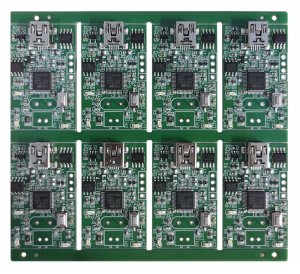
Turnkey PCB Assembly: The Manufacturer Manages Everything
In a turnkey arrangement, the PCB assembly manufacturer takes responsibility for the entire production process. You provide the design files, BOM, and Gerber data. The manufacturer sources all components, fabricates or procures the bare boards, assembles the boards, performs testing, and delivers finished assemblies ready for integration into your product.
The primary advantage of turnkey assembly is simplicity. Your team focuses on product design and engineering while the manufacturer handles the supply chain complexity. There is no need to maintain component inventory, manage logistics, or coordinate deliveries from multiple suppliers to the assembly floor. The manufacturer leverages their distributor relationships, volume purchasing power, and supply chain expertise to manage these tasks efficiently.
Turnkey pricing typically appears higher on a per-unit basis because the manufacturer builds their supply chain management costs into the price. However, the total cost of ownership is often lower when you account for the internal resources freed up by outsourcing supply chain management. Your procurement team avoids spending hours sourcing components, your warehouse avoids storing reels of inventory, and your logistics team avoids coordinating multi-supplier deliveries.
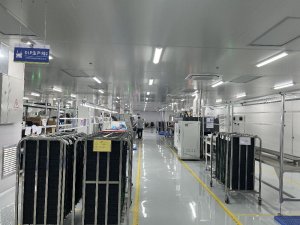
When Turnkey Shines
Turnkey assembly is particularly advantageous for companies with limited supply chain expertise or lean procurement teams. Startups and small companies often benefit because they lack the volume purchasing power to secure competitive component pricing independently. The manufacturer’s aggregated purchasing across multiple customers achieves better pricing than any individual small customer could negotiate.
Turnkey also excels for products with stable, well-documented BOMs using commonly available components. When the manufacturer can source from standard distribution channels without allocation challenges, the model works smoothly. Lead times are often shorter than consignment because the manufacturer controls the entire pipeline and can optimize ordering timing around their production schedule.
Consignment PCB Assembly: You Control the Supply Chain
In a consignment arrangement, you purchase and supply all components and bare boards to the assembly manufacturer. The manufacturer provides the labor, equipment, and process expertise to assemble your boards, but you own the material management from end to end. You source components, receive and inspect them, kit them for assembly, and ship the kitted materials to the assembly partner.
The primary advantage of consignment is control. You select component suppliers, negotiate pricing directly, manage inventory levels, and control component quality at the source. For companies with established supply chain infrastructure and purchasing expertise, this control can translate to significant cost savings, particularly for products with high-value components where direct negotiation yields better pricing than manufacturer markup.
Consignment also provides transparency into component sourcing. You know exactly which supplier, which lot, and which date code goes into your product. This transparency is valuable for applications requiring full material traceability or where specific supplier qualifications are mandated by customers or regulators.
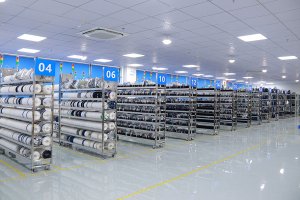
When Consignment Makes Sense
Consignment is typically preferred when your company has established purchasing relationships with component manufacturers or distributors that yield better pricing than the assembly partner can offer. It is also the right choice when you need to use specific suppliers for customer-mandated or qualified components, such as in military, aerospace, or automotive applications where customer-approved vendor lists govern component sourcing.
Products with long lifecycles and stable BOMs benefit from consignment because you can maintain strategic buffer stock of critical components, insulating production from supply chain disruptions. And for products involving proprietary or custom components that only you can source, consignment is the only viable model.
Cost Comparison: Beyond Unit Price
The apparent cost comparison between turnkey and consignment is straightforward: consignment unit prices are lower because the manufacturer is not adding supply chain management costs. But the real comparison requires accounting for all costs across the supply chain.
For turnkey, the total cost includes the manufacturer’s price per board plus your internal engineering review effort. For consignment, the total cost includes component purchasing costs, incoming inspection labor, kitting labor, inventory carrying costs, warehousing costs, freight to the assembly partner, plus the manufacturer’s assembly-only price per board.
The crossover point where consignment becomes cheaper than turnkey depends on volume, component mix, and your internal supply chain efficiency. For many companies, this crossover occurs around 5,000 to 10,000 boards per year. Below that volume, turnkey’s aggregated purchasing and supply chain efficiency often deliver lower total cost. Above that volume, direct purchasing leverage tips the balance toward consignment.

Risk Allocation and Quality Control
Risk allocation differs significantly between the two models. In turnkey assembly, the manufacturer bears the risk for component sourcing. If a component is counterfeit, incorrectly specified, or arrives late, the manufacturer is responsible for resolving the issue. This risk transfer has value that is easy to underestimate until a counterfeit component causes a field failure or a supply disruption delays a critical product launch.
In consignment assembly, you bear the component risk. If you purchase a counterfeit or substandard component, the defect appears in your finished product, and the resolution is your responsibility. This requires robust incoming inspection processes, established supplier qualification procedures, and the ability to manage component obsolescence proactively.
Quality control also differs. Turnkey manufacturers typically maintain incoming inspection processes for components they source, and they can leverage their experience with specific component suppliers to identify quality issues early. In consignment, the manufacturer may perform basic incoming inspection but relies on your certification that the supplied components meet specifications.
Lead Time Considerations
Turnkey lead times are often shorter for routine builds because the manufacturer controls the entire timeline. They can order components in advance of production slots and manage the sequencing of incoming materials against their production schedule. When a component is in allocation or has an extended lead time, the manufacturer can often use their distributor relationships to secure supply faster than a smaller customer could independently.
Consignment lead times are determined by your ability to source and kit all components before the production slot begins. If any component is delayed, the entire build is delayed. This requires careful project management and buffer stock planning for critical path components. The advantage is that you control the timing; you are not waiting for the manufacturer’s purchasing department to process your order.
For urgent prototype builds, consignment can sometimes be faster if you already have components in stock or can source them locally. Turnkey is typically faster for production builds where the manufacturer’s supply chain infrastructure can parallel-source all materials simultaneously.

Making the Right Choice
Choose turnkey assembly if your team lacks dedicated supply chain resources, your production volumes are moderate, your BOM uses commonly available components, and you prefer a single point of accountability for quality and delivery. This model minimizes your internal workload and transfers supply chain risk to the manufacturer.
Choose consignment assembly if you have established procurement expertise, your volumes are high enough to justify direct component purchasing, you need specific supplier control for regulatory or customer reasons, or your product includes proprietary components. This model maximizes your control and transparency but requires internal supply chain investment.
Many companies use both models depending on the project. Prototypes and initial production may use turnkey for simplicity, transitioning to consignment as volumes increase and direct purchasing becomes cost-effective. Discuss both options with your PCB assembly manufacturer to understand which model best fits your specific project. A flexible PCBA partner will support both models and help you transition between them as your needs evolve.