
PCB assembly lead times are one of the most common sources of friction between electronics companies and their manufacturing partners. Customers want shorter lead times; manufacturers face real constraints in component sourcing, equipment availability, and process complexity. Understanding what determines lead times and how to influence them helps both sides set realistic expectations and plan effectively.
This article breaks down the components of PCB assembly lead time, explains the factors that extend or compress timelines, and provides practical strategies for managing production schedules to meet market deadlines.

Breaking Down the Lead Time Components
The total lead time for a PCB assembly project comprises several sequential and parallel stages. Understanding each component reveals where time is spent and where acceleration is possible.
Bare board fabrication typically requires 5 to 15 business days for standard technology boards. Multi-layer boards with 8 or more layers, blind and buried vias, or special materials extend fabrication to 15 to 25 days. Quick-turn fabrication services can deliver simple boards in 2 to 3 days, but at premium pricing and with technology limitations.
Component sourcing varies enormously depending on the BOM. Components available from local distributor stock may arrive in 1 to 3 days. Components requiring factory orders may need 8 to 16 weeks or longer. The sourcing lead time is determined by the longest-lead component on the BOM, making critical path analysis essential for accurate timeline planning.
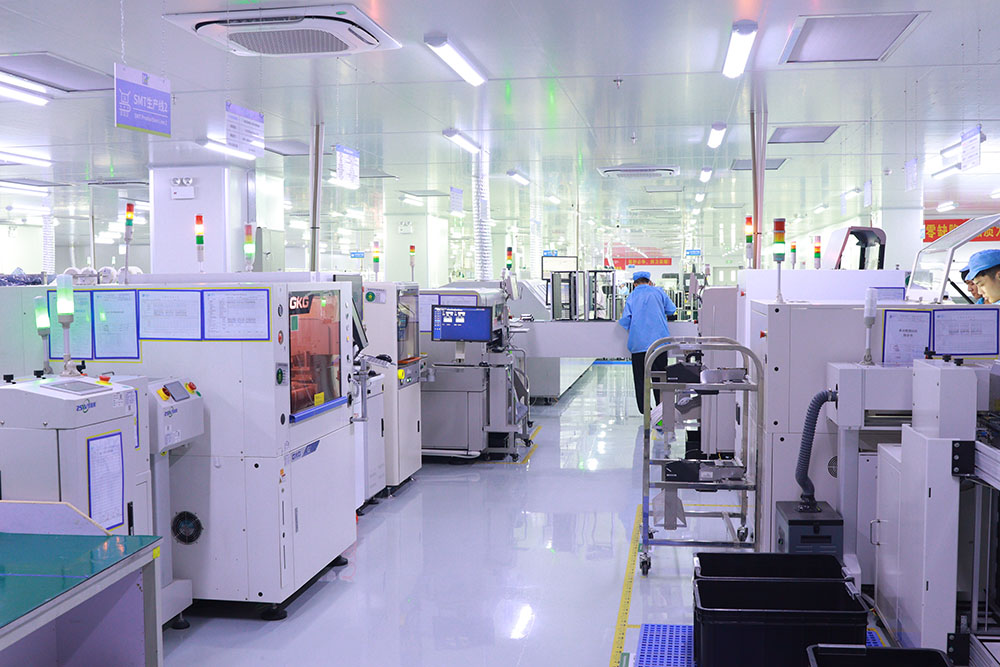
Assembly time depends on the complexity of the board and the production volume. A simple single-sided SMT board in moderate quantities might assemble in 2 to 3 days. A complex double-sided, mixed-technology board with BGA components might require 5 to 10 days for assembly and rework. Quick-turn assembly services can build simple boards in 24 to 48 hours, but this premium service comes with significant cost premiums.
Testing time adds 1 to 5 days depending on test complexity. In-circuit testing with existing fixtures adds minimal time. Functional test development for new products can add significant time, particularly if test programs need debugging and test fixtures need fabrication.
Shipping time depends on the destination and shipping method. Domestic ground shipping typically takes 1 to 3 days. International air freight adds 2 to 5 days. Ocean freight, used for high-volume shipments, adds 15 to 30 days but is significantly cheaper for bulk shipments.
Factors That Extend Lead Times
Several factors can extend standard lead times significantly. Recognizing these factors early allows for mitigation planning and realistic schedule setting.
Component allocation and shortage is the most unpredictable and impactful factor. When a component enters allocation due to supply constraints, lead times can extend from weeks to months. The semiconductor shortage demonstrated how rapidly component availability can deteriorate. Products with long BOMs containing many semiconductor devices are most vulnerable to allocation-driven delays.
Design complexity affects every stage of the timeline. High-layer-count boards require more fabrication time. Fine-pitch and BGA components require more precise assembly setup and profiling. Mixed-technology boards require multiple soldering processes. Each complexity factor adds time to the standard process, and multiple factors compound rather than simply add.
First-time builds always take longer than repeat builds. The first build of a new design requires stencil fabrication, placement programming, reflow profile development, test program development, and first-article inspection. Repeat builds reuse this setup, reducing the per-board time significantly. For first-time builds, add 50 to 100 percent to standard assembly time estimates.
Quality issues during initial builds can extend timelines significantly. If the first production run reveals defects requiring design changes or process modifications, the timeline extends while corrections are implemented. DFM reviews during design reduce this risk by catching manufacturability issues before they become production problems.
Strategies for Reducing Lead Times
While some lead time factors are fixed, others can be influenced through planning and partnership choices. The following strategies can meaningfully compress production timelines.
Early BOM analysis and long-lead component ordering is the most effective lead time reduction strategy. Before the design is finalized, identify all components on the BOM and check their availability and lead times. Order long-lead components before the design freeze, holding them in inventory until the board is ready for assembly. This approach front-loads the timeline to parallelize component sourcing with board fabrication.
Component standardization reduces sourcing complexity. Standardizing on common component values and packages across multiple products builds purchasing volume that improves priority with distributors. Standard components are more likely to be in distributor stock, reducing lead time from weeks to days. Creating a preferred component list and enforcing it during design reviews builds this standardization over time.
DFM-optimized design reduces assembly complexity and the risk of first-build quality issues. Designs that follow DFM guidelines assemble more quickly, require less rework, and achieve first-pass yield targets faster. The investment in DFM review before production pays back in reduced assembly time and fewer schedule-consuming quality issues.
Pre-approved supplier relationships with multiple distributors for each critical component ensure that if one source is delayed, alternatives are available. Maintaining approved vendor lists with second and third sources for critical components eliminates the single-source dependency that can extend lead times unpredictably.
Inventory positioning through vendor-managed inventory or consigned stock at the assembly partner’s facility can eliminate component sourcing time from the critical path. Components stored at the assembly site are available immediately when a production slot opens, reducing total lead time to board fabrication plus assembly.

Setting Realistic Customer Expectations
Accurate lead time quoting requires honest assessment of all timeline components. Many schedule disappointments stem from optimistic initial estimates that did not account for component sourcing, first-build setup, or quality verification. A structured quoting process that breaks down each timeline component and includes appropriate buffer for variability produces estimates that are achievable rather than aspirational.
For new products, quote lead times that account for first-build setup, including programming, profiling, and first-article inspection. For repeat builds, quote based on historical performance data rather than theoretical cycle time calculations. And always communicate the critical path component, the item that determines the earliest possible completion, so customers understand what drives the timeline and what would need to change to compress it further.
When delays occur, early communication is essential. Informing a customer that a component is delayed three weeks before the scheduled ship date allows them to adjust their plans. Informing them on the scheduled ship date that the boards are not ready damages the relationship. A good manufacturing partner provides visibility into production status and proactively alerts customers to potential delays.
Quick-Turn Services: When Speed Matters Most
Quick-turn PCB assembly services compress standard lead times through prioritized processing, dedicated equipment, and premium component sourcing. Standard quick-turn services deliver assembled boards in 3 to 5 days for simple designs. Expedited services can deliver in 24 to 48 hours for urgent requirements.
The cost premium for quick-turn services reflects the resources required. Components must be sourced from local stock, often at higher per-unit prices. Equipment must be reserved for prioritized processing, displacing other scheduled work. Engineering support must be available immediately for setup and first-article inspection. These costs are passed to the customer in the form of expedite fees and higher unit prices.
Quick-turn services are valuable for prototyping, urgent design validation, and emergency production where the cost of delay exceeds the cost premium. They are not cost-effective for routine production where standard lead times are acceptable. Using quick-turn services for everything erodes the cost advantage that makes the product competitive.
Understanding lead time dynamics and working proactively with your PCB assembly manufacturer to manage them is essential for reliable production planning. A responsive PCBA partner will provide transparent lead time quoting, early warning of potential delays, and quick-turn options for urgent needs, giving you the scheduling flexibility to meet your market commitments.