
Against the backdrop of continuous growth in new product pilot production, R&D validation, and small-scale customization needs, small-batch PCBA manufacturing has become a critical component of electronics manufacturing. This article systematically explains how to improve the efficiency of small-batch PCBA manufacturing and effectively control costs from three perspectives: advantages and disadvantages, key considerations, and optimization strategies.
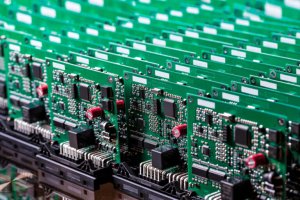
Small-batch PCBA manufacturing offers three core advantages
Compared to high-volume production, small-batch PCBA manufacturing offers greater flexibility in terms of response speed and capital tied up. Its advantages are primarily reflected in three areas: First, high flexibility, allowing for rapid adjustments to design and production scheduling based on market feedback, making it suitable for R&D pilot production and custom orders; second, a short time-to-market with a compact production cycle, which accelerates the pace of testing, validation, and product launch; and third, reduced financial pressure, with lower initial investment and inventory costs, better aligning with the cost structures of small and medium-sized enterprises and startup teams.
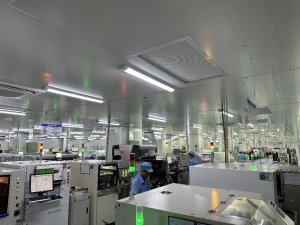
Small-Batch PCBA Manufacturing Has Three Major Disadvantages
The small-batch model also faces objective constraints. First, unit costs are relatively high; small order volumes result in higher per-unit costs for component procurement and production line startup/shutdown. Second, quality risks are greater; if process and equipment changeovers are not thorough enough, consistency issues may arise, requiring enhanced process control. Third, the supply chain is unstable; when procurement volumes are limited, suppliers may prioritize high-volume orders, leading to uncertainty in component delivery times.
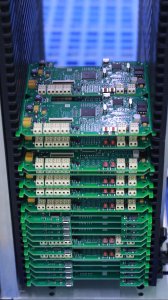
The Design Phase Sets the Foundation for Cost and Quality
Excellent DFM (Design for Manufacturing) is a prerequisite for reducing costs in small-batch PCBA production. During the design phase, one should adhere to manufacturing process constraints, avoid overly complex structures that increase production difficulty, and prioritize simplicity and feasibility to enhance efficiency and stability. At the same time, during the component selection phase, prioritize off-the-shelf components with long lead times to reduce the likelihood of stockouts or delivery delays in small-batch production.
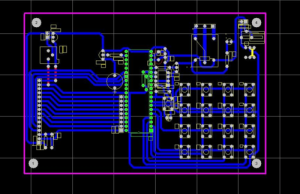
The Manufacturing Phase Requires Precise Calibration of Process Equipment
The manufacturing phase transforms the design into a physical product, placing high demands on the adjustability and flexibility of small-batch production lines. Before commencing full-scale production, the seamless integration of process flows—such as surface-mount assembly, soldering, and testing—must be verified to minimize unnecessary rework. Since the window for equipment calibration is short in small-batch production, operators must perform equipment calibration with precision to avoid quality fluctuations caused by inadequate calibration.
The Procurement Phase Requires Optimized Stocking and Alternative Solutions
The procurement phase directly impacts raw material costs and lead times. Given that small-batch orders involve low volumes and higher unit prices, costs can be optimized by establishing stable partnerships with suppliers to secure volume discounts, or by adopting a “manufacturing and material supply” model where the contract manufacturer assists with procurement. Additionally, a list of compatible alternative components should be compiled in advance to address potential supply instability in small-batch production and ensure production continuity.
Strict Quality Inspection Procedures Must Be Enforced During the Assembly Phase
PCBA assembly encompasses processes such as SMT placement, DIP insertion soldering, and functional testing, each of which affects the final yield rate. Even for small batches, quality inspections for soldering and functional testing must be strictly enforced to ensure that each board meets design requirements. Rapid testing and validation should also be conducted during the pilot production and prototyping phases to promptly identify and correct issues, thereby avoiding rework caused by inadequate equipment debugging.
Selecting the Right Manufacturer Can Improve Production Efficiency
Small-batch manufacturing places high demands on a manufacturer’s flexible scheduling and process capabilities. Prioritizing PCBA manufacturers with extensive experience in small-batch production can reduce trial production and ramp-up costs, significantly improving overall efficiency and delivery reliability.
OEM and Material Procurement Services Optimize Component Costs
Through OEM and material procurement services, customers can outsource component procurement to the manufacturer. By leveraging the manufacturer’s long-term partnerships with original equipment manufacturers (OEMs) or distributors, customers can secure more favorable pricing and delivery guarantees, thereby reducing procurement costs—both financial and time-related—and allowing the team to focus more on core R&D.
Parallel Process Workflows Shorten Production Cycles
When production capacity allows, arranging SMT assembly and testing to run in parallel reduces waiting time between processes, shortens the overall production cycle, and improves turnaround efficiency for small-batch orders.
Developing Alternative Solutions in Advance to Ensure Delivery
Fluctuations in component supply can disrupt delivery schedules. Preparing alternative solutions during the design phase ensures that compatible components can be quickly substituted if a specific part becomes unavailable, effectively mitigating the risk of production line stoppages and guaranteeing on-time delivery of small-batch orders.