
How does PCBA ageing testing ensure product quality?
PCBA ageing testing involves subjecting assembled circuit boards to specific environmental conditions—such as high temperature, high humidity and voltage stress—to simulate real-world usage conditions and assess their stability during prolonged operation. This article analyses the definition, purpose and core role of ageing testing, as well as its necessity in three key areas: enhancing quality, ensuring reliability and reducing after-sales costs, thereby highlighting its crucial value in safeguarding product quality.
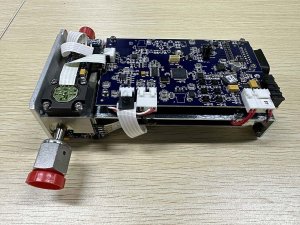
1.Definition of PCBA Ageing Testing
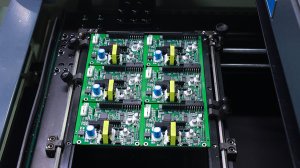
PCBA ageing testing, also known as PCB durability testing, involves subjecting assembled PCBA (printed circuit board assemblies) to specific environmental conditions—such as high temperature, high humidity and voltage stress—over a period of time. This simulates real-world operating conditions to assess whether the PCBA remains stable during prolonged operation. The primary purpose of ageing testing is to ensure that products can operate reliably in various harsh environments by identifying potential issues and weaknesses.
Through ageing testing, potential faulty components can be identified at an early stage, the soundness of the circuit design can be verified, and the quality of PCBA soldering can be inspected, thereby further enhancing the reliability of the finished product and reducing subsequent after-sales maintenance costs.
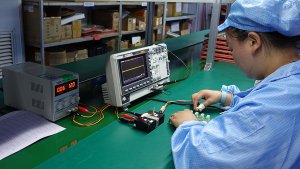
2.Objectives and Functions of Ageing Tests
The primary objective of PCBA ageing tests is to expose components prone to early failure, ensuring they achieve the expected performance under actual operating conditions. These test conditions not only accelerate the product’s ageing process but also verify the PCBA’s durability and reliability under high-load conditions. Through ageing tests, defects or potential issues in the product can be identified and resolved at the earliest stage of production, thereby preventing defective products from entering the market.
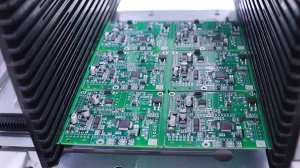
3. Improving Product Quality and Reducing Failure Rates
Once assembly is complete, PCBAs may develop latent faults due to design flaws, soldering defects or component quality issues. Ageing tests can effectively screen for these early-stage failures. For example, by applying voltage stress, it is possible to expose soldering issues that may have gone undetected during production, or to identify components that perform poorly in high-temperature environments. In this way, the failure rate of finished products can be significantly reduced, thereby enhancing the final product quality.
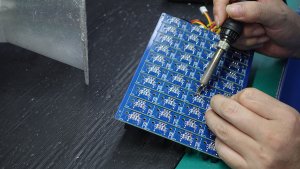
4.Ensuring Long-Term Product Reliability
For electronic products operating long-term in harsh environments—such as automotive electronics, industrial control equipment or power equipment—the reliability of PCBA is of paramount importance. Ageing tests can accelerate the PCBA’s service life cycle, verifying its ability to operate stably under complex conditions such as high temperatures, humidity and vibration. This not only prevents product failures during actual use but also extends the product’s service life, thereby increasing user satisfaction.
5.Reducing After-Sales Costs and Enhancing Brand Reputation
PCBAs that have not undergone ageing tests are prone to failure shortly after leaving the factory, leading to user complaints and a significant increase in after-sales repair costs. For manufacturers, after-sales issues result not only in financial losses but also in a decline in brand reputation. Ageing tests can substantially reduce the incidence of early failures, helping companies lower after-sales maintenance costs whilst enhancing product competitiveness and customer satisfaction.
Conclusion
PCBA ageing testing is a critical quality control stage between the sample stage and mass production. By simulating extreme environments to accelerate the exposure of potential defects, ageing testing plays an irreplaceable role in three key areas: improving product quality, ensuring long-term reliability, and reducing after-sales costs. Incorporating ageing testing into standardised production processes is a strategic choice for PCBA manufacturers to achieve zero-defect quality, high brand reputation and high customer satisfaction.