
Medical device PCB assembly operates in a world where zero-defect manufacturing is not a marketing slogan but a regulatory requirement. A circuit board inside a pacemaker, infusion pump, or diagnostic imaging system cannot fail. The consequences of a field failure range from costly recalls to patient harm. This reality shapes every aspect of medical electronics manufacturing, from material selection to final inspection.
This article examines the specific requirements, standards, and best practices that distinguish medical device PCB assembly from commercial electronics manufacturing. Whether you are developing a Class I wellness device or a Class III implantable system, understanding these requirements is essential for product success.

Regulatory Framework: ISO 13485 and FDA Requirements
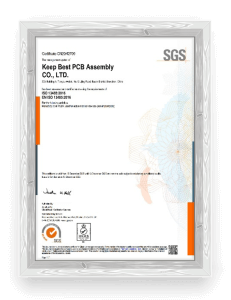
The regulatory foundation for medical device manufacturing is ISO 13485, the international standard for quality management systems specific to medical devices. Unlike ISO 9001, which focuses on customer satisfaction, ISO 13485 is centered on product safety and efficacy. It requires documented procedures for every manufacturing process, validated equipment, traceability throughout production, and rigorous handling of non-conforming products.
For products sold in the United States, FDA Quality System Regulation adds specific requirements for design controls, production and process controls, and corrective and preventive action systems. The FDA’s approach is risk-based: higher-risk devices face more stringent manufacturing requirements and more frequent inspections.
A PCB assembly partner serving medical device customers should maintain current ISO 13485 certification and be familiar with FDA inspection processes. Ask about their most recent regulatory audit results and any observations or findings. A manufacturer who is transparent about audit findings, including how they were addressed, demonstrates the quality culture that medical device manufacturing demands.
Cleanliness and Contamination Control
Medical PCBs often require cleaning processes that go well beyond the no-clean flux residues acceptable in commercial electronics. Ionic contamination on a medical device PCB can cause electrochemical migration, dendrite growth, and eventual short circuits. For implantable devices, even microscopic contamination particles can trigger adverse biological responses.
Manufacturing environments for medical electronics typically include HEPA-filtered air, positive pressure to exclude contaminants, and regular monitoring of particulate levels. Operators wear protective clothing covering hair, skin, and clothing fibers. Cleaning processes use deionized water or specialized solvents, with ionic contamination testing performed on every production lot using resistivity of solvent extract testing per IPC-TM-650.

Material and Component Selection for Medical Applications
Materials used in medical device PCBs face requirements that commercial products rarely encounter. Biocompatibility may be required if the assembly contacts patients or bodily fluids. High-reliability laminate materials with superior thermal performance and lower outgassing characteristics are often specified for critical applications. Conformal coating materials must be selected for compatibility with sterilization processes including autoclaving, ethylene oxide, and gamma irradiation.
Component selection follows similarly stringent criteria. Only components from authorized distribution channels are acceptable, with full traceability to the original manufacturer. Date and lot codes must be recorded and maintained. Components approaching their shelf-life limits trigger re-qualification or replacement. For Class III devices, any component change, even a supplier relocation of an otherwise identical part, may require regulatory re-submission.
Traceability: Every Component, Every Process Step
Medical device regulations require the ability to trace any finished device back through every manufacturing step to the incoming components and materials. For PCB assembly, this means recording which specific reel of components was loaded into which feeder, at what time, by which operator. It means capturing the reflow profile for every individual board, not just every batch. It means linking inspection results, test data, and any rework actions to the specific board serial number.
Building and maintaining this traceability infrastructure requires investment in manufacturing execution systems, barcode or RFID tracking at every work cell, and disciplined operator adherence to scanning procedures. The payoff extends beyond regulatory compliance. When a field issue does occur, granular traceability enables precise identification of the affected population and rapid root cause analysis.
Validation and Process Control
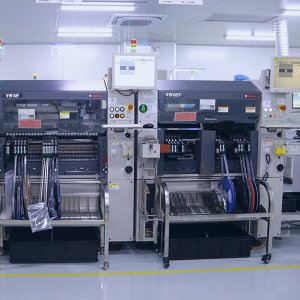
Medical device manufacturing requires validated processes, which means documented evidence that a process consistently produces results meeting predetermined specifications. For PCB assembly, validated processes typically include solder paste printing, component placement, reflow soldering, wave soldering, cleaning, and conformal coating.
Validation is not a one-time exercise. Processes must be periodically re-validated, and any significant equipment change, material change, or process parameter adjustment triggers re-validation. This creates an ongoing documentation burden that inexperienced manufacturers may underestimate. The best medical electronics manufacturers integrate validation activities into their normal production rhythm rather than treating them as exceptional events.
Statistical process control takes on added importance in medical manufacturing. Control charts for critical parameters such as solder paste volume, peak reflow temperature, and ionic contamination levels provide early warning of process drift before it produces non-conforming product. A PCB assembly manufacturer with robust SPC systems catches problems before they reach final inspection, reducing scrap and protecting delivery schedules.
Testing Requirements Beyond Standard ICT
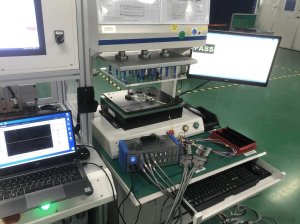
Medical device PCBs often require testing protocols that exceed the in-circuit and functional testing typical in commercial manufacturing. Burn-in testing, where boards operate at elevated temperature for extended periods, screens for early-life failures. Highly accelerated life testing may be required to validate design reliability. Environmental stress screening exposes assemblies to temperature cycling and vibration to identify latent defects.
Each test protocol must be documented, validated, and performed by qualified personnel using calibrated equipment. Test records become part of the device history record and must be retained for the required retention period, which may extend years beyond the product’s commercial life.
Manufacturing medical device PCBs demands a partner with proven quality systems, regulatory expertise, and a culture where every team member understands that the boards they build may sustain or save a life. Selecting such a partner is one of the most important decisions a medical device company makes.