
How should incoming material inspections be conducted at PCBA manufacturing plants?
The quality of incoming materials at a PCBA manufacturing facility directly determines over 70% of an electronic product’s reliability. This article analyses the core strategies employed by PCBA manufacturers to ensure the quality of incoming materials, focusing on five key areas: a three-tier inspection system, international standard procedures, intelligent testing equipment, a material traceability database, and collaborative supplier management.

1.Establishing a Three-Tier Inspection System
Supplier Pre-qualification: Conduct quality management system audits on component suppliers to control material sources at the outset.
Initial Incoming Inspection: Use equipment such as X-ray inspection systems and LCR testers to perform batch sampling, intercepting obvious defects.
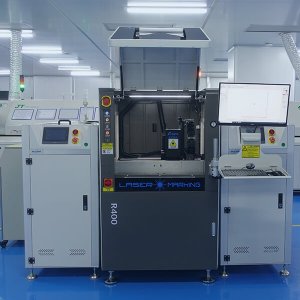
Pre-production Re-inspection: Conduct 100% inspection of sensitive components to ensure zero defects reach the production line and eliminate potential hazards.

2.Implementation of International Standard Inspection Procedures
Visual Inspection: Inspecting component packaging, lead oxidation and other issues in accordance with the IPC-A-610 standard.
Functional Testing: Identifying cold solder joints, misalignment and polarity errors using AOI optical inspection equipment.
Reliability Validation: Conducting temperature and humidity cycling tests and mechanical stress tests on special components to assess long-term stability.

3. Deployment of Intelligent Inspection Equipment
High-precision inspection systems are deployed to ensure inspection efficacy. The SMT first-piece inspection system supports automatic BOM comparison; the 3D solder paste inspection (SPI) system achieves an accuracy of ±0.01 mm; and the fully automatic in-circuit test (ICT) machine achieves a test coverage rate of 95% or higher.
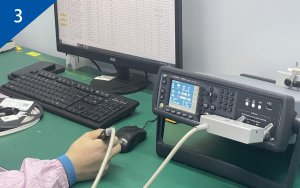
4.Establishment of a Material Traceability Database
Our in-house developed MES system delivers three core functions: end-to-end batch number tracking, material lifecycle management, and real-time alerts for anomalous data. Digital management enhances response times and improves the efficiency of issue tracing.
5.Collaborative Supplier Management Mechanism
We publish monthly supplier quality white papers, hold quarterly joint process improvement meetings, and establish shared testing laboratories with strategic suppliers. Deep collaboration drives continuous quality improvement and builds a stable and reliable supply chain ecosystem.