
SMT processing costs are facing a double whammy of raw material shortages and price hikes. This article analyzes the three main causes—rising material costs, increasing labor costs, and soaring technical equipment maintenance costs—and looks ahead to three major industry trends: highly automated smart manufacturing, refined and customized services, and environmentally friendly green manufacturing.
1.Factors Contributing to Rising Material Costs
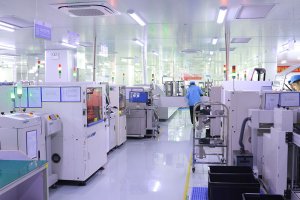
Price fluctuations in electronic components and PCB substrates are among the key factors driving up SMT processing costs. As the global semiconductor shortage persists, prices for critical materials such as chips and passive components have risen sharply. Additionally, supply-demand imbalances for components like high-performance capacitors, resistors, and crystal oscillators have further intensified cost pressures. For certain high-end devices, the prices of specialized components have even increased by more than 50% year-over-year.
The prices of PCB substrate materials, such as copper foil and resin, are also on the rise. Global demand in sectors like new energy and 5G communications has driven supply shortages of upstream raw materials. In particular, the demand for multilayer PCBs driven by 5G and new energy vehicles has further increased the costs of specialized materials such as thick copper, high-frequency, and high-thermal-conductivity materials. Consequently, rising material costs have directly driven up the overall cost of SMT processing.

2.Factors Contributing to Rising Labor Costs
As industrial automation advances and technology improves, operations on SMT production lines are gradually transitioning toward automation; however, the demand for skilled technical workers has not diminished. On the contrary, given the complexities involved in SMT equipment debugging, program optimization, and equipment maintenance, higher technical proficiency and skill levels are required of operators, leading to a corresponding rise in labor costs.
Labor shortages are also a major factor driving up labor costs. Particularly in regions with a high concentration of manufacturing, the imbalance between labor supply and demand forces companies to offer more competitive salaries and benefits to attract qualified technical talent. Against this backdrop, labor costs on SMT production lines have been rising year by year, further contributing to the increase in overall processing costs.
3. Factors Contributing to Rising Technical and Equipment Maintenance Costs
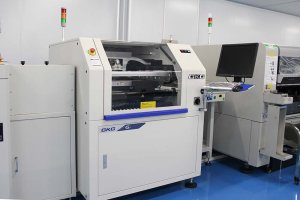
The technical capabilities of SMT equipment directly impact production efficiency and processing quality. However, as processes become more complex and precision requirements increase, the procurement and maintenance costs of new equipment have risen accordingly. High-precision placement machines, AOI (Automated Optical Inspection) systems, SPI (Solder Paste Inspection) machines, and other equipment introduced in recent years not only require high initial investments but also entail substantial ongoing maintenance and upkeep expenses. Additionally, these devices require regular calibration and upgrades, and the replacement costs for certain core components are significant.
More importantly, as electronic products become increasingly sophisticated and miniaturized, the size of many components has shrunk to the micrometer level, placing ever-higher demands on placement accuracy, temperature control capabilities, and process stability. The technological upgrades, process innovations, and material adaptations required to meet these demands place higher demands on companies; these intangible investments are factored into costs, leading to an increase in overall SMT processing expenses.
4.Trends Toward High Automation and Smart Manufacturing
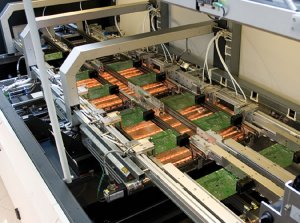
To control costs and improve efficiency, an increasing number of SMT factories are advancing toward high automation and smart manufacturing. For example, intelligent AGV logistics systems minimize logistics costs during production, while MES (Manufacturing Execution Systems) enable real-time monitoring and data analysis of production processes, thereby improving equipment utilization and production capacity. In the future, fully automated “unmanned workshops” or “lights-out factories” are expected to become an industry trend, reducing reliance on manual labor and lowering labor costs.
5.Trends Toward Precision and Customized Services
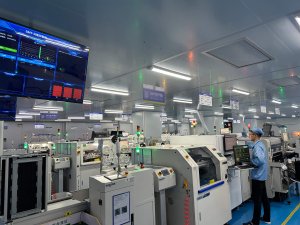
Against the backdrop of increasingly diverse electronic products, SMT manufacturing is shifting from traditional mass production toward precision and customization. Particularly in sectors such as consumer electronics, automotive electronics, and medical electronics, demand for small-batch, high-variety, and high-reliability SMT manufacturing is gradually increasing. This trend requires SMT contract manufacturers to possess flexible production organization capabilities and technical adaptability in order to provide more specialized customized services. Precision manufacturing not only enhances product value but also offers customers greater flexibility.
6.Trends Toward Environmental Protection and Green Manufacturing
As global attention to environmental protection and carbon emissions continues to grow, the SMT industry is also transitioning toward green manufacturing. For example, eco-friendly solder paste with low VOC (volatile organic compound) content and lead-free processes are gradually being adopted. At the same time, energy conservation, emissions reduction, and waste minimization have become operational goals for many companies. By introducing eco-friendly materials and improving resource utilization efficiency, companies can not only reduce energy consumption but also enhance their corporate social image and strengthen their market competitiveness.
Conclusion
The surge in SMT processing costs is the result of the combined pressures of materials, labor, and technology. To address this challenge, companies need to accelerate the adoption of smart manufacturing to reduce costs and improve efficiency.