
The selection of materials for PCBA is crucial to product performance, reliability and cost control. This article outlines the characteristics of three commonly used material categories—PCB substrates, electronic components and soldering consumables—analyses the five key factors in material selection (application environment, electrical performance, reliability, cost and certification), and provides strategies for balancing cost and performance.
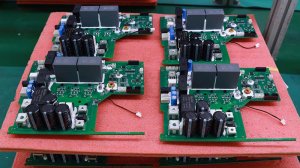
1.Key Considerations for Selecting PCB Substrates
FR-4 laminate is a commonly used PCB substrate, offering good mechanical strength and insulation properties. It is suitable for general-purpose applications such as consumer electronics and industrial control equipment.
High-TG (high glass transition temperature) boards offer superior high-temperature resistance and are suitable for products requiring higher reliability, such as automotive electronics and 5G equipment in high-temperature environments.
Aluminium-clad laminates offer excellent thermal conductivity and are suitable for products requiring thermal management, such as LED lighting and power modules in power-dense applications.
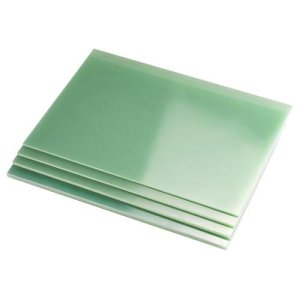
2.Key Considerations for Selecting Electronic Components
Capacitors and resistors must be selected with appropriate specifications based on operating voltage and frequency. For chips and ICs, priority should be given to brands with stable supply chains and reliable technical support. When selecting connectors and relays, durability and soldering reliability must be considered to prevent issues such as cold solder joints and loosening.
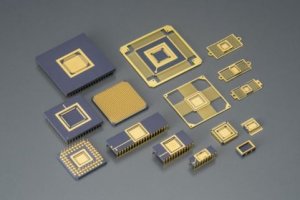
3. Key Considerations for Selecting Solder and Auxiliary Materials
Solder paste and solder wire must comply with environmental regulations such as the RoHS standard, and materials with suitable melting points and adhesion properties should be chosen. Adhesives and cleaning agents must ensure that components are securely fixed and surfaces are clean after soldering.
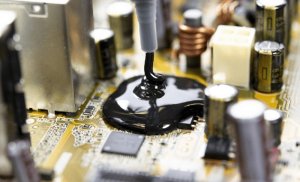
4.Considerations Regarding the Product’s Operating Environment
If the product operates in high-temperature or high-humidity environments, high-TG boards, high-temperature-resistant components and moisture-proof coatings must be selected. Environmental adaptability is the primary constraint in material selection.
5.Matching Electrical Performance Requirements
Select materials with suitable dielectric constants and electrical conductivity based on the circuit’s frequency and power. For high-frequency and high-speed applications, particular attention must be paid to signal integrity metrics.
6.Reliability and Lifespan Assurance
Durability is central to material selection for PCBA, particularly in high-standard industries such as automotive electronics and medical devices. Long-term reliability requires the use of high-reliability-grade components and enhanced protective processes.
7. Cost and Supply Chain Management
Whilst ensuring performance and quality, prioritise material suppliers with long-term supply stability to reduce overall production costs. Supply chain security and cost optimisation must be considered in tandem.
8. Certification and Regulatory Compliance
Ensure that material selections comply with relevant industry certification standards, such as UL certification, RoHS, REACH and other regulatory requirements. Compliance is the fundamental prerequisite for product market access.
9.Cost-Performance Balancing Strategies
For high-performance products, appropriately increase the proportion of high-quality components and specialised materials to enhance product reliability. For mass-market products, select cost-effective materials whilst meeting basic technical requirements. For new product pilot production, it is recommended to use mid-to-high-end materials from a stable supply chain to ensure product performance and market responsiveness.
Conclusion
PCBA material selection requires a comprehensive assessment of five key dimensions: application environment, electrical performance, reliability, cost and compliance. The key to avoiding failure lies not in blindly pursuing high performance or low cost, but in finding the optimal material combination suited to the product’s positioning, thereby achieving the best balance between performance, cost and supply chain stability.