
An Analysis of Small-Batch PCB Assembly Prototyping Services
Rapid prototyping is essential for the development of electronic products. Small-batch PCB assembly services offer flexible solutions for prototype validation and market testing.
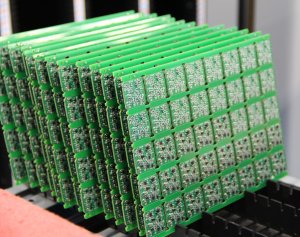
Definition of Small Batches and Typical Applications
Typically, 1–100 units are defined as a small batch. Suitable applications include: new product prototype validation, design change testing, academic and research projects, preparation of exhibition samples, and initial production for Kickstarter crowdfunding campaigns.
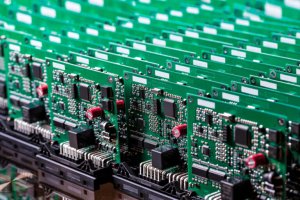
Core Capabilities of Rapid Prototyping
True rapid prototyping requires three key elements: a no-engineering-fee policy, a stock of commonly used materials, and flexible production line scheduling. Standard lead times are 5–7 days, whilst express services can be compressed to 48–72 hours. It is important to distinguish between ‘rapid’ and ‘hasty’ – shortening lead times should not come at the expense of necessary quality inspection procedures.
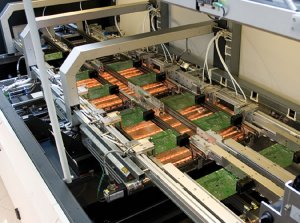
Differences Between Prototyping and Mass Production
The prototyping stage allows for higher unit costs, with the primary focus on verifying design accuracy. Factories typically charge a one-off non-recurring engineering (NRE) fee for stencil and program creation. Upon entering mass production, these costs are amortised, resulting in a significant reduction in unit price.

BOM Optimisation Recommendations
The prototyping BOM should include 1–2 alternative component options to prevent delays caused by stockouts of the primary component. Avoid using discontinued or hard-to-source components unless the mass production plan has been finalised. For standard resistors, capacitors and inductors, prioritise 0402 or 0603 packages to reduce procurement difficulties.
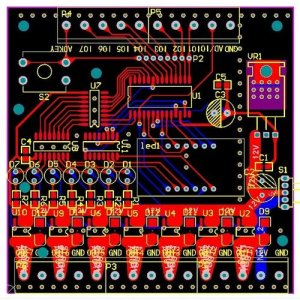
Key Points for Preparing Design Files
Provide complete Gerber files, BOMs, coordinate files and assembly drawings. Special requirements must be clearly stated in the notes, such as component placement restrictions in specific areas, manual soldering requirements or special packaging requirements. Incomplete files are the primary cause of prototyping delays.
Cost Breakdown Analysis
The total cost for small batches includes: PCB fabrication costs, component costs, SMT placement costs, testing costs and logistics costs. Placement costs are typically calculated per component; complex BGAs and QFNs have a higher unit price per component than standard components. Some factories impose a minimum order threshold for small batches; this must be confirmed in advance.
Factory Selection Strategy
Prioritise factories that support online quotation systems to obtain real-time pricing information. Assess whether they provide DFM feedback—identifying design issues during the prototyping stage is less costly than making modifications during mass production. Confirm that the factory supports rework and revision services, as prototypes typically require multiple iterations.
Transition from Prototyping to Mass Production
Select a PCB assembly factory that offers full lifecycle services. They will be familiar with your product design, eliminating the need to re-import processes during mass production and ensuring consistent quality. Establishing a long-term partnership also helps secure better pricing and lead time support.
Small-batch prototyping is the first step towards product success. Investing time in selecting the right service provider will lay a solid foundation for subsequent mass production.
Frequently Asked Questions (FAQ)
Q1: Can the same factory be used for both small-batch prototyping and mass production?
A: We strongly recommend this. The same factory is familiar with your design characteristics and process requirements, so there is no need to re-tune parameters during mass production, resulting in better quality consistency. Furthermore, following a long-term partnership, the factory will prioritise your production capacity and lead times.
Q2: Are NRE costs incurred during the prototyping stage refundable during mass production?
A: Some factories have an NRE refund policy: When a mass production order reaches a certain quantity (e.g. 1,000 units or a minimum value threshold), the NRE costs incurred during the prototyping phase are refunded. It is essential to confirm this policy and include it in the contract before signing.
Q3: Why does the unit price for prototyping appear to be significantly higher than for mass production?
A: The unit price for prototyping includes the allocation of NRE costs, a premium for small-batch material procurement (as volume discounts cannot be applied), and line changeover losses. Taking a 100-unit sample run as an example, the unit price may be 3–5 times that of a 1,000-unit mass production run; this is a normal industry practice.
Q4: Is the 48-hour express sample service reliable?
A: The 48-hour express service is only applicable to orders where all materials are available, the design is mature, and the process is simple. The factory must bypass the regular production schedule and arrange night shifts, which significantly increases costs. For first-time collaborations or complex designs, we do not recommend using the most urgent option to avoid quality risks.
Q5: Does the factory provide free rework if the prototype fails?
A: This depends on the cause of the failure. If it is due to a manufacturing issue (e.g. poor soldering, incorrect component placement), a reputable factory will provide free rework; if it is a design issue (e.g. BOM errors, Gerber files not matching requirements), rework will usually be charged. We recommend clearly defining liability clauses in the contract.