
PCB Cleaning and Contamination Control in Assembly
Modern assemblies look clean, yet invisible residues often decide whether a product survives in the field. PCB cleaning and contamination control is the discipline of removing these residues before they cause leakage currents, dendritic growth, or premature failure. It is a quiet factor that separates reliable electronics from those that fail mysteriously after months of service.
As assemblies shrink and voltages drop, even trace ionic contamination becomes enough to cause malfunction. What was once acceptable on a large through-hole board can be fatal on a dense, low-voltage design, which is why cleaning has moved from optional to essential.
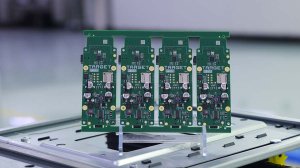
Where Contamination Comes From
The dominant source is soldering flux. Even no-clean formulations leave a thin film that, under humidity and bias, can become conductive over time. Handling introduces oils and salts from skin, while the environment adds dust and fibers that trap moisture against conductors.
Component packages and bare boards also carry residues from manufacturing. A disciplined PCB assembly manufacturer controls these inputs at receiving inspection, because preventing contamination is cheaper than removing it after the fact, and some residues are far harder to clean once cured.
Cleaning Processes Compared
Aqueous cleaning uses deionized water with mild saponifiers and is the most thorough, ideal for high-reliability and military work. It demands drying control to avoid trapped water and adds wastewater treatment burden. Solvent cleaning, including modern engineered solvents, cleans well with lower energy but requires careful selection for safety and environmental compliance.
Semi-aqueous methods blend a solvent carrier with water rinse, balancing effectiveness and cost. The right choice depends on the flux chemistry, the board’s sensitivity, and local regulations, and a capable one-stop PCBA solution helps match process to product rather than defaulting to a single line.
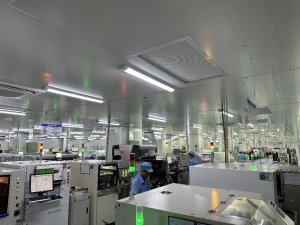
No-Clean Versus Wash
No-clean flux was designed to leave a benign residue that need not be removed, which suits many commercial products and saves cost. But in high-humidity, high-voltage, or high-reliability contexts, even benign residue can cause trouble, and washing becomes the safer path despite the added step.
Cleanliness Verification
You cannot manage what you do not measure. Resistivity of solvent extract, often called the ROSE test, quantifies ionic contamination in a standardized way, while ion chromatography identifies specific ions responsible for corrosion. Surface insulation resistance testing on coupons reveals whether residues will cause leakage in actual service.
These tests confirm a process is under control and catch drift before it reaches customers. A mature line samples regularly and documents results, turning cleaning from a hopeful step into a verified one.
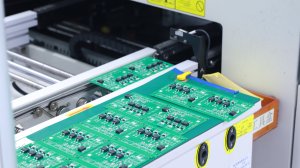
Preparing for Conformal Coating
Coating over contamination traps defects beneath the film, where they fester unseen. Cleaning must precede coating, and the board must be dry and residue-free so the coating adheres and performs. Skipping or weakening this step is a leading cause of coating failures in harsh environments.
Handling after cleaning matters too. Clean boards should move into coating or packaging with minimal exposure, using gloves and controlled storage to avoid recontamination that undoes the cleaning effort.
Practical Cleaning Checklist
Define the contamination budget for the product, select flux and cleaning chemistry accordingly, validate with extraction and insulation-resistance tests, control drying, and verify annually that the process still meets spec. Small disciplined steps keep boards clean and field returns low across the product lifetime.