China & Thailand PCBA manufacturing support
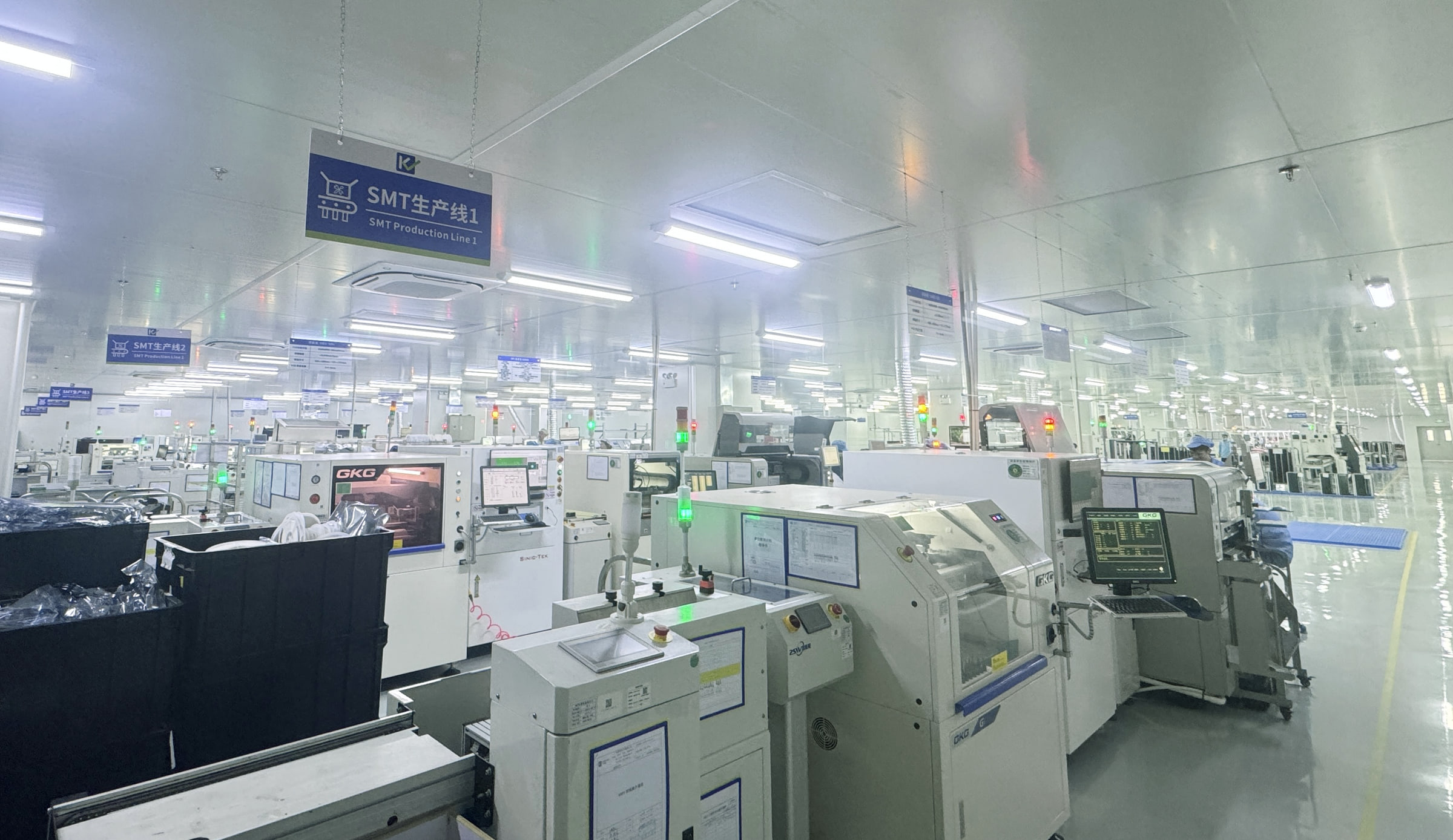
KeepBest SMT assembly production line

From released files to assembled boards

PCB Assembly from Released Files to Accepted Boards

Align your board files, BOM, sourcing model and acceptance requirements before assembly. Review open questions, the proposed process route and the evidence needed to release your build.

KeepBest company photograph
One visible build pathFour gates keep the project moving.
01Review02Source03Build04Prove
01
Fewer supplier handoffsFabrication, sourcing and assembly stay within one coordinated project.
02
Risks surfaced earlierFiles and BOM are reviewed before the production route is confirmed.
03
Quality planned up frontInspection and testing follow agreed product requirements.

Start from the customer problem

What is making this build difficult?

Choose the risk closest to your situation. The page responds with what to send, what KeepBest checks and what you should expect back—before asking you to complete a form.

Recommended next step

The design is not ready for production

Engineering starts by checking whether the files, stack-up, land patterns, panel approach and assembly assumptions can support a stable build.

What to sendGerber, BOM, drawings and target quantity
What you get backOpen questions, DFM/DFMA observations and a proposed production route
See the four build gates

No data is sent at this stage. The selected concern is only added to the local quote form.

Read the four build concerns, requested inputs and review outputs

The design is not ready for production

Engineering starts by checking whether the files, stack-up, land patterns, panel approach and assembly assumptions can support a stable build.

What to send: Gerber, BOM, drawings and target quantity

Review output: Open questions, DFM/DFMA observations and a proposed production route

The BOM contains sourcing or lifecycle risk

The sourcing review connects manufacturer part numbers, approved alternatives, availability and ownership before material release.

What to send: BOM with MPN, approved alternates and sourcing responsibility

Review output: Clarified sourcing model, BOM questions and material assumptions

The board needs more than a standard SMT route

Mixed SMT, THT, hand soldering, programming, coating or box-build steps are sequenced around the product—not forced into a generic package.

What to send: Assembly drawings, special-process notes and product requirements

Review output: Recommended process sequence, tooling needs and quality checkpoints

The acceptance and test plan is incomplete

Inspection and test coverage is discussed against component risk, hidden joints, functional requirements and the agreed release criteria.

What to send: Test specification, critical functions and acceptance requirements

Review output: Proposed inspection coverage, test assumptions and release evidence

Choose the assembly route

Four routes. One coordinated build.

Select the production route closest to your product. Engineering confirms the final process after reviewing the board, BOM, volume, test plan and acceptance requirements.

Selected route

Surface mount assembly for dense, repeatable builds

Automated solder paste printing, placement, reflow and optical inspection support prototypes through repeat production.

Package-specific feasibility reviewBGA / QFN supportSPI + AOI
Explore this assembly route →
Read all four assembly routes and their service links

Surface mount assembly for dense, repeatable builds

Automated solder paste printing, placement, reflow and optical inspection support prototypes through repeat production.

  • Package-specific feasibility review
  • BGA / QFN support
  • SPI + AOI
Read the related assembly service →

Through-hole assembly for strength and special components

Manual or selective processes support connectors, transformers and components that require mechanical retention or cannot use SMT.

  • Manual insertion
  • Wave / selective soldering
  • Visual inspection
Read the related assembly service →

Mixed technology for boards that need both SMT and THT

A controlled sequence connects surface mount and through-hole operations so both component types can be produced and inspected within one build plan.

  • SMT + THT sequence
  • Shared traceability
  • Project-specific routing
Read the related assembly service →

Box build takes the PCBA into a finished product

Enclosures, wiring, mechanical parts, programming and functional checks can be connected to the assembled board for a more complete handoff.

  • PCBA integration
  • Cable + enclosure
  • Functional verification
Read the related assembly service →

Assembly capability

Check the technical fit early.

These values provide an initial planning reference. Actual feasibility, capacity and schedule are confirmed against the files and project requirements.

Prototype through production

Capability matters when it matches the design.

Send the Gerber, BOM and build requirements so engineering can confirm package, panel, process and inspection needs.

Project-specific capability review

Use the full capability page for a deeper technical review.

Minimum orderQuantity and setup reviewed for the order
Board typesRigid, flexible and rigid-flex PCB
Assembly typesSMD, through-hole, BGA, micro-BGA, QFN and mixed technology
Board sizeBoard / panel dimensions reviewed against drawings and proposed line
Quality referenceAgree IPC-A-610 class and applicable workmanship criteria
Minimum packagePackage dimensions, land pattern, handling and inspection reviewed from the release
BGA capabilityExact package, ball / pitch geometry and hidden-joint inspection need engineering confirmation
Production capacityConfirmed per program after engineering and material review
Board dimensions, component mix, panel design, materials, fixtures and test coverage can change the final production route.
Original webpage historical assembly parameters · current applicability unverified

Historical values reproduced from the original PCB Assembly webpage. The current manufacturing site, equipment, configuration and acceptable limits have not been verified for these values. Original board-range conflicts remain pending engineering confirmation. These are reference parameters, not order commitments.

Capability topicOriginal webpage historical value
Minimum order1 piece
Board typesRigid, flexible and rigid-flex PCB
Assembly typesSMD, through-hole, BGA, micro-BGA, QFN and mixed technology
Board size50 × 50 mm to 610 × 510 mm
Quality referenceIPC-A-610
Minimum package01005 (0.4 × 0.2 mm)
BGA capabilityMinimum ball diameter 0.14 mm; minimum pitch 0.2 mm
Production capacityConfirmed per program after engineering and material review

The proposed facility, line, package and inspection plan must match the accepted order. Historical parameter conflicts remain pending current engineering confirmation.

Quality checkpoints

Inspection follows the product through the line.

Select a checkpoint to see where quality feedback enters the process. The exact inspection and test plan is agreed for each build.

Checkpoint 01

Incoming quality control

PCBs, components and production inputs are checked before they are released to the assembly line.

Read the inspection and test planning notes

Incoming quality control

PCBs, components and production inputs are checked before they are released to the assembly line.

3D solder paste inspection

Paste volume, height, area and position can be checked before component placement continues.

Automated optical inspection

AOI checks visible assembly conditions and feeds inspection results back into process control.

X-ray inspection

X-ray inspection supports review of hidden solder joints, including BGA and other bottom-terminated components.

Functional and project-specific testing

Fixtures, programming and functional checks are defined around the product requirements and agreed acceptance criteria.

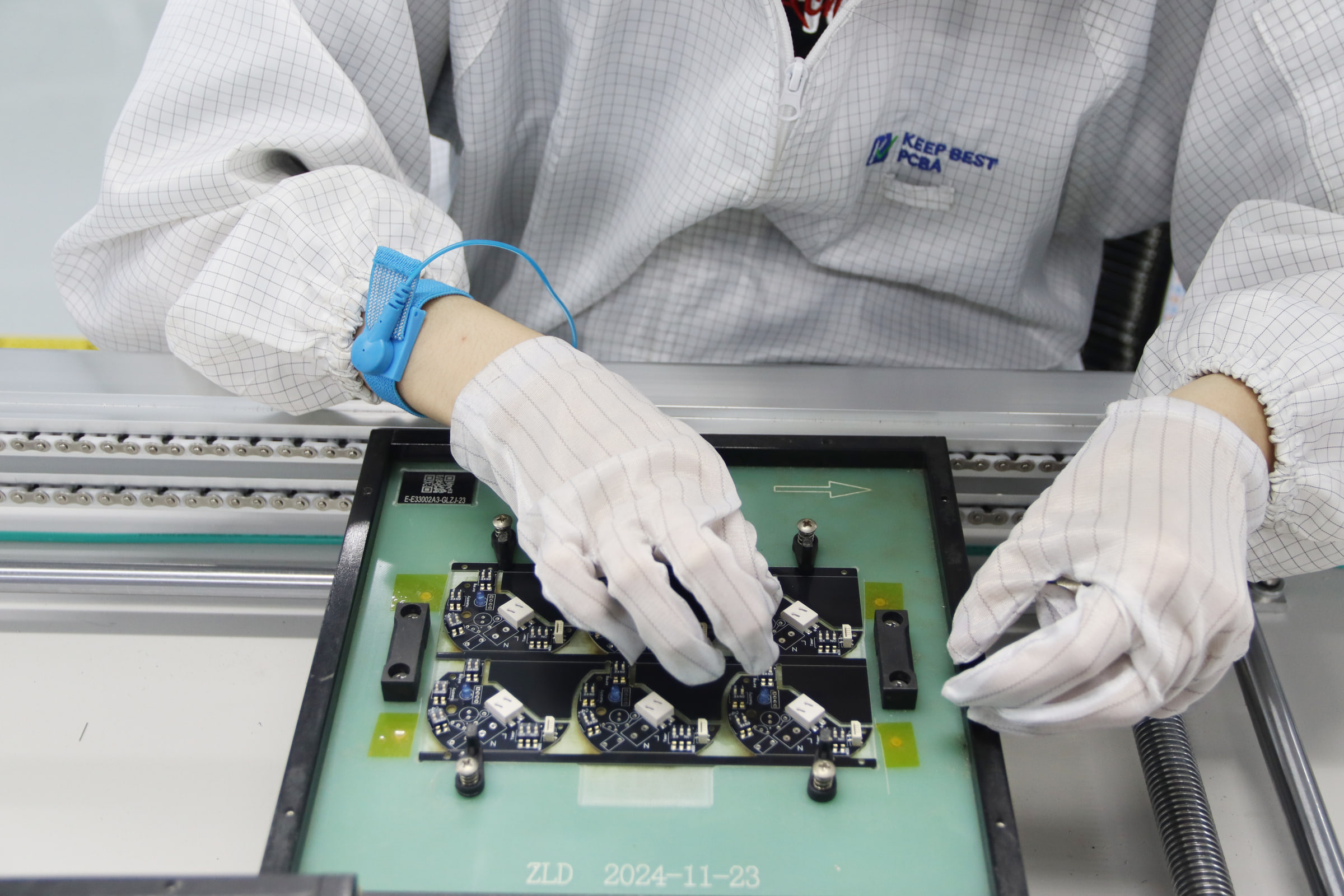
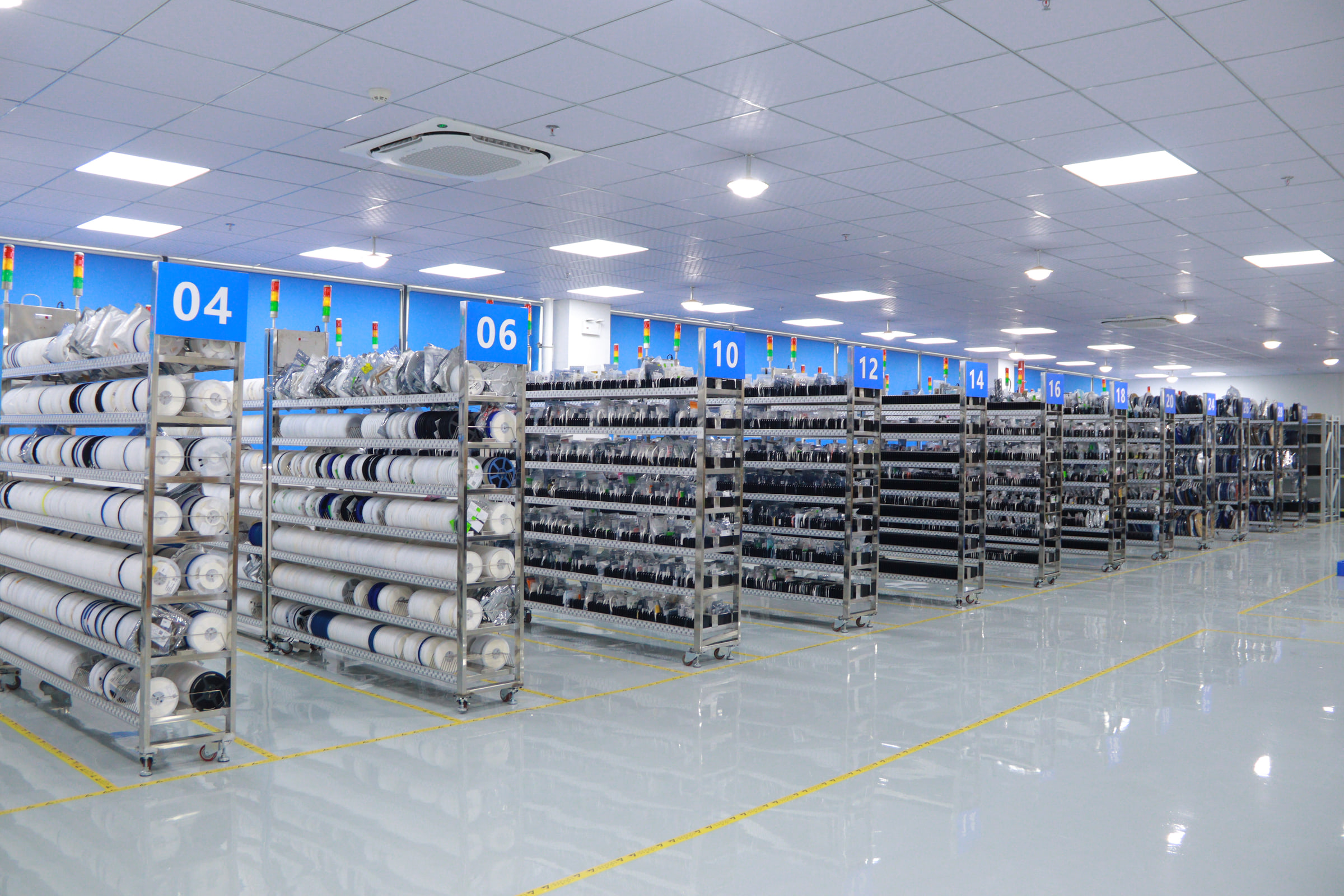
Company production photographs illustrate the work areas. Inspection and functional-test methods are defined separately in the approved project plan.

The KeepBest build path

Four gates. One accountable project.

Each gate answers a different customer question. Select a gate to see what is decided before the project moves forward.

Selected build gate

Gate 01 — Review the build before committing it

Gerber, BOM, drawings, quantity and acceptance requirements are aligned so unanswered questions are visible before production planning.

File completenessDFM / DFMA questionsScope assumptions
Read the four project gates and release checks

Gate 01 — Review the build before committing it

Gerber, BOM, drawings, quantity and acceptance requirements are aligned so unanswered questions are visible before production planning.

  • File completeness
  • DFM / DFMA questions
  • Scope assumptions

Gate 02 — Secure boards and components against the plan

PCB fabrication, component responsibility, approved alternates and incoming checks are connected before material release.

  • PCB fabrication
  • BOM sourcing
  • Incoming quality control

Gate 03 — Build through the approved process route

SMT, THT, mixed assembly, programming and special operations follow the agreed sequence with in-process feedback.

  • SMT / THT sequence
  • Programming
  • In-process inspection

Gate 04 — Prove the assembly against release criteria

AOI, X-ray, functional checks and final release evidence are matched to the agreed product and acceptance requirements.

  • Inspection coverage
  • Functional verification
  • Release record

What the customer receives

See the decisions behind an assembly quotation.

A useful quotation makes the build assumptions visible. That helps engineering and purchasing compare scope, risk and responsibility before approval.

Project decision record

One place for the build logic.

Use the following example to distinguish a finding, customer decision, quotation assumption and release status.

PCB Assembly ReviewEXAMPLE FORMAT
01

Build assumptions

Files, quantities, responsibilities and unresolved questions are visible.

02

BOM responsibility

Turnkey, partial turnkey or consigned material ownership is clarified.

03

Process & quality route

Assembly, inspection and testing requirements are connected.

04

Commercial scope

Quotation and schedule assumptions match the reviewed project scope.

Example assembly review format · Example fields for discussion; the accepted order defines scope and records.

Swipe or scroll to compare columns

Example review questionCustomer decisionQuotation / release record
Connector orientation differs between drawing and placement dataApprove the intended RefDes orientation and matching file revisionOpen question until response; price and route assume the approved release.
A critical IC is customer-suppliedApprove kit quantity, arrival and shortage ownershipList supplied BOM line and unresolved material status.
Functional coverage has no released procedureDefine development or supply a procedure and limitsQuote test scope separately; do not mark functional acceptance complete.

This format illustrates questions and status fields. It is not a completed customer review. Agree the actual reply format and records with the project team.

Certifications

Review the document scope for this build.

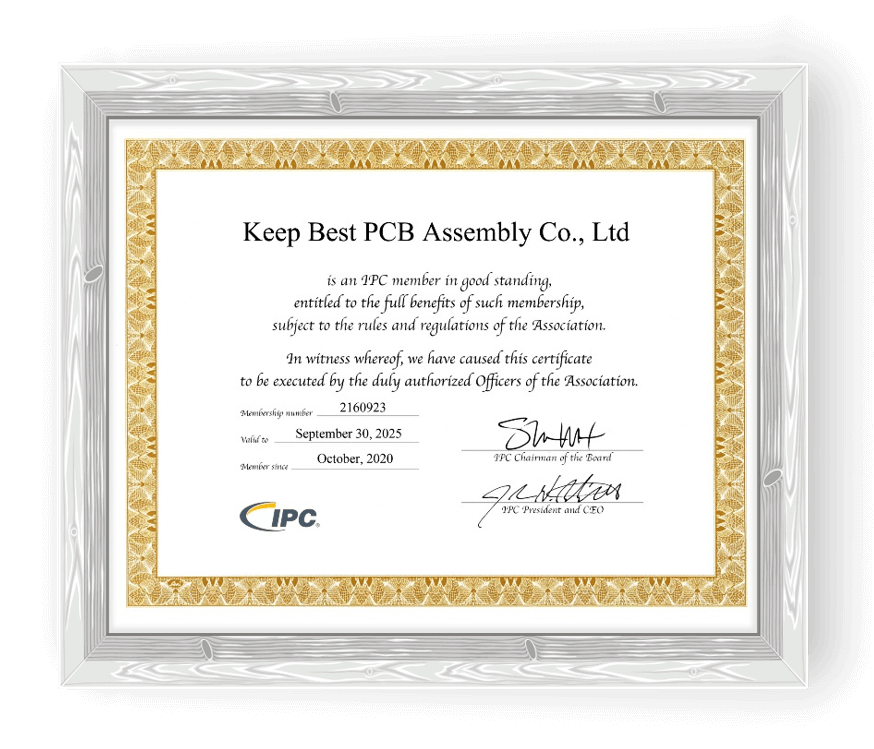
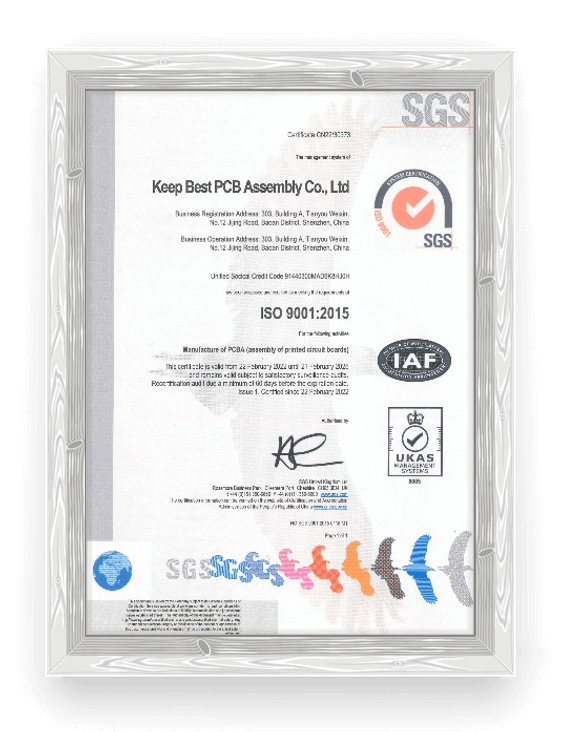
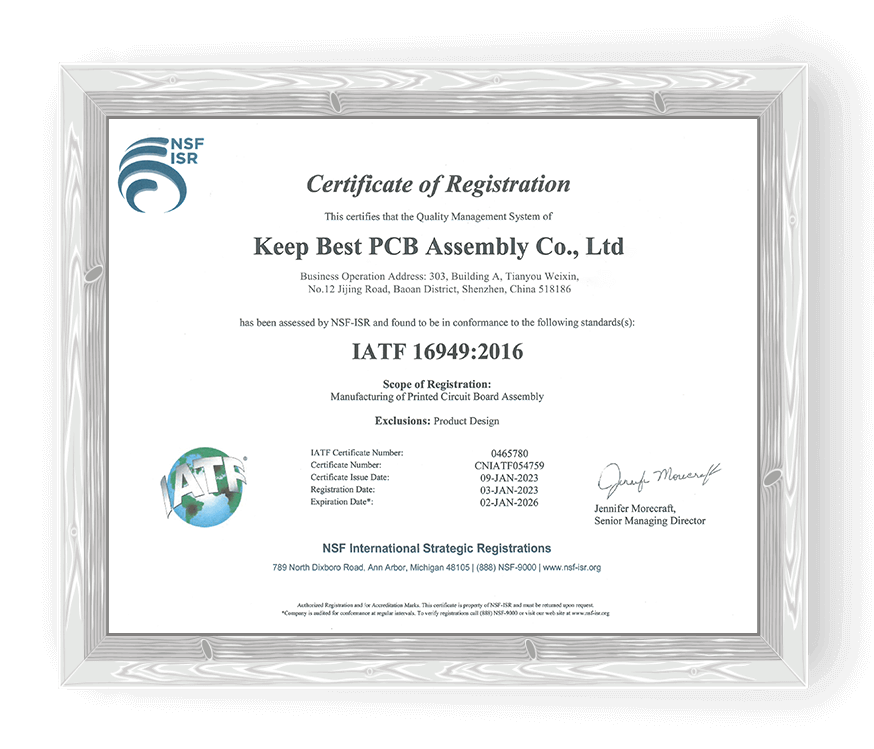
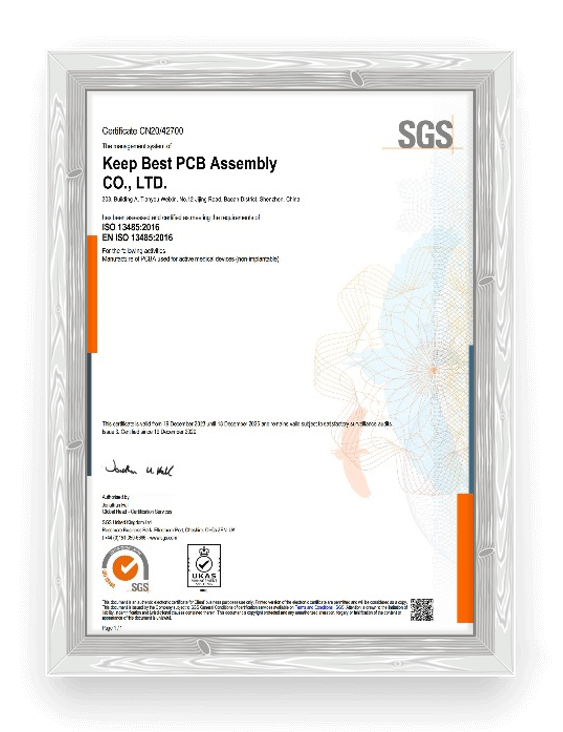
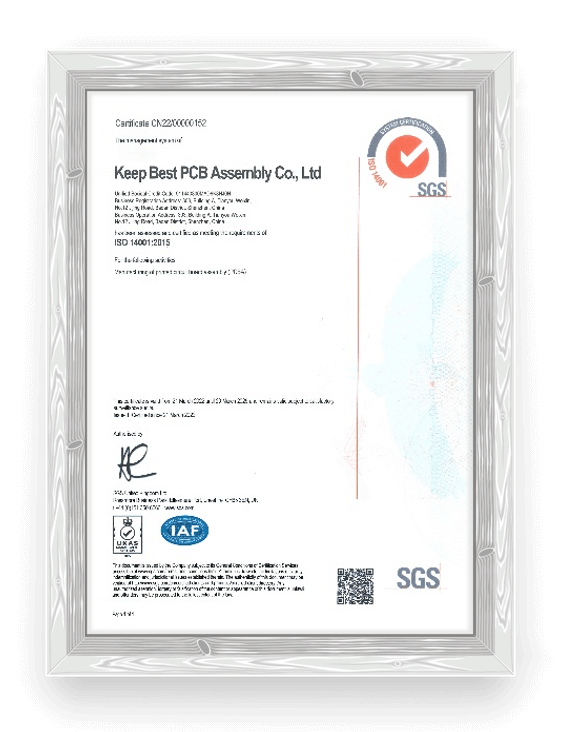
These displayed document copies are reference material. Request current validity, contracting entity, facility and relevant scope for your project; a document copy does not establish every order’s qualification.

IPC membership certificateIPC MembershipMembership document · current status to confirm
ISO 9001 certificateISO 9001Quality management system
IATF 16949 certificateIATF 16949Historical displayed copy · current status to confirm
ISO 13485 certificateISO 13485Medical device quality system
ISO 14001 certificateISO 14001Environmental management system
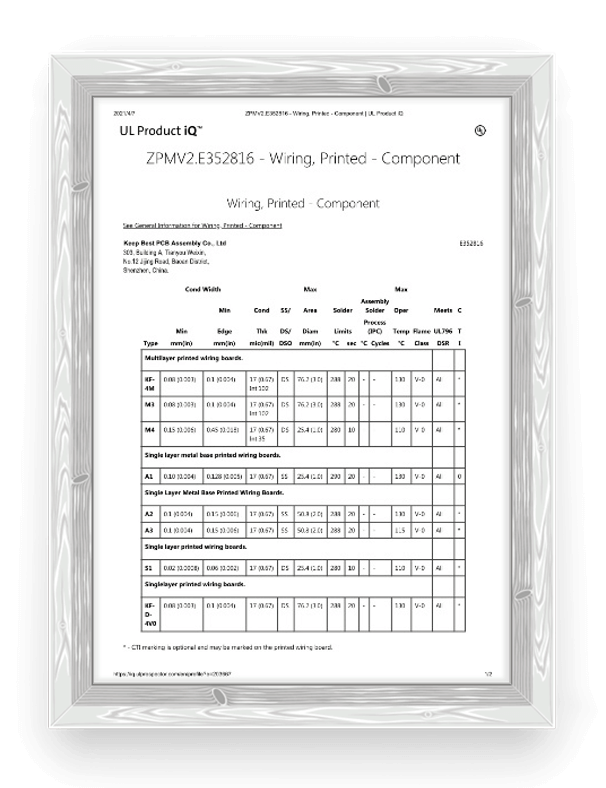
UL E352816 certificateUL E352816UL recognition

Application support

Assembly for products with different priorities.

Each market brings different documentation, traceability, inspection and testing expectations. Start from the application, then define the build plan.

PCB assembly FAQs

Questions before requesting a quote.

Quick answers retained for purchase and engineering teams, with deeper links where useful.

View all FAQs
Do you support prototype and low-volume PCB assembly?

Share the required prototype or low-volume quantity. The minimum practical build, setup costs, material commitments and route are confirmed after review.

What is included in turnkey PCB assembly?

Turnkey service can connect PCB fabrication, component sourcing, assembly, programming, inspection, testing, packaging and delivery. The exact scope is confirmed in the quotation.

What are the advantages of turnkey PCB assembly?

A coordinated supplier can reduce handoffs between fabrication, sourcing and assembly while keeping technical communication and issue ownership within one project team.

Which surface finishes can you support?

The appropriate PCB surface finish depends on the design, component mix, storage and assembly requirements. Share the files for engineering confirmation or review the PCB manufacturing service.

Start with the project files

Send a build-ready RFQ, not a blank enquiry.

Gerber, BOM and the choices from your project brief give engineering a better starting point for process, sourcing, inspection and quotation review.

One coordinated project handoffProject-specific assembly and test reviewClear assumptions before production

Send a project enquiry

* Required
    ZIP, Gerber/drill, CSV, XLSX or PDF · up to 10 files, 10 MB each, 20 MB total.
    Files are stored privately for project review.

    Get A Quote

    Fill in your requirement information and upload Gerber and BOM files, we will give you a quote within 24 hours.

    Get A quote

    Fill in your requirement information and upload Gerber and BOM files, we will give you a quote within 24 hours.