


SMT Preventive Maintenance Is a Direct Control on PCB Assembly Cost per Board
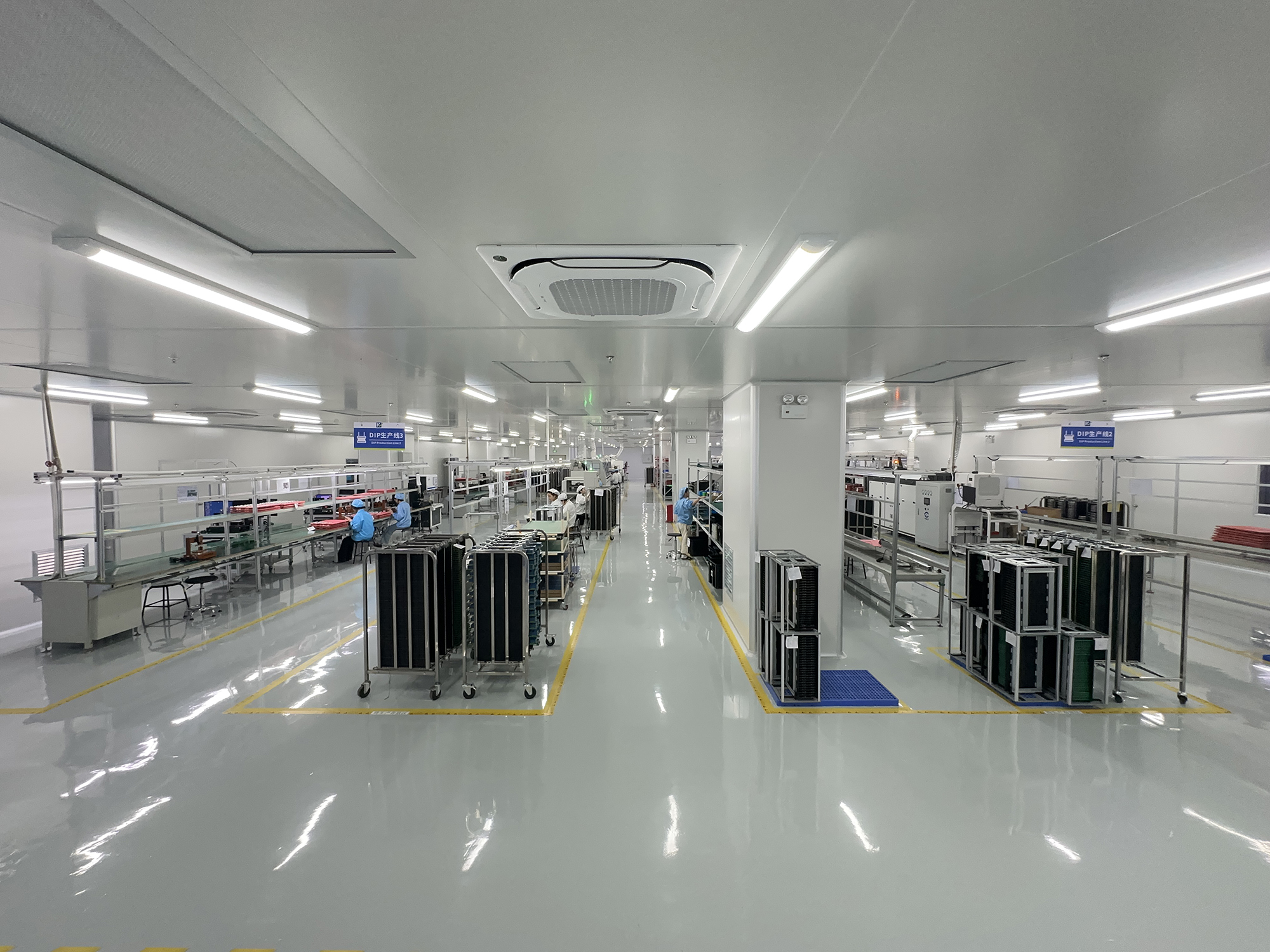
PCB assembly cost depends on board area, components, and labor rates, but the condition of the SMT line decides whether that theoretical cost is achieved. SMT preventive maintenance means planned inspection, cleaning, calibration, and part replacement that keep printers, placement machines, reflow ovens, and inspection stations inside their process windows. A printer depositing slightly less solder paste, a feeder shifting a 0402 component, or an oven losing airflow can each create defects discovered only after downstream operations have added value to the board. Disciplined maintenance turns these failures into small, budgeted tasks and protects first-pass yield across electronics manufacturing.
The economics are straightforward. A thirty-minute nozzle cleaning between lots costs a few minutes of line time; the same neglected nozzle can produce hundreds of skewed components requiring inspection and rework. Unplanned downtime also idles operators, holds work-in-process near exposure limits, and can force expedited freight when a bottleneck stoppage threatens a delivery window. Engineering time shifts from new product introduction to firefighting, often a larger loss than the repair itself. After a breakdown, placement offsets may need relearning and thermal profiles re-verifying before the line is trusted again.
Stencil Printer and Paste Checks Prevent Solder Defects That Drive Rework
Solder paste printing causes a large share of SMT defects. Aperture walls collect dried paste under fine-pitch QFN or 01005 patterns, quietly reducing deposit volume. Squeegee blades wear unevenly, separation speed drifts after belt service, and paste viscosity changes while panels wait in warm shop air. The result is bridging, insufficient solder, or head-in-pillow defects that are expensive to diagnose once components are placed. Cleaning materials, stencil wipes, and squeegee blades are inexpensive, but their condition governs the reliability of every joint downstream.
Tie cleaning frequency to solder paste inspection data rather than habit. A gradual volume drop in one panel area calls for an aperture check; random bridging points to squeegee edges, under-side cleaning, or support placement. Record the paste lot, cleaning interval, print pressure, and ambient conditions so process drift can be correlated with defect rates and cleaning adjusted by design density.
Printer maintenance also interacts with stencil design and panel support. A step stencil or nano-coated apertures release paste more consistently, but only if the underside stays clean and the board sits flat against the aperture plane. Warped panels or worn support pins create local gaps that produce a thin deposit regardless of squeegee settings. Checking the support scheme during maintenance, especially after a board revision, prevents a defect that would otherwise be blamed on the paste supplier.
Pick-and-Place Calibration and Feeder Care Protect First-Pass Yield in PCB Assembly
Placement systems lose accuracy through wear and handling. Nozzles collect flux residue, and a bent tip shifts placement by a fraction of a millimeter, enough to open a fine-pitch joint. A worn feeder drive advances tape off center; vision correction cannot fix a component that is rotated or tilted in the pocket. On dense assemblies these small errors become latent faults that pass visual inspection. Routine checks should be specific and auditable:
- Inspect and clean nozzles every shift; replace tips with visible damage.
- Verify feeder calibration and tape pitch at every setup.
- Check camera focus, lighting, and fiducial recognition after head service.
- Confirm placement force for fragile and moisture-sensitive components.
- Review placement offset trends before each high-volume release.
These checks are cheap compared with reworking a populated board, and they make defect trends trustworthy. When offsets stay narrow, engineers can attribute a fault to design, materials, or reflow rather than the machine, which is essential in high-mix production where frequent changeovers expose poorly maintained feeders. Feeder maintenance also affects production planning: a feeder that needs repeated recovery during setup consumes changeover time and invites manual handling errors, so retiring it is usually cheaper than tolerating the interruptions. Tracking setup time by feeder position helps identify the assets that deserve replacement first.
Reflow Oven Maintenance Keeps Solder Joint Quality and Energy Use Predictable
A drifted oven can ruin a well-printed, well-placed panel. Clogged filters or weakening blowers reduce airflow, creating cold joints in the thermal shadow of large parts and overheating small ones. Chain speed errors change time above liquidus without an alarm; flux residue on rails contaminates boards; slower cooling alters solder joint structure. Dirty heat exchangers and leaking nitrogen lines also raise utility costs while holding the same zone temperatures, a hidden addition to PCB assembly cost.
Verify zone setpoints, blower performance, conveyor speed, exhaust flow, and cooling capacity on a schedule. After oven service, conveyor adjustment, or a major product change, run a thermal profile with a production-like board and compare it with the approved window. Maintenance then becomes evidence that the process remains qualified for the assembly being built. Logs should follow individual zones rather than the oven as a single asset: a zone that repeatedly needs extra recovery time often indicates a blower or heater issue that will eventually create defects. Catching that pattern early costs a filter or a fan bearing instead of a batch of boards with inconsistent solder joints.
Inspection Calibration and Maintenance Records Protect the Yield You Measure
Inspection equipment defines what a factory believes about its own quality. Aged lighting, dirty lenses, or loosened AOI thresholds can report excellent yield while defects escape to customers; overly sensitive settings create false calls that send good boards to rework. Worn in-circuit test probes produce intermittent failures that consume diagnostic time and mask real faults. Run golden boards with known good and defective features at defined intervals, log camera cleaning and fixture inspections, and re-qualify programs after camera replacement or station movement.
Keep critical spares such as feeders, nozzles, squeegees, belts, filters, and sensors based on failure history rather than vendor catalogs. Record every intervention with the machine, symptom, action, parts, technician, and production impact. A qualified PCB assembly manufacturer uses this history during process planning, assigning demanding boards only to lines with verified capability. Shift-level operator checks shorten response time and turn small abnormalities into reports before defect batches form. Hidden-joint packages make this discipline more important: when optical inspection cannot see the solder connection, the factory relies on SPI, X-ray, and electrical test data, all of which are only as trustworthy as the calibration behind them.
A Simple Cost Model Shows Preventive Maintenance Paying for Itself in PCB Assembly
Compare three strategies over a year of similar volume: reactive repair, basic preventive maintenance, and a structured program with operator checks, scheduled calibration, and trend analysis. Exact figures depend on product mix and labor rates, but the direction is consistent across SMT operations.
| Cost element | Reactive repair | Basic preventive | Structured program |
|---|---|---|---|
| Planned maintenance spend | Very low | Moderate | Moderate to high |
| Unplanned line hours lost | High | Medium | Low |
| Scrap and rework from drift | High | Medium | Low |
| Engineering time on firefighting | High | Medium | Low |
| Cost per 1,000 good boards (index) | 100 | 88 | 79 |
The index excludes recovered delivery slots, avoided audits, reduced safety stock, and any field failure traced to a latent joint formed during a drifting process. For procurement teams comparing quotations, the lesson is clear: the lowest quoted assembly price is not the lowest total cost if the supplier’s maintenance discipline is weak. To apply the model, assign local rates to downtime hours, rework labor, and scrap material, then compare the result with the cost of the proposed maintenance program. If the numbers still favor reactive repair, check whether the estimate includes recovery inspections and customer-side returns; these are commonly omitted and are precisely where the savings disappear.
A Practical SMT Maintenance Schedule Balances Cost Against Production Risk
A good schedule catches drift early and is specific enough to execute without guesswork. Tighten it for fine-pitch, high-reliability boards and relax it only after data shows stability.
- Every shift: clean nozzles, inspect stencil condition, verify paste records, and review the first-article build.
- Weekly: check printer alignment, squeegee edges, oven filters, conveyor speed, and defect trends.
- Monthly: verify placement calibration, test critical feeders, and audit inspection programs against golden boards.
- Quarterly: run a full thermal profile, review spares use, and update the plan for new product mixes.
Restarting an idle line requires a full verification build, not an assumption that old settings still hold. Teams needing support across process design, assembly, and test often work with a one-stop PCBA solution so maintenance findings reach design and production decisions directly.
Summary
SMT preventive maintenance is a cost-control tool, not merely a technical routine. Downtime, drifting print volume, worn feeders, unstable ovens, and uncalibrated inspection all convert into scrap, rework, and missed deliveries; planned checks are cheaper than the failures they prevent.
The strongest programs combine shift-level checks, scheduled calibration, evidence-based spares, and records reviewed against defect trends. The result is a stable process and a predictable PCB assembly cost per good board.
FAQ
How often should SMT placement equipment be calibrated?
High-mix lines with frequent changeovers benefit from monthly verification and a first-article check after setups involving fine-pitch parts. Stable, larger-pitch lines can extend the interval, but calibration should always follow head service or a sustained placement-offset trend.
Does preventive maintenance reduce cost for short production runs?
Yes. Short runs change setups often, where feeder and nozzle problems create trial boards and manual corrections. Preventive maintenance reduces that waste and makes each changeover faster and more repeatable.
Which SMT failures cause the most expensive defects?
Printing drift and placement inaccuracy usually cost most because they affect many boards before detection and can leave latent joints. Oven airflow or conveyor faults are also expensive since cold joints may pass visual checks and fail later.
What should a maintenance record include?
Log the machine, symptom, action, parts replaced, technician, and lost production minutes. Link entries to inspection and test data to predict failures and adjust check intervals based on evidence.
Can maintenance run without stopping the whole line?
Many tasks fit into changeovers: nozzle cleaning, stencil checks, feeder verification, and filter inspection. Work needing machine access or requalification belongs in a planned window so the resulting data stays valid for release.