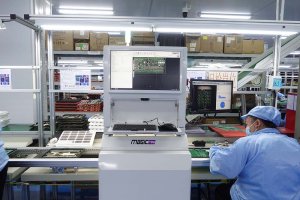
Visual inspection is an indispensable quality control step in PCBA production, spanning key stages of both SMT and DIP production lines. This article provides a detailed explanation of the six major visual inspection stages—after solder paste printing, after component placement, after reflow soldering, before through-hole insertion, after through-hole insertion, and after wave soldering—and elaborates on the important role of visual inspection in three areas: rapid defect detection, improving yield rates, and reducing costs.
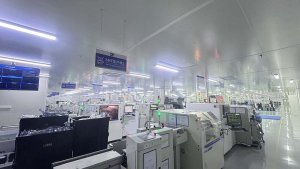
1.Visual Inspection Points on the SMT Production Line
Inspection After Solder Paste Printing:
A visual inspection is conducted after solder paste printing is complete to confirm that the solder paste evenly covers the pads, preventing issues such as insufficient or excessive solder paste, or printing misalignment.
Inspection After Component Placement:
After SMT equipment places components onto the PCB, a manual visual inspection is performed to verify that there are no missing, misplaced, misaligned, or inverted components. This step is critical for ensuring component accuracy.
Post-Reflow Soldering Inspection:
A visual inspection is conducted after reflow soldering to verify that solder joints are complete and secure, and to check for defects such as cold solder joints, cold solder, or bridging.
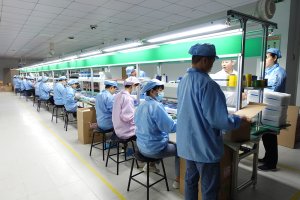
2.Visual Inspection Points on the DIP Production Line
Pre-Insertion Inspection:
A visual inspection is performed before components are inserted into the PCB to ensure that the component type, specifications, and polarity meet production requirements.
Post-Insertion Inspection:
An inspection is conducted after component insertion but before soldering to ensure correct insertion depth and component positioning, thereby preventing misinsertion or omissions.
Post-Wave Soldering Inspection:
A visual inspection is performed after wave soldering to verify that solder joints are full and free of defects such as voids, solder bridges, or cold solder joints, ensuring consistent soldering quality.
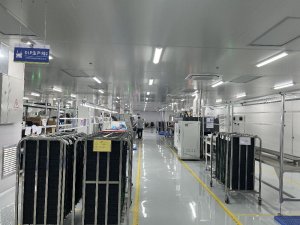
3.The Core Value of Visual Inspection
Rapid Defect Detection:
Manual visual inspection offers high flexibility and can quickly identify subtle issues that automated equipment may miss.
Improved Product Yield:
Visual inspection screens out defective products, ensuring that only compliant products proceed to the next process.
Reduced Production Costs:
Timely detection and correction of issues reduce rework and repair costs, thereby improving overall production efficiency.
Conclusion
The importance of visual inspection in PCBA production cannot be underestimated. It not only enables the timely detection of issues during production but also prevents defective products from entering subsequent processes, thereby reducing rework and waste. Integrating visual inspection with automated inspection methods such as AOI and ICT to establish a collaborative human-machine quality control system is the key path to achieving the goal of zero defects in PCBA production.