
How to Eliminate SMT Component Waste at Source?
The wastage of electronic components directly impacts SMT product quality and production costs. This article analyses the causes of wastage from four perspectives: equipment factors, human error, material packaging and process parameters. It also proposes key control measures across four dimensions—material management, equipment maintenance, staff training and inspection systems—to help enterprises reduce costs and improve efficiency.
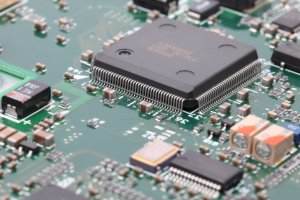
1.Main Causes of Electronic Component Waste
Equipment Factors: Insufficient equipment precision, ageing due to prolonged use, improper maintenance, or inaccurate parameter settings can all lead to feeding errors in placement machines and component placement deviations, thereby causing waste.
Human Operational Errors: During production, a lack of training or non-standardised procedures on the part of operators—such as improper tape loading, label confusion, or incorrect operational procedures—can easily result in the incorrect placement or damage of components.
Issues with the Components Themselves and Packaging: Certain components are prone to oxidation, moisture absorption or electrostatic damage due to inappropriate packaging, excessive humidity in storage environments or inadequate electrostatic protection, which affects subsequent placement quality.
Process Parameter and Procedure Defects: Issues with process parameters, such as uneven solder paste printing or inappropriate placement pressure and speed settings, may cause inaccurate component positioning and increased wastage during the placement process.
2.Rigorous Material Management and Warehouse Control
Standardised Material Inspection and Receipt: Conduct rigorous quality inspections and quantity checks on incoming materials to ensure packaging integrity and prevent non-conforming products from entering the production line.
Scientific Warehouse Management: Manage inventory according to the first-in, first-out (FIFO) principle and monitor warehouse temperature and humidity in real time to ensure components are stored in a dry, anti-static environment. Additionally, establish a clear material identification system to prevent wastage caused by material mix-ups.
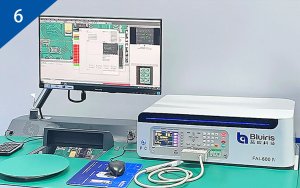
3. Equipment Maintenance and Process Parameter Optimisation
Regular Maintenance and Calibration: Ensure that key equipment, such as SMT placement machines and feeders, undergoes regular maintenance and calibration to keep the equipment in optimal condition, thereby reducing component wastage caused by equipment failure.
Precise Management of Process Parameters: Set placement speed, pressure and angle appropriately according to the characteristics of different components, and regularly inspect solder paste printing stencils to ensure uniform and precise printing, thereby reducing the risk of wastage at source.
4.Enhancing Operator Skills and Standardised Operations
Professional Skills Training: Conduct regular, systematic training for operators to familiarise them with equipment operating procedures, material loading protocols and inspection standards, thereby reducing component wastage caused by human error.
Strict Implementation of Standard Operating Procedures: Develop and implement detailed work instructions, clearly define responsibilities at each stage, and enforce first-piece inspection, self-inspection, mutual inspection and patrol inspection systems to ensure strict quality control at every stage of the process.
5.Introducing Advanced Inspection Systems and Data Feedback
Application of Automated Inspection Equipment: Introduce automated inspection equipment such as AOI (Automated Optical Inspection) and SPI (Solder Paste Inspection) onto production lines to monitor placement quality in real time, enabling the timely detection and correction of issues.
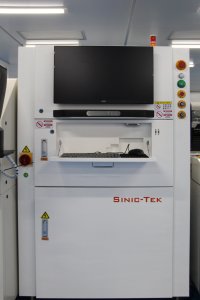
Data-Driven Management and Continuous Improvement: Utilise systems such as MES to collect production data, analyse and provide feedback on key process parameters and wastage figures, and promptly adjust and optimise processes to create a virtuous cycle of continuous improvement.
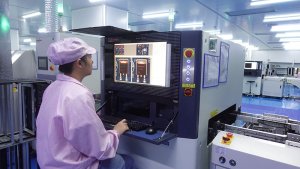
Conclusion
By improving materials management, strengthening equipment maintenance, optimising process parameters, enhancing operator skills, and introducing automated inspection systems, it is possible to effectively reduce the wastage of electronic components in SMT production. This not only helps to improve product quality and production efficiency but also enables enterprises to save costs and enhance their core competitiveness in the face of fierce market competition.