
First-article inspection involves a comprehensive inspection of the first fully assembled sample board at the start of PCBA mass production; mass production only commences once compliance with design requirements and process standards has been confirmed. This article analyses the key focus areas of first-article inspection in terms of component accuracy, soldering quality, electrical performance and visual inspection, and outlines its core value in improving product quality, enhancing production efficiency, meeting customer requirements and reducing costs.
1.The Core Concept of First-Article Inspection
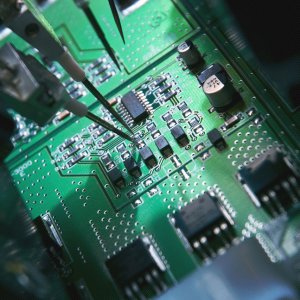
First-article inspection refers to the comprehensive inspection of the first fully assembled sample board at the start of PCBA mass production to confirm that it meets design requirements and process standards. Only after confirmation is mass production of subsequent boards permitted. The core objective of first-article inspection is to identify potential issues through the inspection of the first sample, thereby preventing defective products from entering the mass production process.
2.Key Focus Areas of First-Article Inspection
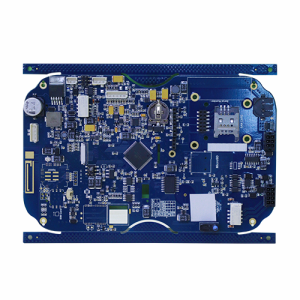
Accuracy of components: Verify that components are correctly installed in their designated positions, including whether the model, specifications and polarity match those on the design drawings.
Soldering quality: Confirm the strength and reliability of solder joints, checking for soldering issues such as cold solder joints or short circuits.
Electrical performance testing: Ensure that the circuit board meets design requirements in terms of electrical performance, such as key indicators including voltage, current and signal transmission.
Visual inspection: Check that the board’s appearance meets standards, ensuring there are no obvious scratches, dirt or damage.
First-article inspection is not merely a technical requirement; it is a crucial step in safeguarding the quality and efficiency of mass production. Acting as an initial quality control measure, it enables the timely detection of potential defects, prevents defective products from entering the market and reduces production costs.
3.Improving Product Quality and Avoiding Defects
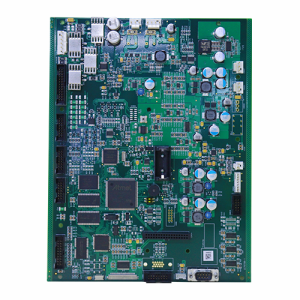
In PCBA manufacturing, first-article inspection serves as the first line of defence in ensuring product quality. Without it, once mass production commences, any manufacturing error can result in a large number of defective units. Even a single misplaced component or soldering issue can cause the entire circuit board to fail.
4.Enhancing Production Efficiency and Reducing Rework
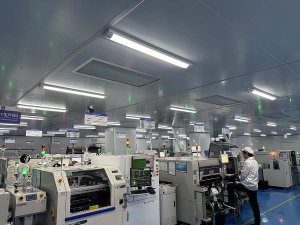
Rework in PCBA manufacturing is not only time-consuming but also increases costs. First-piece inspection can significantly reduce the incidence of rework. Once the first-piece inspection has been confirmed as passed, the production line can operate stably in accordance with the established parameters, thereby improving production efficiency. Conversely, without first-piece inspection, production must be suspended for modifications and debugging once problems are discovered, severely impacting production capacity. For example, during a particular batch production run, a component misalignment issue in the design drawings was identified through first-piece inspection; timely adjustments prevented wasteful rework in subsequent batch production.
5.Ensuring Accuracy of Customer Requirements
The first-article inspection process typically includes a customer verification stage, during which the customer works with engineers to confirm the specifications of the sample board. This stage ensures that the product aligns with the customer’s expectations, preventing discrepancies from arising after mass production and reducing communication costs and losses due to modifications.
6.Cost Savings and Waste Reduction
The defect rate during the PCBA manufacturing process is a key factor affecting production costs. By acting as a quality control measure prior to mass production, first-article inspection reduces the number of non-conforming products, thereby lowering the rework rate and saving on material and labour costs. Research indicates that first-article inspection can reduce the defect rate to below 1 per cent, significantly minimising material wastage and production costs.
Conclusion
First-piece inspection is a crucial step in preventing mass production incidents during PCBA manufacturing. By comprehensively validating the first-piece sample prior to mass production, potential issues can be identified and rectified in a timely manner, effectively improving product quality, enhancing production efficiency, ensuring customer requirements are met, and saving costs. Incorporating first-piece inspection into standardised production processes is the fundamental guarantee for PCBA enterprises to achieve lean manufacturing and zero-defect quality objectives.