
Global supply chain volatility is intensifying, with frequent chip shortages, logistics disruptions and geopolitical risks. This article analyses the key risk areas in the PCB assembly supply chain, as well as the risk mitigation strategies that companies can adopt.
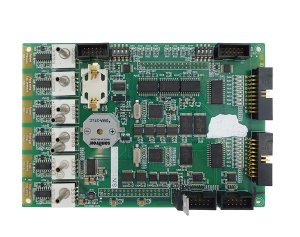
Types of Supply Chain Risks
1.The electronics manufacturing supply chain faces multiple risks:
2.Supply disruptions: natural disasters, factory fires, pandemic-related lockdowns
3.Sharp price fluctuations: chip speculation, rising raw material prices
4.Quality issues: counterfeit goods, refurbished components, poor batch consistency
5.Logistics delays: port congestion, insufficient shipping capacity, customs clearance delays
6.Geopolitical factors: export controls, tariff changes, sanctions lists
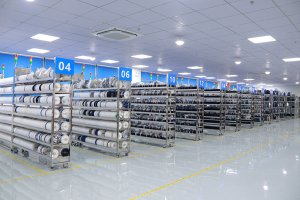
Strategies for Addressing Chip Shortages
The chip crisis of 2020–2023 exposed vulnerabilities in the supply chain.
Response strategies: Establish safety stock (typically 2–4 weeks’ supply), source from multiple suppliers (at least two qualified suppliers), secure production capacity in advance (Long-Term Agreements), and evaluate domestic alternatives.
Component Certification and Anti-Counterfeiting
Counterfeit components pose a serious quality risk.
Anti-counterfeiting measures: Procure only from authorised distributors or original manufacturers; require a Certificate of Conformance (COC); implement Incoming Quality Control (IQC) including X-ray and electrical parameter testing; and establish a supplier blacklist.
Supplier Assessment System
A systematic supplier assessment reduces partnership risks.
Assessment criteria: financial stability, production capacity flexibility, quality track record, on-time delivery rate, technical capability, and geographical location (to diversify risk).
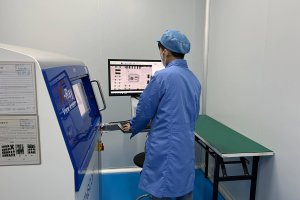
Inventory Optimisation Model
Inventory serves as a vital buffer against risk, but must be balanced against capital tied up.
Optimisation methods: ABC classification management (high safety stock for critical materials), VMI (Vendor-Managed Inventory), a combination of JIT (Just-In-Time) and buffer stock, and demand forecasting models.
Business Continuity Plan (BCP)
A comprehensive BCP ensures rapid recovery in the event of an emergency.
Plan components: alternative sourcing options for critical materials, a list of backup suppliers, contingency logistics channels, and a cross-departmental response team.
Supply chain risk management is a systematic process requiring collaboration between the procurement, engineering, quality and finance departments. Selecting a PCB assembly factory with a mature supply chain management system allows some risks to be transferred to specialist partners.
Frequently Asked Questions (FAQ)
Q1: How can one determine whether a chip is genuine?
A: A comprehensive assessment: 1) Check that packaging and labelling comply with specifications (original manufacturer’s markings, batch number, anti-counterfeiting code); 2) Visual inspection (pin oxidation, clarity of silkscreen printing); 3) X-ray inspection of internal structure; 4) Electrical parameter testing against the datasheet; 5) Request the supplier to provide proof of authorisation from the original manufacturer and a Certificate of Conformity (COC).
Q2: How much safety stock should be maintained?
A: This depends on the criticality of the material and the supply cycle. General components: 2–4 weeks’ supply; critical chips: 3–6 months; long-lead or scarce components: 6–12 months. Regular assessments are required to avoid excessive inventory leading to tied-up capital and expired stock.
Q3: Does multi-source procurement increase management costs?
A: Yes, but this is a necessary risk investment. Management costs include: certification of multiple suppliers, monitoring quality consistency across different batches, and reduced bargaining power due to dispersed procurement. It is recommended that the primary supplier account for 60–70 per cent, with backup suppliers accounting for 30–40 per cent.
Q4: Are domestically produced alternative components of reliable quality?
A: This depends on the specific product and manufacturer. Domestic analogue chips, power devices and general-purpose MCUs are now quite mature, but there remains a gap in high-end FPGAs, high-precision ADCs and similar components. Thorough validation is required prior to substitution, including functional testing, reliability testing and small-batch trial production.
Q5: How can PCB assembly factories help customers manage supply chain risks?
A: Specialist factories provide: a global component procurement network, recommendations for alternative components, safety stock management, VMI services, and market intelligence alerts. Selecting a factory with these capabilities allows supply chain risks to be partially outsourced.