
Environmental regulations have a profound impact on the electronics manufacturing industry. RoHS restricts the use of hazardous substances, whilst REACH regulates the registration and evaluation of chemicals. This article analyses the core requirements of both regulations, as well as compliance management practices in PCB assembly factories.
Core Requirements of the RoHS Directive
RoHS (Restriction of Hazardous Substances) restricts the use of hazardous substances in electrical and electronic equipment.
Restricted substances: lead, mercury, cadmium, hexavalent chromium, polybrominated biphenyls (PBB) and polybrominated diphenyl ethers (PBDE). Four phthalates (DEHP, BBP, DBP and DIBP) were added in 2015.
Limit standards: The concentration of each substance in homogeneous materials must not exceed 0.1% (0.1% for cadmium).
REACH Regulatory Framework
REACH (Registration, Evaluation, Authorisation and Restriction of Chemicals) has a broader scope.
Core obligations: Registration of chemicals, provision of Safety Data Sheets (SDS), and notification of Substances of Very High Concern (SVHC). The SVHC list currently comprises over 200 entries.
Material Compliance Verification
PCB assembly factories must establish a material compliance verification system.
Verification process: supplier declarations, third-party test reports (XRF or chemical analysis), material batch traceability, and periodic audits.
XRF Screening Technology
X-ray fluorescence spectrometers (XRF) are the primary tools for the rapid screening of hazardous substances.
Screening Capabilities: Can detect the content of elements such as lead, cadmium, mercury and chromium. Limitations: Cannot detect organic compounds (such as PBB, PBDE and phthalates); chemical analysis is required in conjunction with XRF.
Compliance Documentation Management
A complete chain of compliance documentation is essential for export.
List of documents: Supplier’s Declaration of Conformity, test reports, Material Safety Data Sheets (MSDS/SDS), and Declaration of Conformity (DoC).
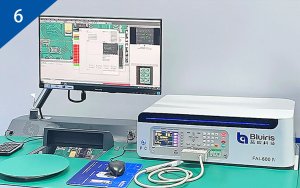
Risks of Non-compliance and Mitigation
The consequences of non-compliance are severe: product recalls, market bans, fines and damage to brand reputation.
Mitigation strategies: Select certified PCB assembly factories, establish an internal compliance team, conduct regular training, and monitor regulatory updates (e.g. RoHS 3, expansion of the REACH SVHC list).
Environmental compliance is a prerequisite for market access for electronic products. Partnering with PCB assembly factories that have a robust compliance management system is an effective way to mitigate risks.
Frequently Asked Questions (FAQ)
Q1: What is the difference between RoHS and REACH?
A: RoHS specifically addresses the restriction of hazardous substances in electrical and electronic equipment (6+4 substances), whilst REACH covers all chemicals (currently over 200 SVHCs). RoHS concerns product compliance, whereas REACH involves the management of chemicals throughout their entire life cycle. Both must be complied with, but their focus differs.
Q2: Is XRF testing sufficient to demonstrate RoHS compliance?
A: XRF can rapidly screen for inorganic elements (lead, cadmium, mercury, chromium), but cannot detect restricted organic substances (PBB, PBDE, phthalates). Full compliance requires a combination of XRF screening and chemical analysis (GC-MS).
Q3: Can supplier declarations be trusted?
A: Supplier declarations are the first link in the compliance chain, but they must be verified. Recommendations: request third-party test reports, conduct regular spot checks, select reputable suppliers, and establish a supplier audit mechanism. Relying solely on declarations carries risks.
Q4: How often is the REACH SVHC list updated?
A: The European Chemicals Agency (ECHA) typically updates the SVHC list every six months. The 2026 list now contains over 230 entries. Companies must keep abreast of updates, assess whether their products contain newly added SVHCs, and fulfil their notification obligations.
Q5: Do non-exported products need to comply with RoHS?
A: This depends on the market. China’s RoHS 2.0 (the ‘Measures for the Restriction of the Use of Hazardous Substances in Electrical and Electronic Products’) covers the domestic market and requires the labelling of hazardous substance content and the disclosure of relevant information. Even if products are not exported, they must still comply when sold domestically.