
Small-volume SMT manufacturing emphasizes flexibility and customization, while high-volume production prioritizes standardization and economies of scale. This article analyzes the core differences between these two models from four perspectives—production scale, cost control, quality control, and supply chain management—to help companies select the most suitable strategy.
1.Differences in Production Scale and Equipment Configuration
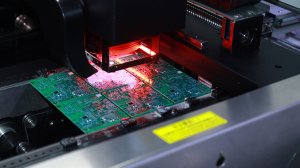
Small-batch SMT manufacturing typically employs flexible production line configurations. Through the flexible combination of imported placement machines and optical inspection equipment, it supports a daily production capacity of 3 million components. These production lines prioritize rapid changeover capabilities and can accommodate special process requirements such as 0402 precision components and BGA packaging.
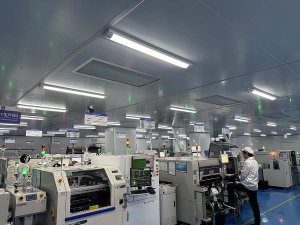
High-volume production, on the other hand, relies on highly automated production lines. It requires the configuration of multiple high-speed placement machines and continuous reflow soldering equipment to increase output per unit of time and reduce marginal costs.
2.Comparison of Cost Control Models
Small-batch cost structure: Unit costs are higher, with a premium of approximately 30% to 50%, primarily due to three factors. The proportion of time spent on equipment debugging increases, accounting for up to 15% of total labor hours. Material procurement struggles to benefit from volume discounts. Labor costs for quality inspection account for a larger proportion.
Cost Advantages of High-Volume Production: Through bulk purchasing and continuous production line operation, unit costs can be reduced by 40% to 60%.
3. Differences in Quality Control Dimensions
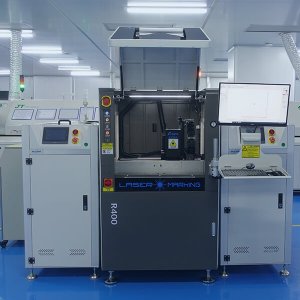
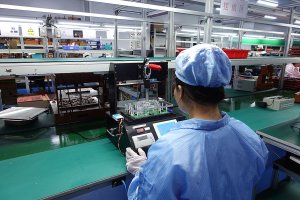
Regarding inspection methods, small-batch production employs 100% manual inspection combined with AOI sampling, while high-volume production uses 100% AOI inspection combined with X-ray sampling.
Defect Rate Control: Small-batch production allows for process debugging, with a target of ≤500 ppm. High-volume production requires strict process standardization, with a target of ≤100 ppm.
Traceability Systems: Small-batch production enables batch traceability, while high-volume production enables traceability via individual board serial numbers.
4.Challenges in the Component Supply System
Small-batch scenarios require support for high-variety, low-volume procurement, where supply chain responsiveness is critical.
High-volume scenarios require strategic supply chain collaboration, with VMI (Vendor-Managed Inventory) systems ensuring a 3- to 6-month material buffer. A certain automotive electronics project achieved a 98.7% on-time delivery rate through this model.
5.Differences in Production Cycle Control
The typical cycle for small-batch production is 5 to 7 days, including a 48-hour expedited channel. The standard cycle for high-volume production is 15 to 20 days, including 3 days of aging tests.
Conclusion
The customization of small-batch SMT and the standardization of high-volume production each have their respective applications. The small-batch model is suitable for R&D prototyping, new product introductions, and customized orders, emphasizing flexibility and rapid response. The high-volume model is suitable for the large-scale delivery of mature products, emphasizing efficiency and cost advantages. Companies must select the optimal production strategy based on product stage, market demand, and resource allocation.