
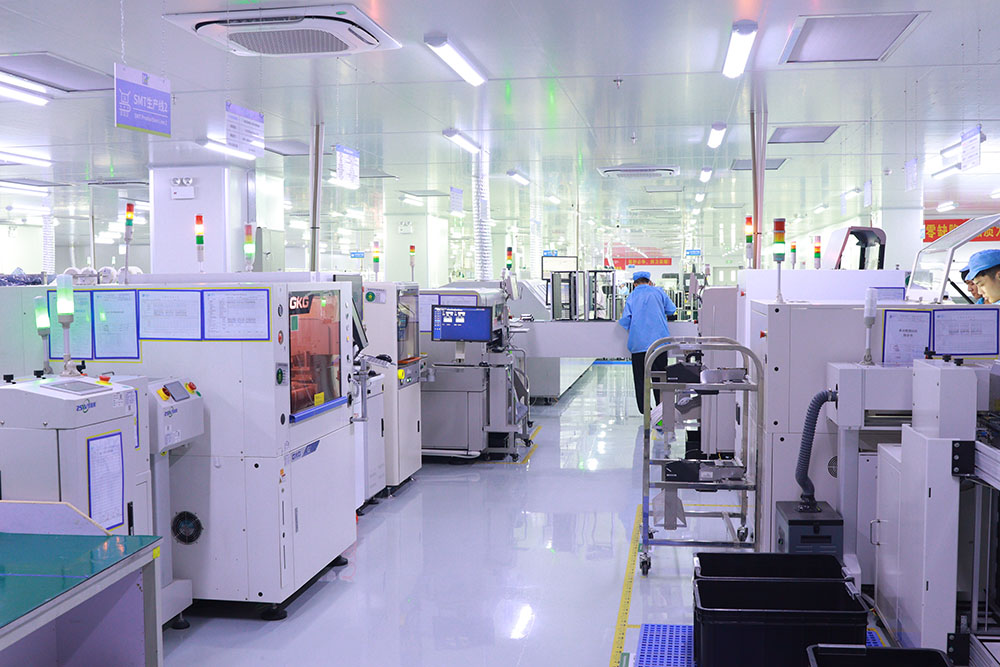
In SMT Assembly,component shortages are a key issue affecting SMT production efficiency and product quality. This article systematically examines the causes and solutions to component shortages from five perspectives—material management, equipment optimisation, process control, environmental management and process re-engineering—to assist factories in achieving precise control.
1.How to Ensure Precise Control of Material Management
The industry typically allows for a margin of error of ±2% in the quantity of materials supplied by vendors; instances where material labels do not match the actual items are not uncommon; and special components such as QFNs and BGAs are prone to damage due to inadequate electrostatic protection. To address these issues, a three-tier material verification system should be established, covering three key stages: random inspection of incoming materials, pre-loading verification, and stock-taking during line changes. Implement an intelligent warehouse management system to enable batch traceability of materials, ensuring that records match physical stock. Provide dedicated moisture-proof cabinets and ESD protection equipment for precision components to minimise material wastage caused by environmental factors.
2.How to Optimise Equipment Parameters
Nozzle wear leads to an increase in scrap rates; whilst the industry average scrap rate is 0.3%, this figure rises significantly when wear is severe. Vibration from feeders causes component misalignment, whilst improper configuration of the vision recognition system leads to missed or incorrect placements. Countermeasures include conducting daily equipment health checks and maintaining a CPK value of 1.67 or higher. Dynamic compensation technology is employed to optimise placement accuracy, thereby reducing scrap and misalignment. The component recognition feature database is regularly updated to ensure the vision system accurately identifies all types of packaging.
3.How to Continuously Refine Process Control
Offset in solder paste printing can lead to cold solder joints, whilst deviations in the reflow soldering temperature profile affect soldering quality. Insufficient fixture positioning accuracy causes placement deviations. Professional countermeasures include implementing SPC process control and checking solder paste thickness every two hours to ensure consistency. Deploying 3D SPI inspection equipment with a detection accuracy of 15 micrometres enables the timely identification of printing defects. Utilising custom fixture development services enhances positioning accuracy and stability.
4.Systematic Upgrades to Environmental Management
Regarding key parameter control, temperature is maintained at 23 ± 2°C, humidity is controlled within the range of 45–65% RH, and cleanliness meets the ISO 14644 Class 100,000 standard. Key implementation measures include deploying an intelligent workshop environmental monitoring system to provide real-time alerts for anomalies. The principle of using materials within 12 hours of opening is enforced to minimise moisture absorption and oxidation. A warning mechanism for incorrect material usage is established to prevent the use of substitute or expired materials.
5.How to Smartly Re-engineer Production Processes
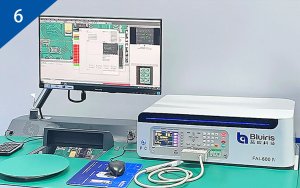
A full-process MES system provides traceability across the entire chain from PCB design to finished product delivery, enabling real-time visibility of material status. Industry 4.0 smart material racks feature automatic low-stock alerts, triggering replenishment processes in advance. A first-article inspection system ensures a 100% pass rate in FAI testing, preventing batch-level material shortages.
6.Conclusion
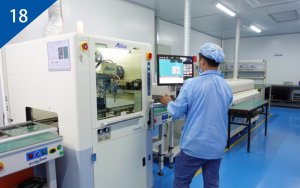
Eliminating component shortages in SMT assembly requires the establishment of a systematic control framework covering materials, equipment, processes, the environment and workflows. Through precise management, intelligent monitoring and continuous optimisation, material wastage can be effectively reduced, production efficiency and product quality enhanced, and lean manufacturing objectives achieved.