
Moisture, salt spray and chemical corrosion are the primary environmental factors contributing to the failure of electronic products. Conformal coating provides a protective layer for PCBs, extending the product’s service life in harsh environments. This article analyses the key considerations for selecting and implementing conformal coating processes.
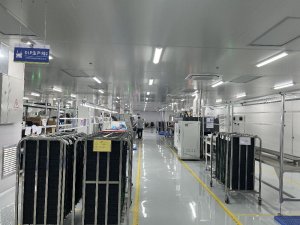
Mechanism of Action of Conformal Coating
Conformal coating forms a thin film on the surface of the PCB, isolating it from the external environment.
Protection against: moisture condensation, salt spray corrosion, chemical solvents, dust contamination and mould growth.
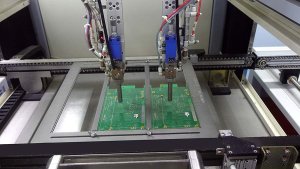
Types of Coating Materials
Commonly used conformal coatings are divided into four categories:
1.Acrylic: Easy to repair, fast curing and good moisture resistance, but poor solvent resistance
2.Polyurethane: Good abrasion resistance and chemical resistance, but difficult to repair
3.Silicone: Resistant to high and low temperatures, good flexibility, but relatively weak adhesion
4.Epoxy: High hardness, extremely strong chemical resistance, but highly brittle and difficult to repair
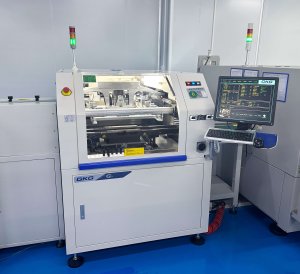
Coating Process Methods
Select the process according to production volume and precision requirements:
1.Brush application: Small batches, localised coating, manual operation
2.Spray application: Medium batches, semi-automatic or fully automatic equipment
3.Dip coating: For large batches and full-panel coverage, ensuring a uniform coating
4.Selective coating: For high precision, covering only specific areas using specialised equipment
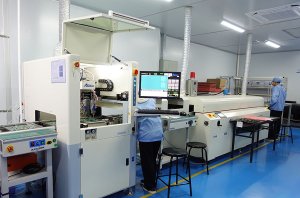
Selective Coating Techniques
Modern electronic products often require coating to be avoided around areas such as connectors and heat sinks.
Implementation methods: Masking tape, peelable masks, or automated selective coating machines (programmable dispensing).

Control of Curing Conditions
Insufficient curing leads to protection failure, whilst over-curing affects performance.
Curing parameters: temperature profile, time, and humidity conditions. For UV-curing types, UV intensity and exposure time must be controlled.

Quality Inspection Standards
Coating quality inspection includes:
Inspection items: coating thickness (typically 25–75 μm), coverage integrity (inspected under a UV lamp), adhesion testing (cross-hatch method), and insulation resistance testing.
Management of No-Coat Zones
During the design phase, it is essential to specify which areas must not be coated:
Common no-coat zones: connector gold fingers, heat sink contact surfaces, adjustable component operating areas, test points, and ground springs.
Conformal coating is an effective means of enhancing a product’s environmental adaptability. Planning the coating areas from the design stage and confirming the certification of the PCB assembly factory’s coating equipment and materials ensures effective protection.
Frequently Asked Questions (FAQ)
Q1: How thick does the conformal coating need to be to be effective?
A: A wet film thickness of 25–75 μm is generally recommended, depending on the material and protection rating. If too thin, protection is insufficient; if too thick, it impedes heat dissipation and hinders repairs. The IPC-CC-830 standard specifies thickness requirements for different protection levels.
Q2: Can repairs still be carried out after applying conformal coating?
A: This depends on the type of material. Acrylic coatings can be removed with solvents and are easy to repair; polyurethane and epoxy resins are difficult to remove, making repairs challenging. When selecting materials, a balance must be struck between protection strength and repairability.
Q3: How much does conformal coating increase costs?
A: Material costs are approximately US$0.5–2 per board; when process costs are added, the overall increase is 5–15 per cent. Selective coating involves higher equipment investment and programming costs, but results in less material wastage.
Q4: Which products require conformal coating?
A: Outdoor electronic equipment, automotive electronics, marine equipment, medical devices, industrial control systems and military products. Consumer electronics intended for indoor use generally do not require it, unless in high-humidity environments.
Q5: Does triple-proof coating affect heat dissipation?
A: Yes, but the impact is minimal. A coating thickness of 25–75 μm offers limited thermal resistance. For high-power components, heat sinks can be added prior to coating, or thermal grease can be applied after coating. Ensure that heat dissipation pathways are incorporated into the design.