

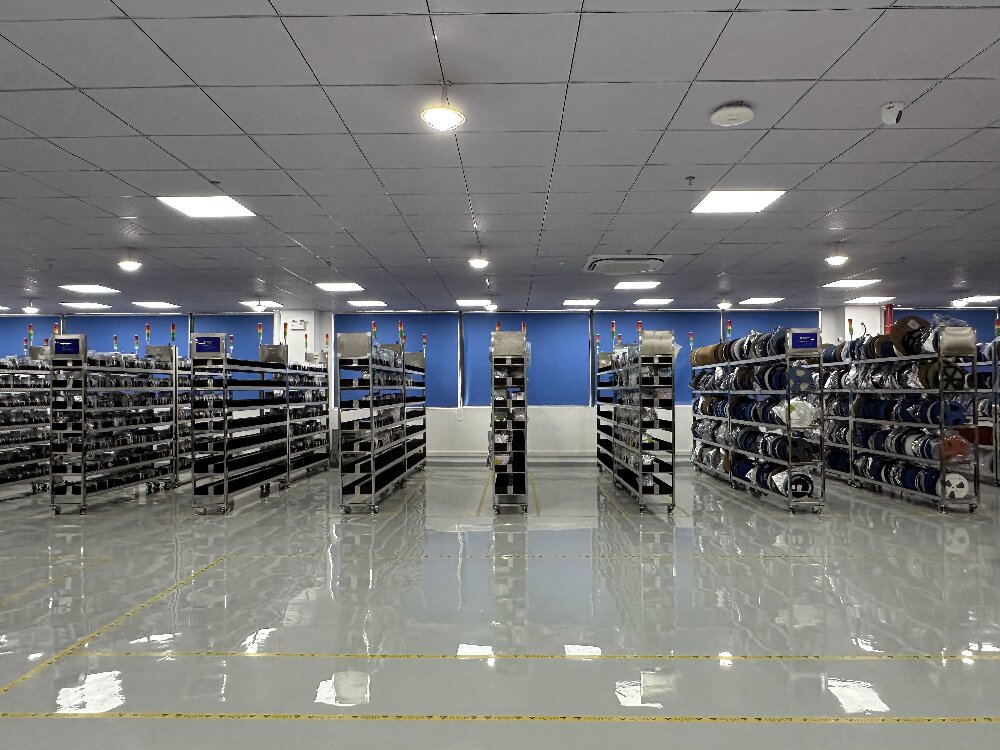
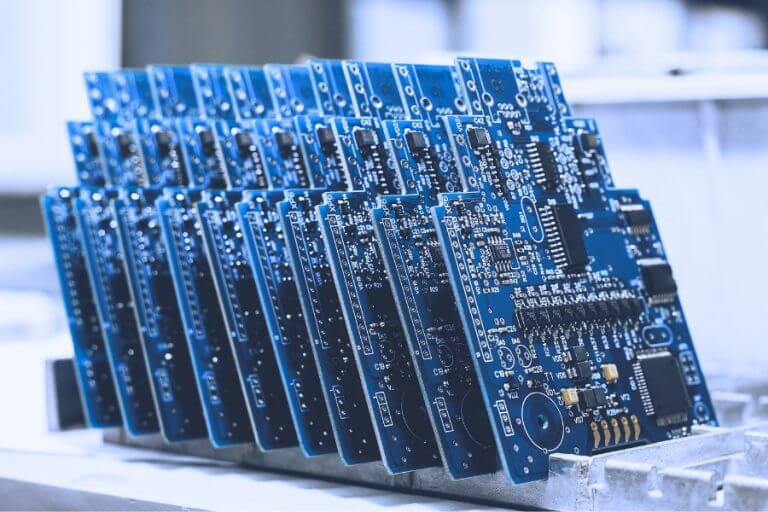
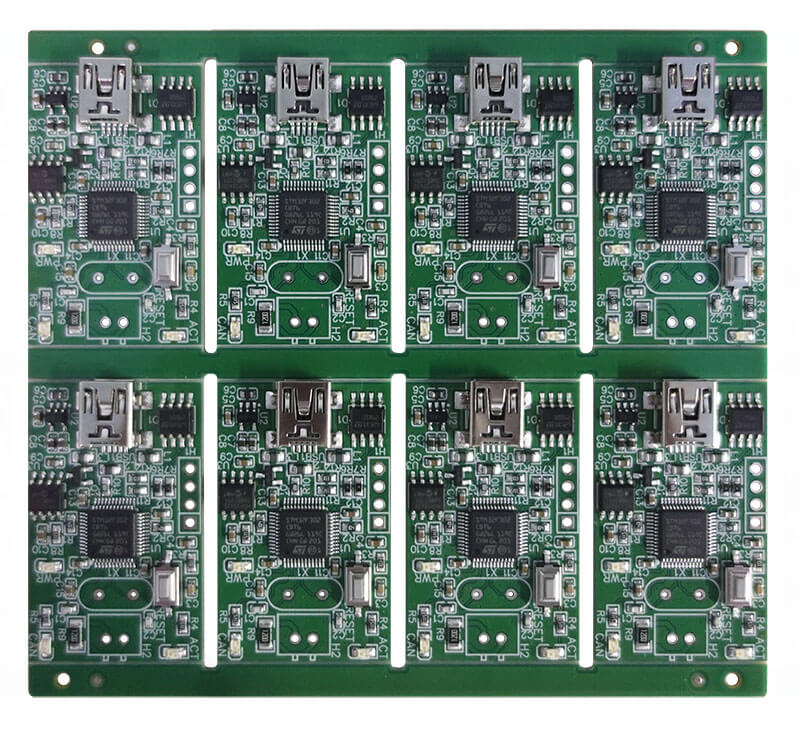
Automated Optical Inspection (AOI) and Solder Paste Inspection (SPI) serve as core quality control tools in SMT production. SPI conducts early quality checks on solder paste printing. AOI detects defects after component mounting and soldering. This article compares their working principles and applicable scenarios. It also illustrates their joint value to build a complete quality management system.
1.Principles of SPI Solder Paste Inspection Technology
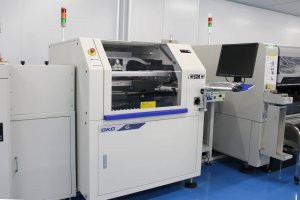
2.Principles of AOI (Automated Optical Inspection) Technology
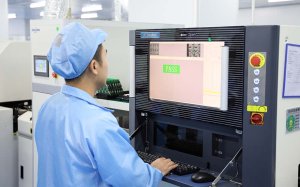
3.The Synergistic Value of AOI and SPI
AOI and SPI combine to form a full-range quality control system in SMT manufacturing. SPI acts as front-line prevention. It eliminates hidden dangers at the solder paste printing stage. AOI takes charge of mid-process supervision. It tracks mounting and welding conditions and finds abnormal defects. Dual inspection mode largely reduces rework volume. It improves finished product stability and user satisfaction.
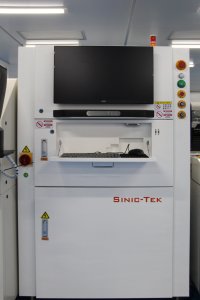
Manufacturers integrate both technologies into daily production. It helps approach zero-defect manufacturing goals. Production efficiency and qualified rate get comprehensive improvement. Enterprises gain stronger competitive advantages in the industry.
Conclusion
SPI and AOI do not conflict with each other. They work closely and complement one another. SPI lays solid foundation for welding quality. AOI safeguards assembly and post-welding quality. The two techniques build complete quality barriers from printing to finished delivery. They become essential inspection solutions for smart SMT production.