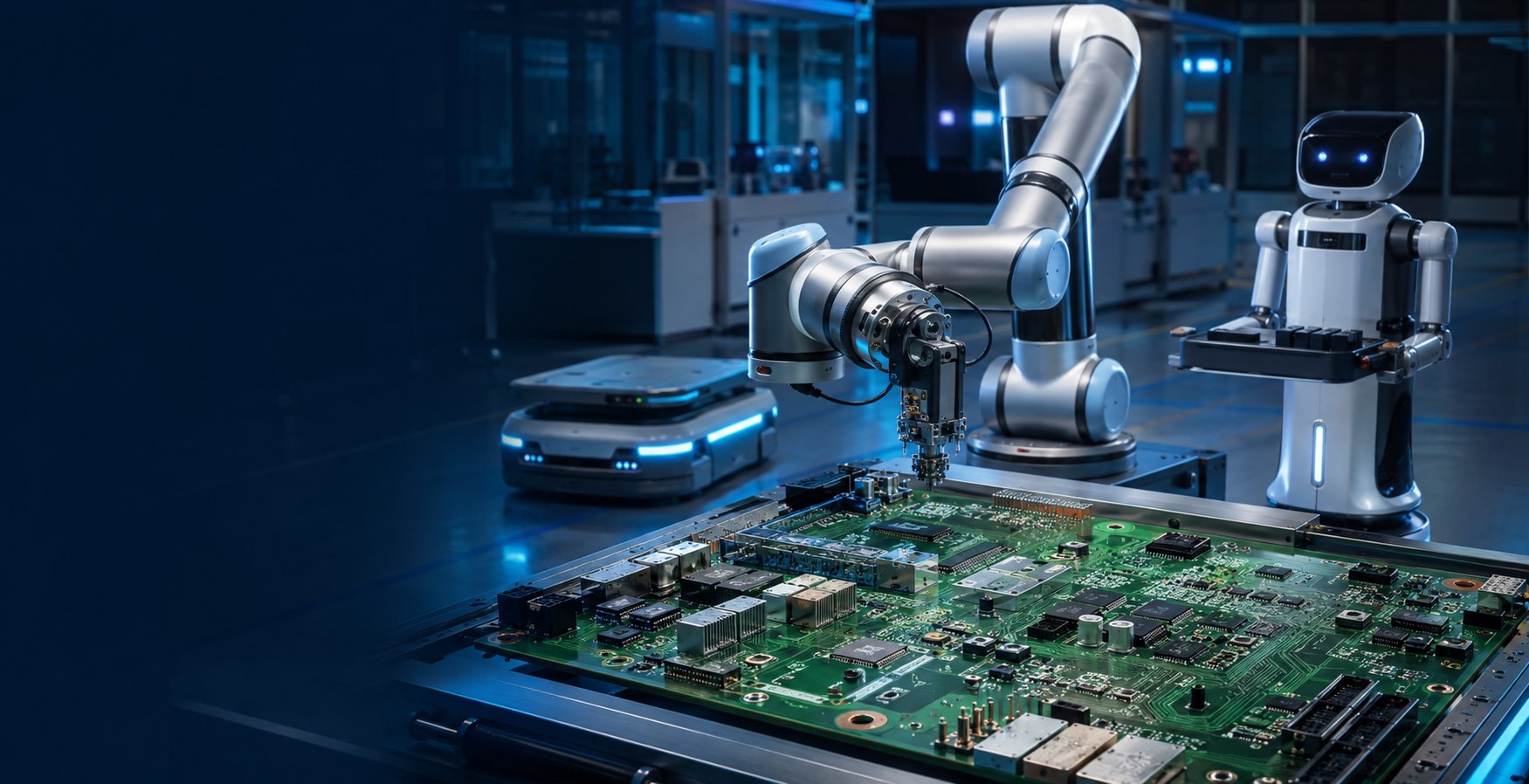
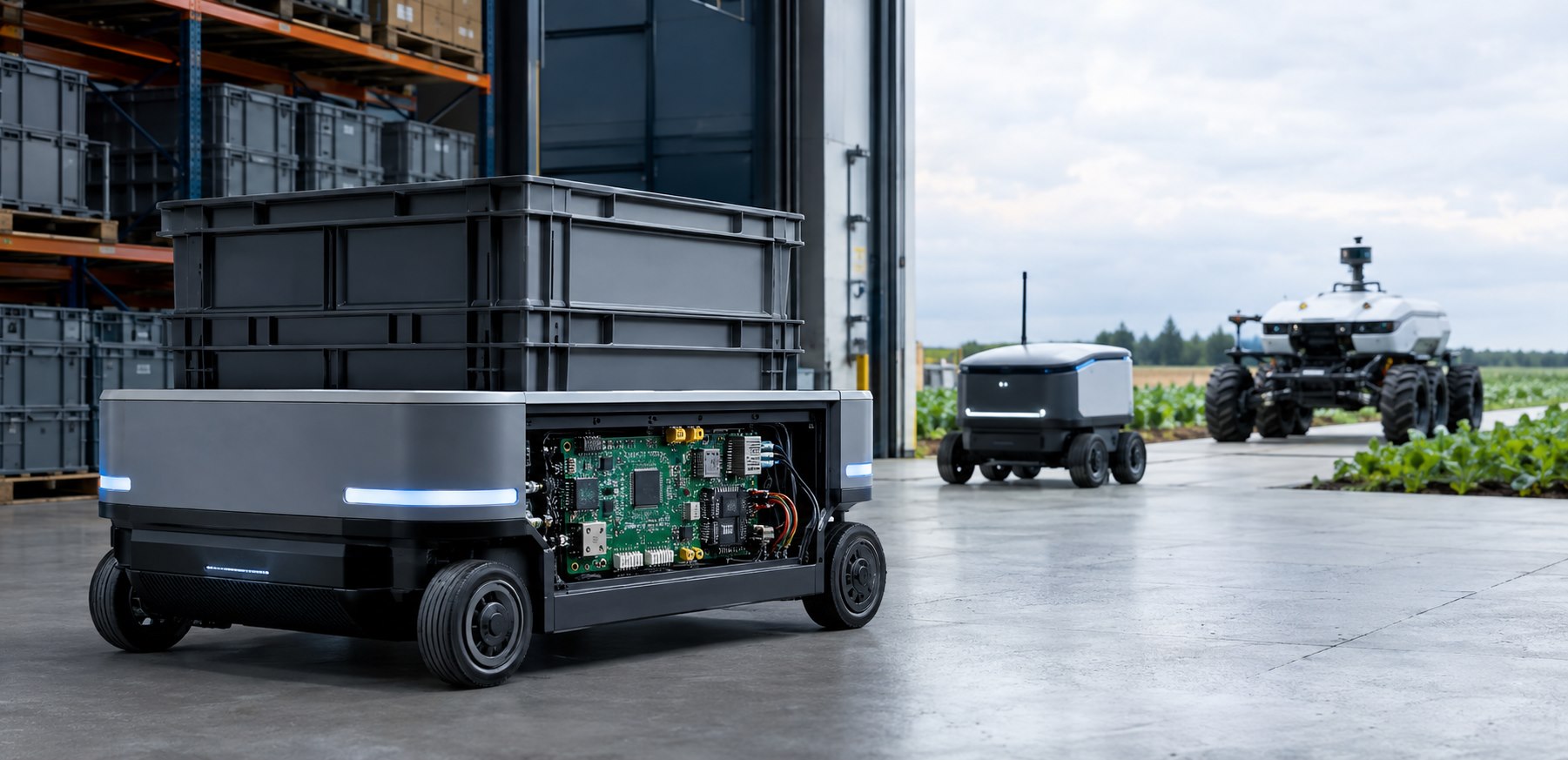
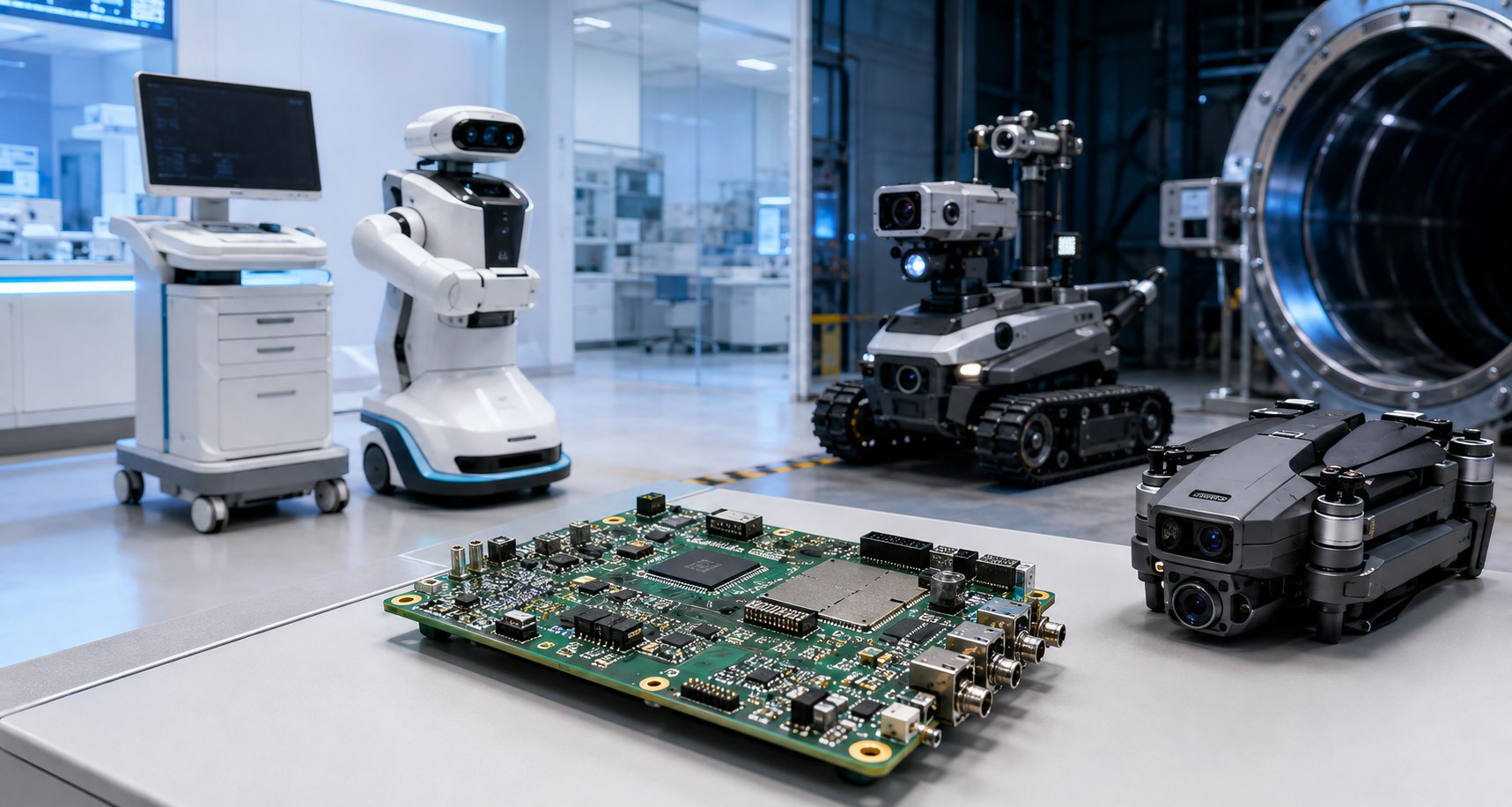
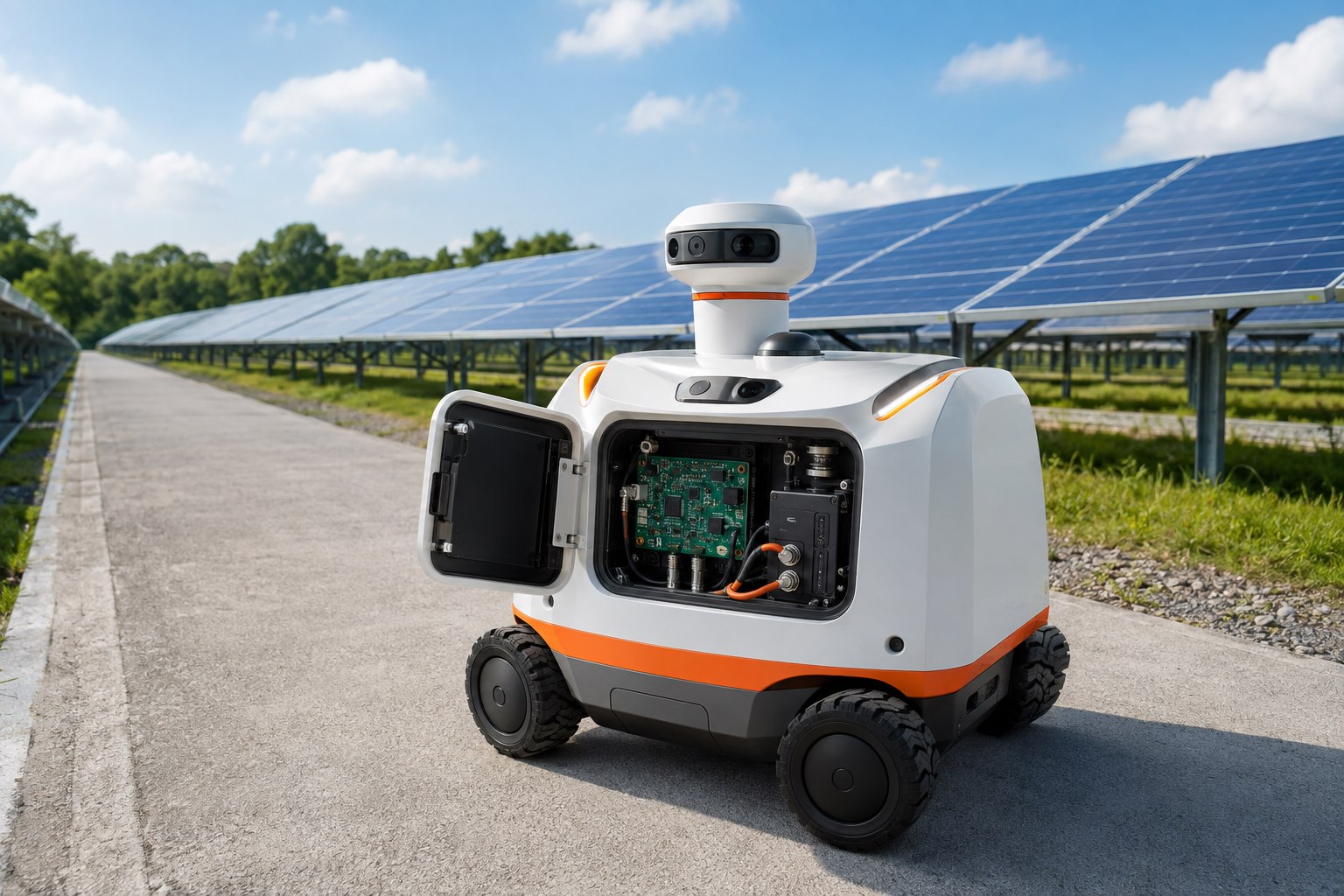
From precision servo drives and safety I/O to AI vision, navigation and battery management, Keep Best PCBA builds the electronic assemblies that help robots sense, think, move and work reliably.
PCBA solutions for every layer of a robotics platform
A modern robot is a distributed electronic system. It may contain a high-speed compute board, multiple motor-control boards, safety circuits, sensor interfaces, wireless modules and a dedicated power system—all operating under vibration, heat, electrical noise and tight mechanical constraints. We help robotics teams turn those requirements into repeatable PCB assemblies.
Rigid, flex and rigid-flex PCBAs
HDI and fine-pitch assemblies
High-current power electronics
Sensor and RF integration
Conformal coating options
Functional test development
Electronic architecture
Where PCBAs are used inside a robot
Customers can engage us for a single controller or for a family of interconnected boards. The following subsystems cover the most common robotics PCBA requirements.
01
Main Control & Edge AI
Processor, FPGA, GPU/NPU and memory assemblies for motion planning, SLAM, perception, machine vision and real-time coordination. Typical challenges include BGA escape routing, high-speed memory, controlled impedance and thermal management.
02
Servo & Motor Control
Brushless DC, stepper and servo-drive PCBAs with gate drivers, current sensing, encoders and braking circuits. Layout must control switching noise while handling high current and rapid acceleration cycles.
03
Safety & Real-Time I/O
Emergency-stop, safety relay, interlock, light-curtain and redundant I/O boards. Isolation, diagnostic coverage, deterministic response and clear separation of power and logic domains are central considerations.
04
Sensor Interface & Fusion
Interfaces for cameras, LiDAR, radar, ultrasonic sensors, IMUs, force/torque sensors, tactile arrays and encoders. Low-noise analog design, precise timing and robust connectors protect measurement integrity.
05
Power, Battery & Charging
DC-DC conversion, power distribution, battery-management, protection, hot-swap and docking/charging PCBAs. Creepage, clearance, copper weight, heat dissipation and fault protection are matched to the power envelope.
06
Connectivity & HMI
EtherCAT, CAN/CAN-FD, RS-485, Ethernet, USB, Wi-Fi, Bluetooth, cellular and GNSS modules, plus display, button, audio and status-light boards for robot-to-machine and human-to-robot interaction.
07
Machine Vision & Lighting
Camera interface, image acquisition, illumination and trigger-control assemblies for inspection, bin picking, navigation and quality control. Signal integrity, grounding and synchronized lighting are essential.
08
End-Effector Electronics
Compact boards installed in grippers, weld heads, screwdrivers, dispensers and tool changers. These PCBAs often require flex connections, high connector-cycle life, local sensing and resistance to vibration and contamination.
09
Docking & Fleet Infrastructure
Charging docks, access points, beacon nodes and fleet gateway electronics that keep mobile robots connected and available. Designs may combine power electronics, communications and rugged external I/O.
Inside an articulated robot
Where PCBAs are used in an industrial robotic arm
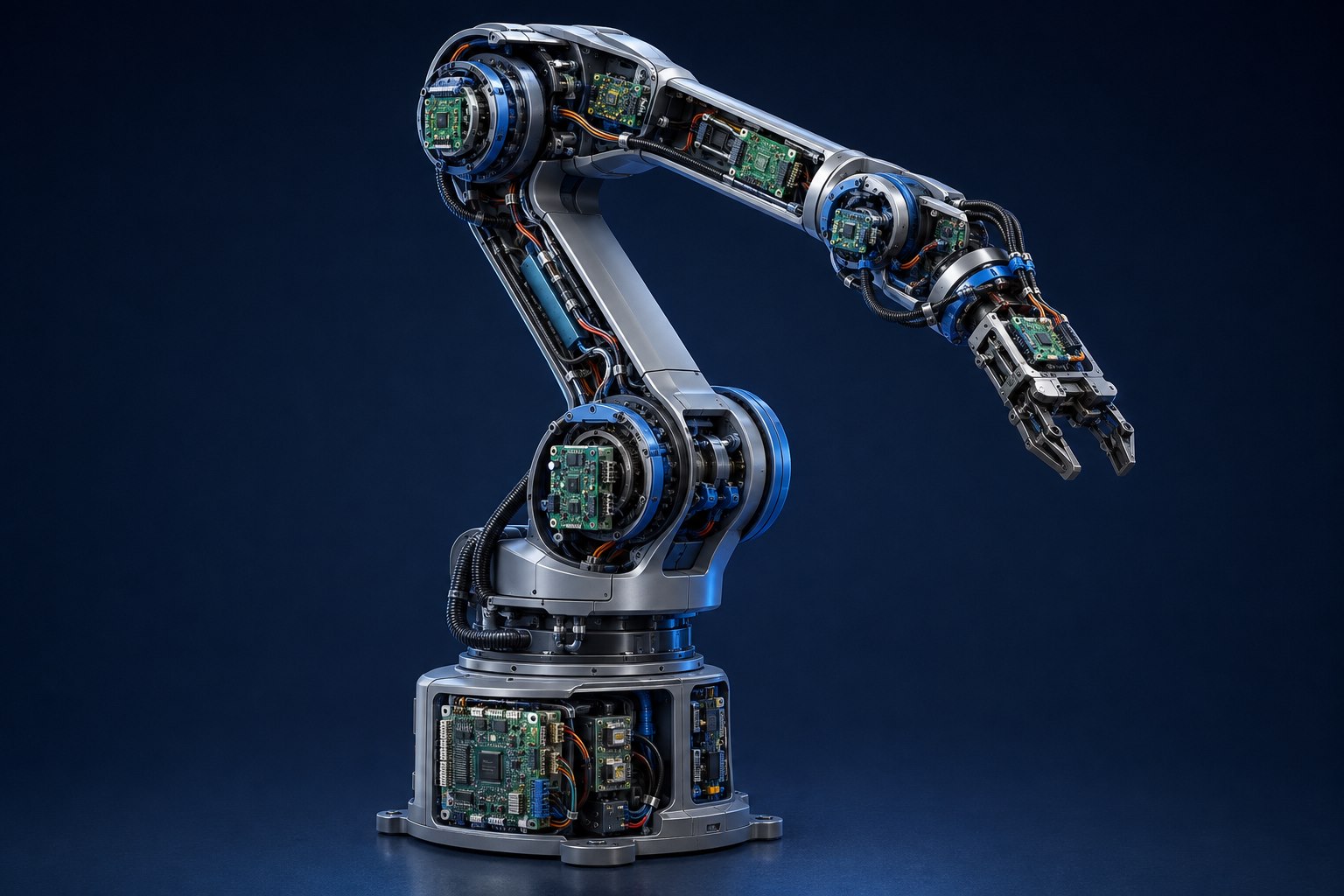
A six-axis arm does not rely on one circuit board. A typical system distributes control, feedback, power and safety electronics from the controller cabinet through every joint and into the wrist-mounted tool. The exact architecture varies, but the following PCBA locations are common in industrial arms and cobots.
Distributed electronics shorten high-current and sensor paths, but each board must fit its local thermal, vibration and service constraints.
1. Main Motion-Control PCBA
Located in the controller cabinet or robot base. Runs trajectory planning, kinematics, interpolation and real-time coordination of all axes using an MCU, FPGA, SoC or industrial computer module.
2. Base Power-Distribution PCBA
Distributes DC bus and low-voltage rails to joint drives, brakes, sensors and tools. Typical functions include inrush limiting, current monitoring, fusing, surge protection and power-sequence control.
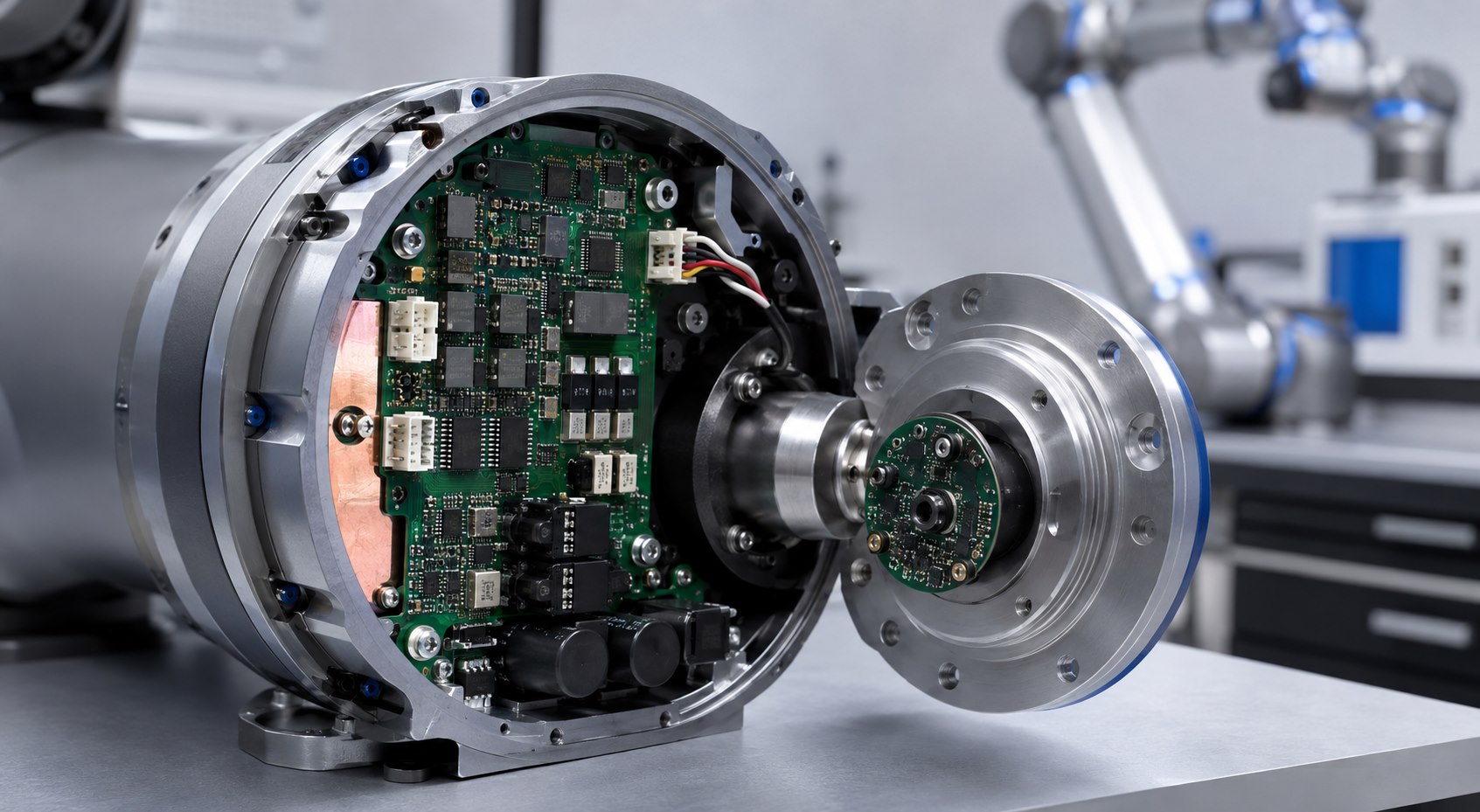
3. Joint Servo-Drive PCBAs
One per axis or a multi-axis bank. Converts motion commands into controlled motor current using gate drivers and power MOSFETs/IGBTs, with phase-current sensing and temperature feedback.
4. Encoder & Position-Sensing Boards
Small boards mounted close to each joint shaft acquire absolute or incremental encoder signals. Noise control, precise alignment, low jitter and reliable flex or board-to-board connections are essential.
5. Electromechanical Brake Control
Controls holding brakes on vertical or gravity-loaded axes. The circuit may include release timing, current reduction, flyback suppression, diagnostics and safe behavior during a power interruption.
6. Joint Torque-Sensor PCBA
Conditions strain-gauge or other torque-sensor signals for collision detection and force-limited operation. High-resolution ADCs, stable excitation and careful analog grounding protect measurement accuracy.
7. Redundant Safety-Control PCBA
Monitors emergency stop, guard inputs, safe speed, safe position and brake status. Designs may require isolated channels, redundant processors, diagnostic feedback and carefully managed failure modes.
8. Internal Communication Nodes
EtherCAT, CAN/CAN-FD, RS-485 or vendor-specific real-time networks link the central controller to each joint. Robust transceivers, isolation and deterministic timing maintain synchronized motion.
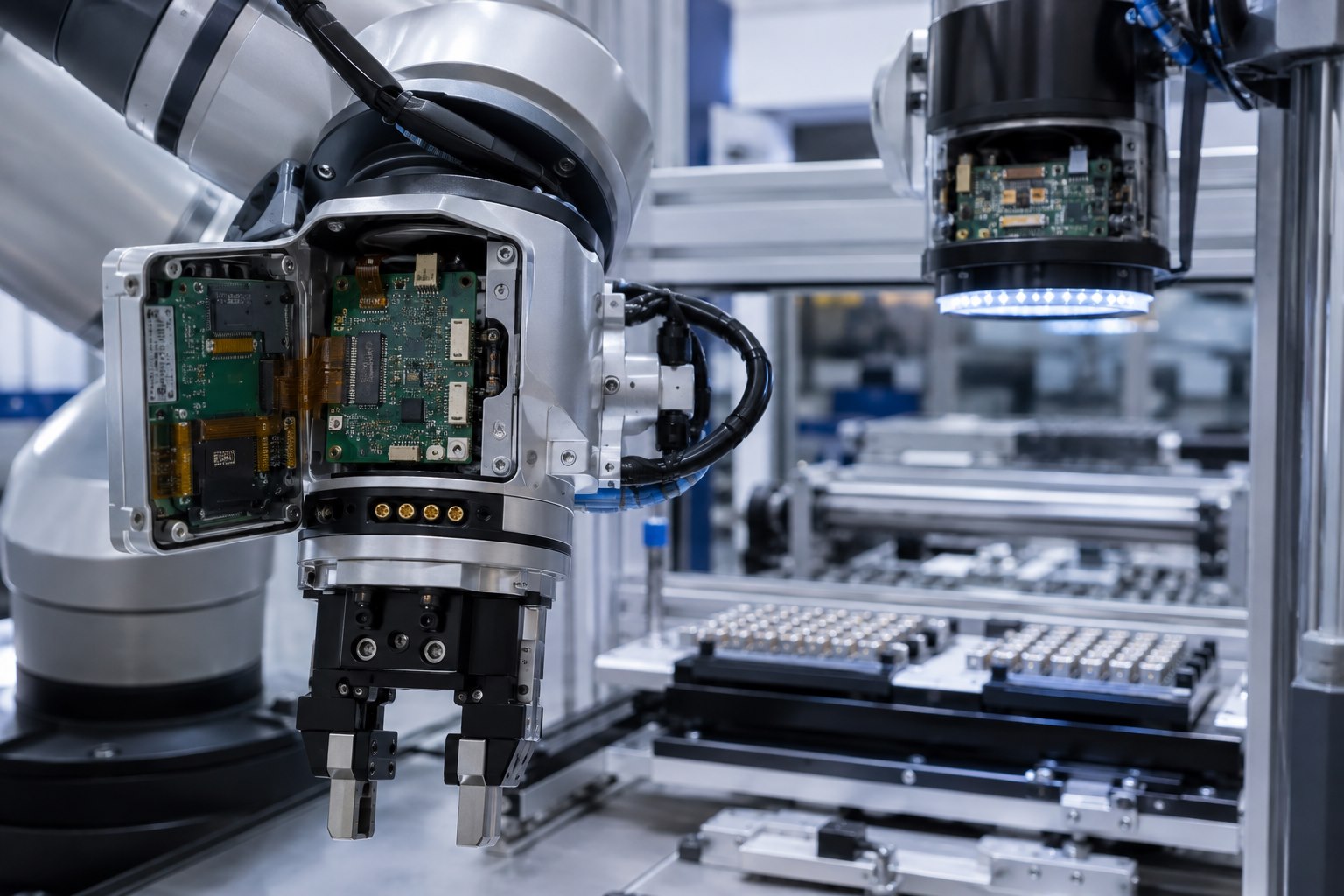
9. Wrist I/O & Tool-Power Board
Provides switched power, digital/analog I/O and communication to the end effector while reducing the cable count through rotating joints. Compact connectors and ESD protection are common priorities.
10. Gripper / End-Effector PCBA
Controls electric fingers, vacuum valves, local motors and grip sensors. The board may integrate force feedback, object detection, tool identification and a compact communication interface.
11. Process-Tool Control PCBA
Supports welding, soldering, screwdriving, dispensing, polishing or laser heads. Typical functions include trigger timing, current/pressure monitoring, actuator control and process-data collection.
12. Vision & Illumination PCBA
Connects 2D/3D cameras, structured-light projectors and synchronized LED illumination for bin picking, inspection, alignment and robot guidance.
13. Teach-Pendant & HMI PCBA
Combines display, touch or key input, emergency stop, enabling switch, audio and wired/wireless communication in a handheld operator interface.
14. Tool-Changer Interface PCBA
Manages tool ID, locking confirmation, pneumatic valve feedback, electrical contacts and safe handshaking when one robot automatically swaps between multiple tools.
Joint electronics combine power switching, current feedback, encoder acquisition, brake control and real-time communications in a small thermal envelope.Wrist, end-effector and vision PCBAs bring sensing and control close to the task, reducing cable complexity and response time.
Robotic arm process applications
The tool changes, but the electronics must still coordinate motion, sensing and process feedback. We support PCBAs used across these civilian factory-automation tasks:
Pick, Place & SortingHigh-speed motion control, vision trigger, vacuum/gripper I/O and object-presence sensing.
Assembly & Press-FitForce/displacement acquisition, servo control, part detection and traceable cycle data.
ScrewdrivingSpindle motor control, torque/angle measurement, feeder signals and fastening-result communication.
Food HandlingWashdown-aware interfaces, sealed sensing, hygienic end-effectors and reliable temperature monitoring.
Detailed application map
Robotics PCBA application scenarios
Robot form factors vary widely, but each market has a recognizable set of control, sensing, power and environmental demands. Select the scenario closest to your product to see the likely PCBA focus.
Industrial Robots
Six-axis arms, SCARA robots, delta pick-and-place systems, welding robots, painting robots, palletizers and machine-tending cells depend on deterministic motion control and long service life. Typical assemblies include servo-drive boards, encoder interfaces, safety I/O, teach-pendant electronics and industrial communication modules.
Servo controlEtherCATHigh-current
Collaborative Robots (Cobots)
Cobots work near people and rely on joint torque sensing, redundant position feedback, safe braking and fast fault detection. Compact joint PCBAs, force/torque sensor boards and safety-control electronics require high channel consistency, low-latency communication and dependable connector systems.
Torque sensingRedundant I/OCompact joints
AMRs & AGVs
Autonomous mobile robots and automated guided vehicles combine navigation computers, wheel-motor drives, LiDAR/camera interfaces, safety scanners, battery management and charging control. Power integrity, EMI containment and rugged interconnects are critical during continuous travel and docking.
SLAM computeMotor driversBMS
Warehouse & Logistics Robots
Goods-to-person robots, autonomous forklifts, sortation systems, robotic picking stations and parcel-handling equipment need synchronized motion, barcode/RFID interfaces and reliable fleet connectivity. Controllers must tolerate dust, impact, around-the-clock duty cycles and frequent charge events.
Vision pickingRFID/barcodeFleet wireless
Service & Hospitality Robots
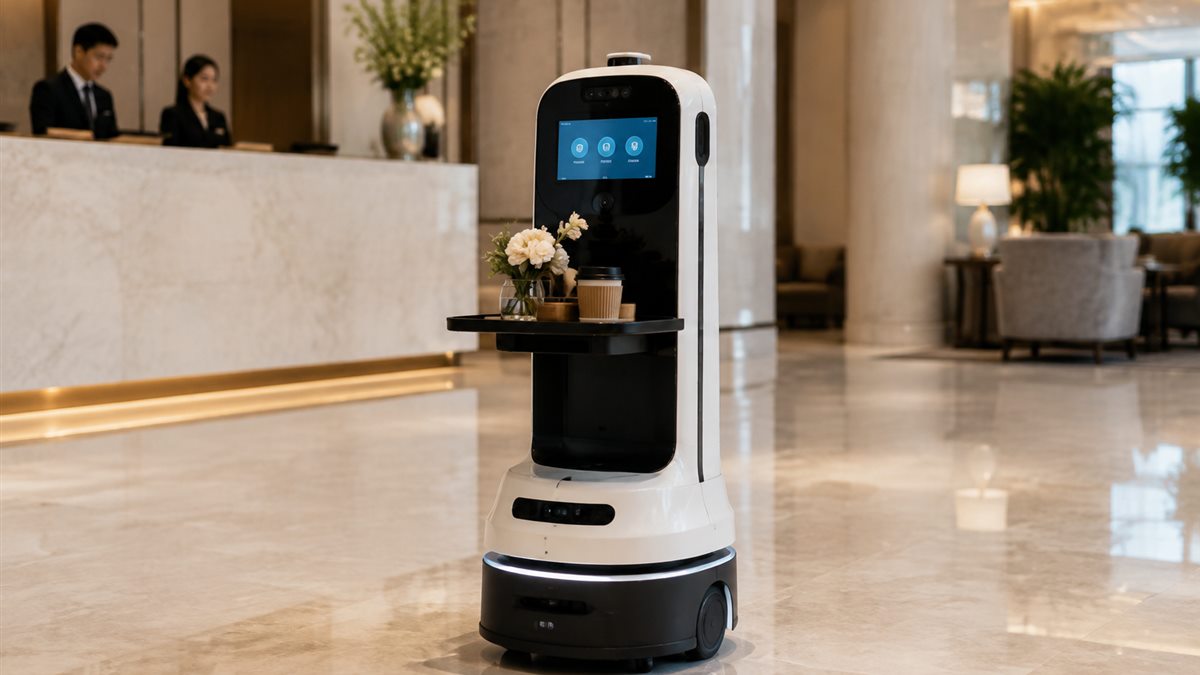
Delivery, reception, guidance, restaurant, retail and hotel robots combine navigation, touch displays, audio, obstacle sensing and secure wireless connectivity. PCBAs must balance computing performance, quiet motor control, battery runtime and a compact enclosure.
HMI/audioQuiet drivesWireless
Medical & Rehabilitation Robots
Surgical-assistance platforms, rehabilitation devices, exoskeletons, pharmacy robots and hospital transport systems call for precise sensor acquisition, controlled motion and strong traceability. Medical electrical and risk-management requirements should be defined at the system level before PCBA validation.
TraceabilityLow-noise sensingPrecision motion
Agricultural Robots
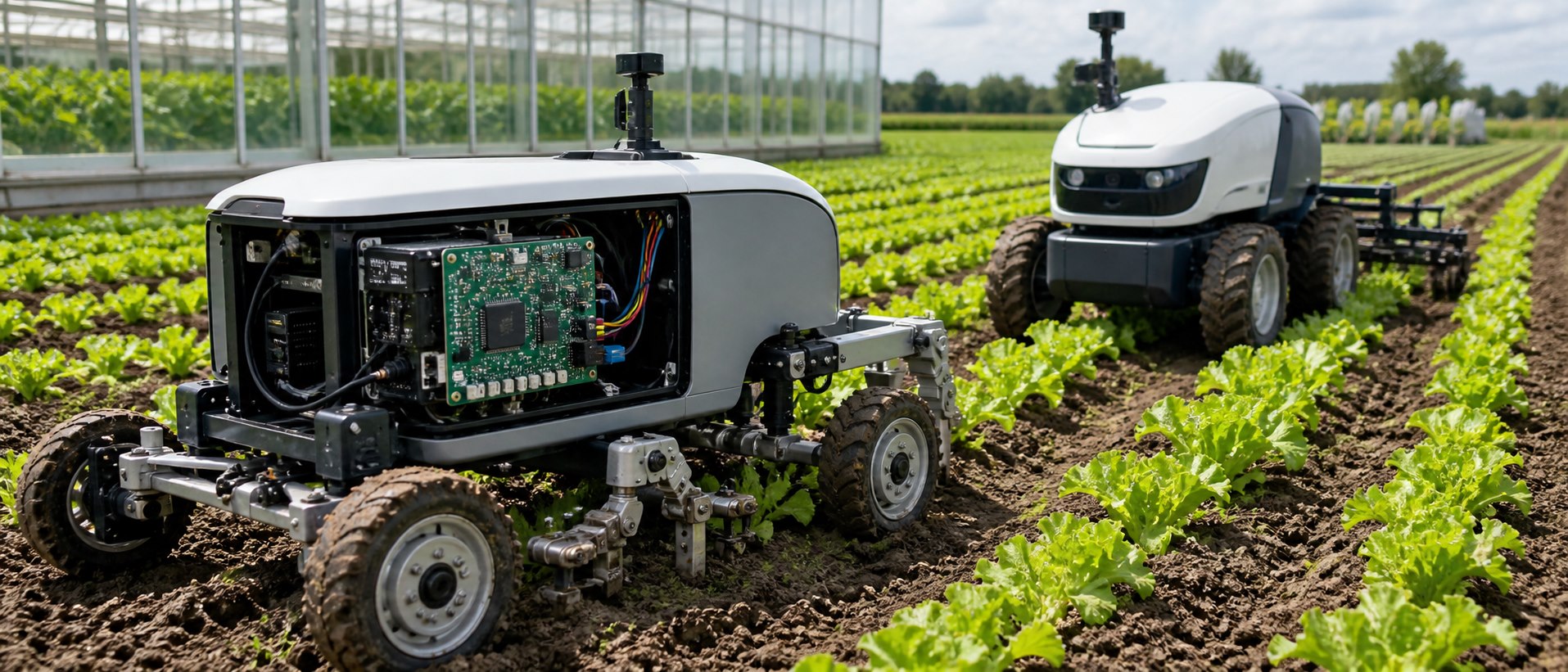
Autonomous tractors, weeding robots, harvesting platforms, milking systems and crop-monitoring robots operate amid moisture, dust, chemicals, UV exposure and wide temperature swings. Sealed connectors, conformal coating and input protection help ruggedize control and sensing assemblies.
GNSS/RTKEnvironmental sealingHigh-current drives
Inspection & Maintenance Robots
Pipe crawlers, tank inspection systems, power-line robots, sewer robots and magnetic wall climbers integrate cameras, non-destructive testing sensors, lighting and tether or wireless communication. The PCBA may need corrosion protection, wide-input power and robust data links.
Camera/NDTRugged I/OCorrosion protection
Civilian Inspection Drones & Mobile Robots
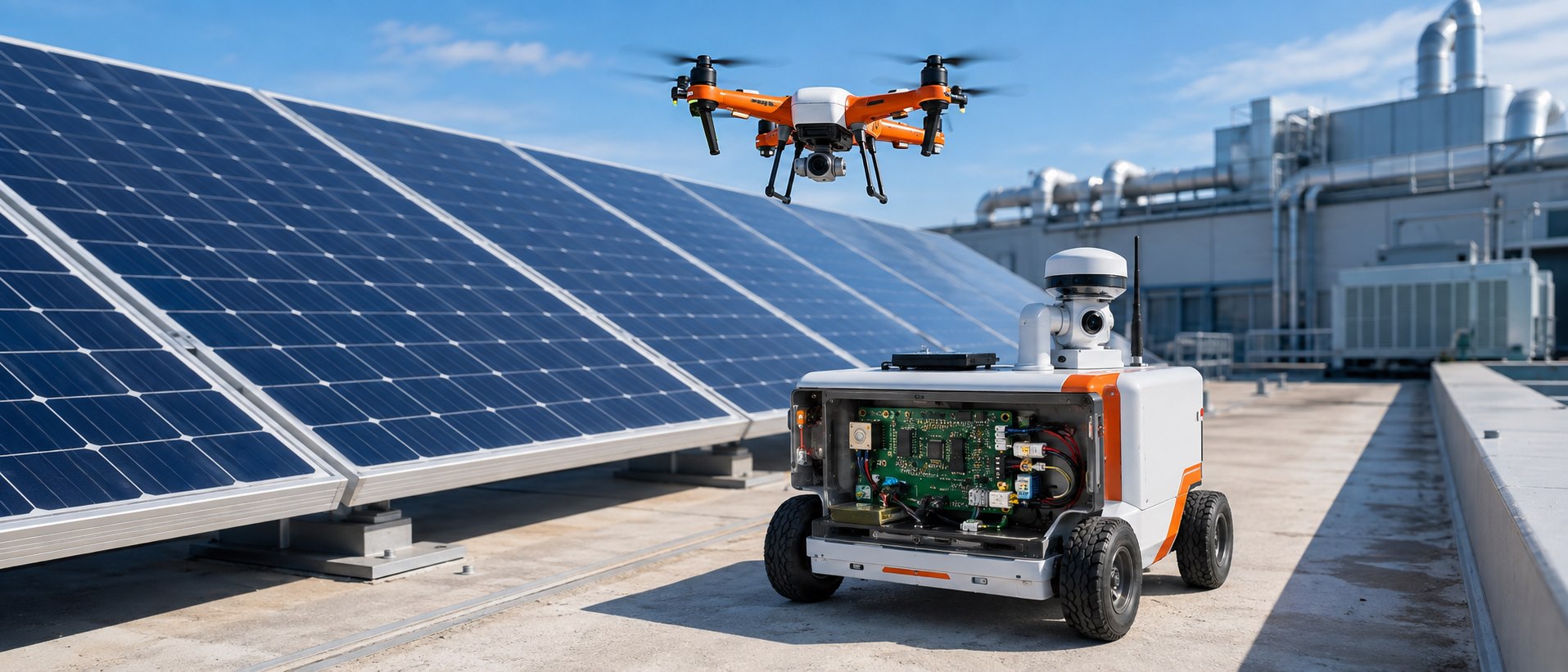
Commercial robots used for solar farms, roofs, bridges, pipelines, utilities and environmental surveying rely on flight/vehicle controllers, ESCs, GNSS, telemetry, gimbal control and camera or sensing interfaces. Low weight, high power density, vibration resistance and clean sensor power are major design drivers.
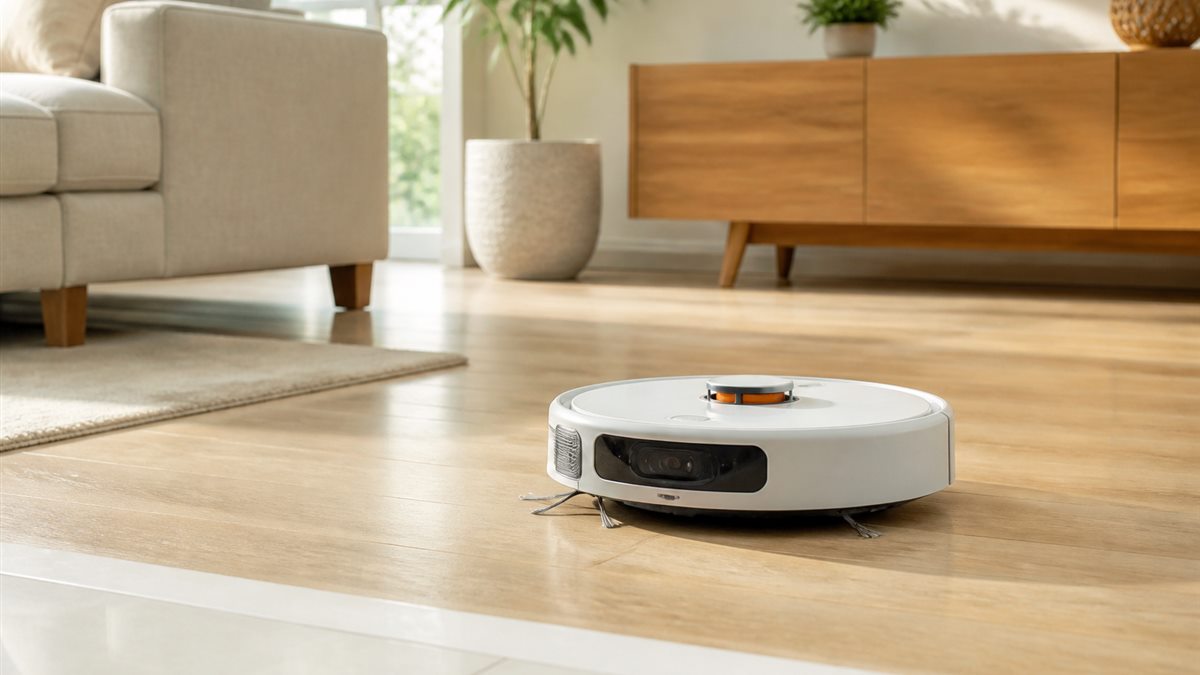
Robotic vacuums, lawn mowers, pool cleaners and window-cleaning robots use cost-optimized motor control, obstacle sensing, battery charging and app connectivity. Design-for-test, moisture protection and component lifecycle planning support reliable volume production.
Humanoid joints, social interaction systems, research platforms and STEM robots may distribute many compact controller boards throughout the body. Common needs include synchronized multi-axis control, audio/vision processing, dense connectors and fast prototype iteration.
Multi-axis motionEdge AIAudio/vision
Construction, Mining & Hazardous-Area Robots
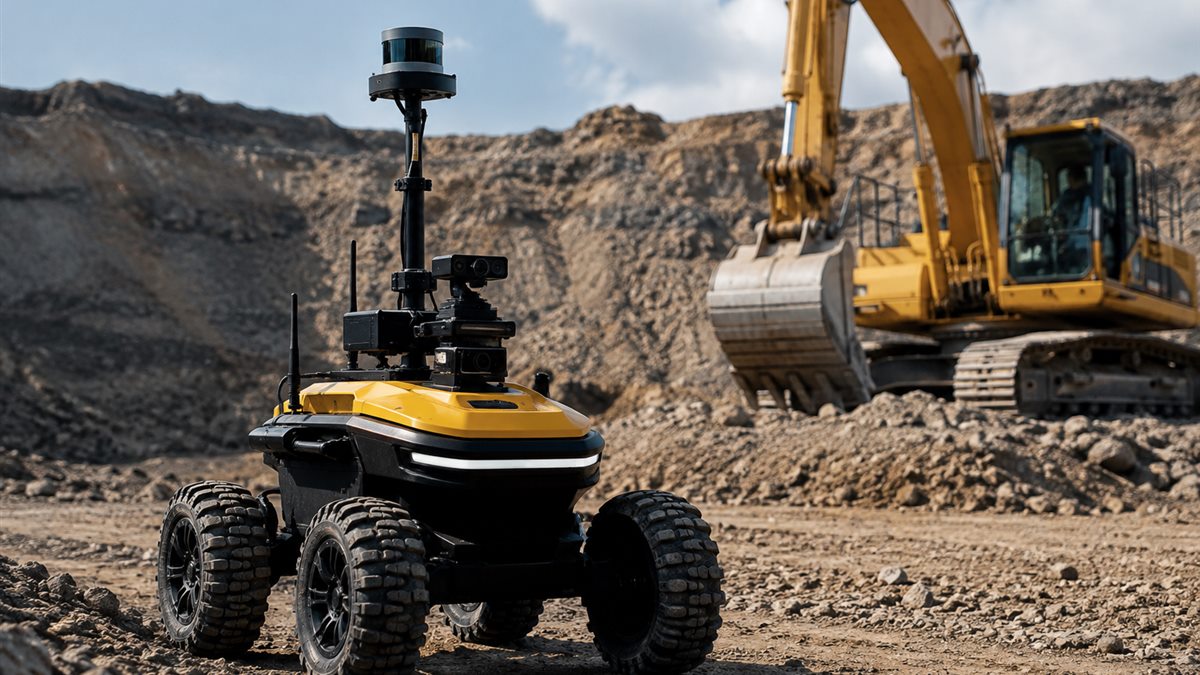
Demolition, drilling, surveying, mining and emergency-response robots face shock, debris, temperature extremes and unstable power. Rugged stack-ups, high-retention components, protection circuits and extensive environmental testing should be considered early.
Shock resistanceWide temperaturePower protection
Engineering priorities
Design and manufacturing requirements for robotics PCBAs
The correct build specification depends on where the board sits in the robot, what it controls and what happens if it fails. Our engineering review focuses on the risks below before production.
Requirement
Why it matters in robotics
Typical PCBA response
Mechanical reliability
Motors, gearboxes, wheels and tool impacts transmit vibration and shock into the electronics.
Regeneration, inrush, hot-plug events and battery transients can stress power rails.
Protection coordination, surge/ESD components, appropriate creepage and clearance, current-path analysis and programmed power-up testing.
Environmental durability
Dust, moisture, oils, cleaning agents and condensation can corrode or contaminate assemblies.
Cleaning, conformal coating, selective masking, sealed interface planning and material compatibility review.
Compactness & low weight
Joint modules, grippers, drones and wearable robots have strict size and mass limits.
HDI, fine-pitch packages, rigid-flex construction, via-in-pad where justified and dense double-sided SMT assembly.
Lifecycle & traceability
Robotics platforms can remain in service for years while processors and sensors change rapidly.
Approved-vendor control, lot traceability, change management, alternate-part review and programming/test record options.
Cybersecure connectivity
Connected robots exchange operational data and may receive remote updates.
Secure-element and TPM assembly support, unique device provisioning, protected programming workflow and interface test coverage.
Safety-critical and sensor-rich robots require disciplined material control, clean assembly, inspection, programming and application-specific functional testing.
From design data to tested assemblies
Our robotics PCBA manufacturing workflow
A controlled handoff from prototype to repeat production reduces technical surprises. Keep Best PCBA can support PCB fabrication, component sourcing, assembly, programming, inspection and testing under one coordinated workflow.
1. RequirementsBoard function, environment, build standard, volumes and test strategy.
2. DFM/DFAFabrication, assembly, stencil, polarity, spacing and test-point review.
4. AssemblySMT, THT, mixed technology, BGA/QFN and controlled soldering.
5. InspectionSPI, AOI, X-ray and workmanship inspection as build needs require.
6. Test & ShipProgramming, ICT/FCT, coating, final inspection and protective packing.
Fine-Pitch & BGA Assembly
Process controls for dense compute, vision and communication boards using QFN, BGA, micro-BGA and small passive packages.
Power Electronics Assembly
Support for thicker copper, thermal interfaces, large terminals, power devices and mixed SMT/through-hole construction.
Programming & Provisioning
Customer-defined firmware loading, serial-number handling and controlled provisioning steps integrated with the build flow.
Application-Specific FCT
Fixture and procedure support for I/O, communications, power rails, sensors, motor-control signals and safety-related diagnostics.
Ruggedization Options
Cleaning, conformal coating, selective masking, staking and other protective processes based on the operating environment.
Prototype-to-Production Control
Build feedback, defect analysis, engineering change control and repeatable documentation as volumes grow.
Standards note: robotics products may reference IPC-A-610 and J-STD-001 workmanship criteria, along with application-level requirements such as ISO 10218, ISO/TS 15066, ISO 3691-4, ISO 13849, IEC 61508 or IEC 60601. The applicable edition, product classification, acceptance class and validation plan should be defined by the customer and system designer; PCBA workmanship alone does not establish end-product compliance.
Frequently asked questions
Robotics PCBA FAQs
Can you build both robot controller boards and motor-drive PCBAs?
Yes. Projects can include digital control, AI/vision, sensor interfaces, industrial communications, low-voltage logic and higher-current motor or power boards. Share the electrical and thermal requirements for each assembly so the process can be reviewed as a complete board family.
Do you support prototype and low-volume robotics projects?
Yes. Prototype and small-to-medium batch support is useful for robotics teams validating mechanics, firmware and electronics together. We can review the design for manufacturability before the first build and carry lessons into later revisions.
What files are required for a robotics PCBA quotation?
Gerber or ODB++ data, drill files, BOM, centroid/pick-and-place data, assembly drawings and quantity are the usual starting point. Add target workmanship class, stack-up or impedance needs, test instructions, firmware, coating and traceability requirements where applicable.
Can you source obsolete or high-risk components?
Our component purchasing service can review availability and source from approved channels. If an item is constrained or nearing end of life, proposed alternates should be electrically and mechanically approved by your engineering team before use.
How do you inspect hidden solder joints under BGA and QFN packages?
X-ray inspection can be applied to packages and joints that cannot be evaluated visually. It is normally combined with solder-paste inspection, AOI and functional or in-circuit testing according to the risk and board design.
Can you apply conformal coating for outdoor and industrial robots?
Yes, coating can be specified to improve resistance to moisture, dust and contamination. Coating material, thickness, keep-out areas, masking, cure method and inspection criteria should be defined for the intended operating environment.
Do you provide functional testing for robot PCBAs?
Yes. We can work with customer test specifications and fixtures or help plan a board-level functional test. Coverage may include power rails, current consumption, communications, sensors, digital/analog I/O, programming and simulated motor-control signals.
How do you protect design data and control revisions?
Manufacturing packages are handled against the released revision supplied for the order. Clear file naming, controlled BOM versions, approved change records and serialized or lot-level traceability options help prevent mixed revisions.
Send your robotics PCBA project for review
Use the same secure inquiry form as our homepage to share contact details, project requirements and manufacturing files with our team.
Get A Quote
Fill in your requirement information and upload Gerber and BOM files, we will give you a quote within 24 hours.
Get A quote
Fill in your requirement information and upload Gerber and BOM files, we will give you a quote within 24 hours.