
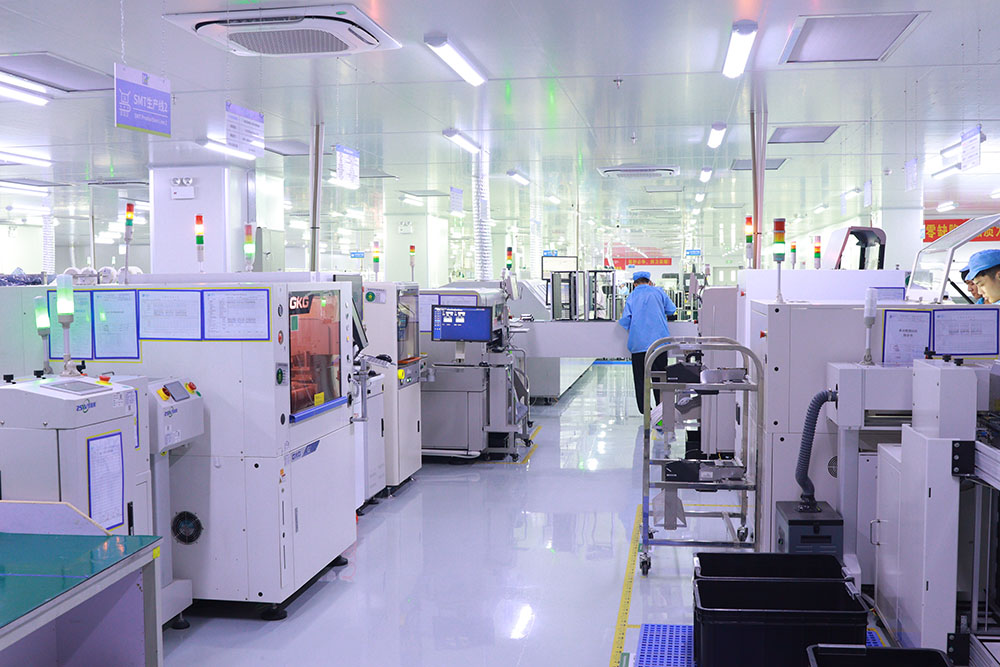
A PCBA is only one component of a finished electronic product. The enclosure, cabling, display, power supply, firmware, and user interface must all come together into a system that functions reliably in the hands of the end user. Box build — also called system integration — is the process of assembling these subsystems into a complete, testable, shippable product. At Keepbest, box build services extend our value from component-level assembly to finished-product delivery, reducing our customers’ supplier count, logistics complexity, and time to market.
This guide explains what box build encompasses, how it differs from PCBA assembly, what capabilities are required, and when to engage a partner for system-level integration.
What Is Box Build?
Box build is the complete assembly of an electronic product beyond the PCBA. It transforms individual subassemblies into a finished unit ready for end-user installation or deployment.
Typical Box Build Activities:
Mechanical Assembly: Mounting PCBAs into chassis, enclosures, or racks. Installing fans, heat sinks, shields, and brackets. Torque specifications are documented and verified.
Cable and Harness Integration: Fabricating and routing wire harnesses, ribbon cables, coaxial assemblies, and fiber optic connections. Crimping, soldering, and connectorization per IPC/WHMA-A-620 standards.
Display and Interface Integration: Installing LCD panels, touchscreens, keypads, and indicator LEDs. Optical alignment and touch calibration for user interfaces.
Power System Integration: Installing power supplies, battery packs, charging circuits, and power distribution modules. Load testing and safety verification per IEC 62368 or IEC 60601 as applicable.
Firmware Loading and Configuration: Programming microcontrollers, FPGAs, and flash memory. Configuring communication protocols, calibration coefficients, and device addresses.
Labeling and Packaging: Applying serial number labels, regulatory markings (CE, FCC, UL), barcodes, and branding. Final packaging with manuals, accessories, and protective materials.
PCBA Assembly vs. Box Build: Key Differences
| Attribute | PCBA Assembly | Box Build / System Integration |
| Scope | Component mounting and soldering on bare board | Complete product assembly including mechanical, electrical, and software |
| Skill set | SMT/THT soldering, inspection, test | Mechanical assembly, cable fabrication, firmware, packaging |
| Equipment | Pick-and-place, reflow, AOI, X-ray | Torque drivers, crimpers, laser etchers, functional test fixtures |
| Materials | Components, solder paste, flux | Enclosures, cables, fasteners, labels, packaging materials |
| Testing | ICT, FCT at board level | System-level functional test, burn-in, environmental stress screening |
| Traceability | Component lot to board serial | Component lot to finished product serial |
| Regulatory focus | IPC workmanship standards | Product safety (IEC, UL), EMC (FCC, CE), medical (FDA) |
When to Choose a Box Build Partner
Reduce Supplier Management Overhead: Coordinating separate vendors for PCBAs, cable harnesses, metal fabrication, and final assembly creates scheduling risk and accountability gaps. A single box build partner owns the entire integration.
Protect Intellectual Property: Sharing designs with fewer vendors reduces exposure. A trusted box build partner signs NDAs, maintains segregated production lines, and controls access to firmware and calibration data.
Accelerate Time to Market: Parallel development of PCBAs, mechanical components, and firmware is possible when the integration partner participates early in the design phase. DFM feedback covers enclosure tolerances, cable routing, and thermal management — not just board-level manufacturability.
Scale Without Capital Investment: Building box build capability in-house requires investment in assembly stations, test equipment, inventory space, and trained technicians. Outsourcing converts fixed costs to variable costs that scale with demand.
Your manufacturing partner Box Build Capabilities
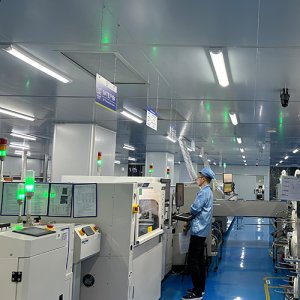
Mechanical Assembly: Torque-controlled fastening, adhesive bonding, heat sink attachment, and thermal interface material application. Experience with aluminum extrusions, sheet metal, plastic enclosures, and sealed IP-rated housings.
Cable and Harness Fabrication: Cut, strip, crimp, and terminate wire harnesses from 28 AWG signal wires to 4 AWG power cables. Coaxial and shielded cable assemblies for RF and high-speed data. All harnesses tested for continuity, insulation resistance, and pin mapping.
System-Level Testing: Custom functional test fixtures simulate the end-use environment. Tests include power-on self-test, communication protocol verification, sensor calibration, load testing, and burn-in for early life failure detection.
Configuration and Customization: Firmware loading with version control. Customer-specific configurations such as language settings, regional certifications, and feature enablement. Serial number programming and database logging.
Packaging and Logistics: Anti-static packaging, desiccant and humidity indicators for moisture-sensitive products, shock-absorbing foam, and custom cartons. Direct-to-customer drop shipping and inventory management via Kanban or consignment arrangements.
Design for System Integration
Successful box build starts at the design phase. Decisions made during mechanical and electrical design directly impact integration efficiency and reliability.
Enclosure Design: Provide adequate clearance for cable bend radii, connector mating, and tool access for assembly and service. Consider thermal management — passive convection, forced air, or conductive cooling — early in the design.
Cable Management: Define cable lengths, routing paths, and strain relief points. Excess cable length creates clutter and interference; insufficient length creates assembly stress and connector damage.
Modular Subassemblies: Design PCBAs, power modules, and display units as self-testable modules. This enables parallel assembly, easier diagnosis, and simplified field service.
Labeling and Identification: Every cable, connector, and module should have a unique identifier that matches the assembly drawing and test procedure. This prevents misconnection during integration and simplifies troubleshooting.
Quality Control for Box Build
Incoming Material Inspection: Verify enclosure dimensions, cable specifications, label accuracy, and packaging integrity before assembly begins.
In-Process Checks: Torque verification on critical fasteners. Visual inspection of cable routing and strain relief. Confirmation of firmware version and configuration settings.
System Functional Test: Power the complete system through a scripted test sequence that exercises every function under realistic operating conditions. Log all test data by serial number.
Final Inspection: Cosmetic inspection for scratches, contamination, and label alignment. Packaging verification for correct manuals, accessories, and protective materials.
Frequently Asked Questions
Q: What is the minimum order quantity for box build services?
The EMS provider supports box build from 50 units for pilot production through 10,000+ units for mass production. For very low volumes, we recommend a phased approach: PCBA first, then box build after design stabilization.
Q: Can Keepbest source mechanical components and enclosures?
Yes. We maintain relationships with metal fabrication, plastic injection molding, and rapid prototyping partners. We can source complete mechanical BOMs or work with your designated suppliers.
Q: How is firmware intellectual property protected during box build?
Firmware is loaded in a secure programming environment with access controls. Programming files are stored encrypted and are deleted from production systems after the build is complete. Staff are bound by confidentiality agreements.
Q: What regulatory certifications can Our assembly team support for finished products?
We support UL listing, CE marking, FCC Part 15, and IEC 60601 medical device safety testing through accredited third-party laboratories. We provide the manufacturing documentation and samples required for certification submissions.
Q: Can A qualified PCBA supplier handle product returns and warranty repairs?
Yes. We offer reverse logistics services including return authorization processing, failure analysis, repair, refurbishment, and disposition. Repair data feeds back into process improvement and design updates.
Q: How does box build pricing compare to PCBA-only assembly?
Box build adds mechanical assembly labor, testing, and packaging costs but eliminates the overhead of managing multiple vendors and logistics streams. For most customers, the total landed cost is lower with a single integration partner.
Ready to move from PCBA to finished product? Send your system BOM, assembly drawing, and test specification to the Keep best box build team. We will review your design for integration efficiency, propose a manufacturing and test plan, and provide a detailed quote for complete system assembly.