
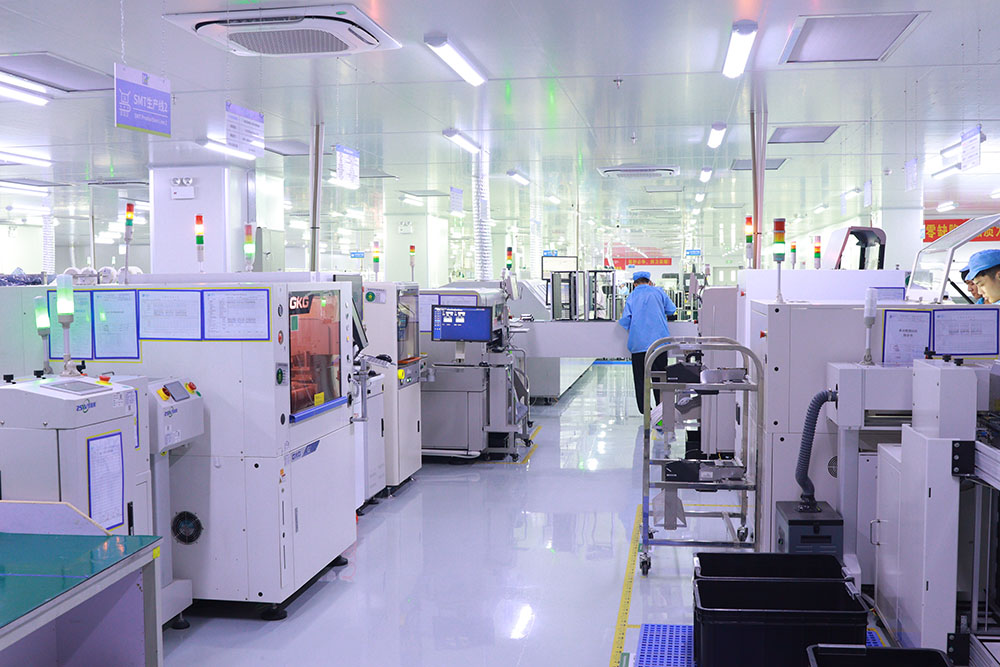
Even well-run production lines generate boards that need a second chance. A misplaced component, a wrong part, a tombstoned resistor, or a damaged joint can turn a good board into scrap unless it can be reworked. PCB rework and repair is the controlled process of correcting those defects while preserving the board’s reliability, and it is a mark of a mature manufacturing operation rather than a sign of failure.
Rework is not the same as careless desoldering. Done poorly, it weakens pads, lifts traces, and hides fractures that fail later in the field. Done well, it returns a board to like-new condition with no measurable loss of life, and it recovers value that would otherwise be discarded and replaced at full cost.
Distinguishing Rework From Repair
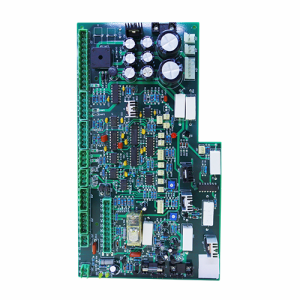
Rework corrects assembly errors on otherwise good boards, such as replacing a shifted capacitor, removing solder bridges, or fixing a misoriented diode. Repair restores function to a damaged board, perhaps after physical trauma, contamination, or field return. Both require controlled heat and disciplined technique, but repair often faces more uncertainty about hidden damage that is not visible on the surface.
The goal in each case is to avoid collateral damage. Surrounding components must not be overheated, and the board laminate must not blister or delaminate from excessive temperature or mechanical force. A rework that creates a new latent defect is worse than the original problem and far harder to detect.
Tools and Temperature Control
Hot-air rework stations, precision tweezers, and preheaters form the core toolkit. Preheating the entire board reduces thermal shock to the local area and makes solder release cleanly without scorching adjacent parts, much as a reflow oven ramps the whole assembly rather than blasting one spot with uncontrolled heat.
Profile control mirrors reflow discipline: ramp, soak, and cool within component-rated limits. A process-minded PCB assembly manufacturer sets these profiles per package type so variability does not creep into the outcome, and records them so that any technician can reproduce the same controlled thermal cycle regardless of shift or experience level.
Component Removal
Removing a multi-pin device like a BGA demands even heating across all balls. Specialized nozzles and bottom preheat soften the joint uniformly, allowing the part to lift without tearing pads. Attempting this with a single hot-air gun risks pad loss and board damage, and frequently destroys a board that careful technique would have saved with minimal effort.
BGA Reballing and Replacement
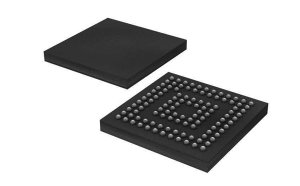
Ball-grid arrays are common yet unforgiving. When a BGA fails, technicians often reball it, replacing the solder spheres with a stencil and precise placement, or replace it entirely with a known-good unit. Both require alignment tools and X-ray verification to confirm the new joints are sound and free of bridging that would cause intermittent faults.
Because BGA joints hide beneath the package, X-ray inspection is not optional here. It reveals voids, bridging, and misalignment that optical checks miss entirely, and it is the only practical way to confirm a reballed device will survive in the field under thermal and mechanical stress.
Preventing Damage During Rework
Mechanical force is the enemy of surrounding circuitry. Prying a stuck part can lift pads permanently, so heat, not leverage, should do the work. Anti-static handling protects sensitive devices from unseen discharge damage, and localized shielding protects neighboring components from stray hot air that could weaken their own joints.
A disciplined one-stop PCBA solution documents each rework, records the reason and the method, and verifies the result, because an undocumented fix is a reliability unknown lurking in the field. Traceability also feeds process improvement by revealing which defects recur and why, guiding upstream fixes that reduce rework demand.

Cost-Benefit of Rework
Rework makes economic sense when the board’s value exceeds the cost of correction plus the risk of a latent defect. For high-value or long-lead boards, rework is almost always worthwhile. For trivially cheap boards with simple defects, the labor may exceed replacement cost, and scrapping is the rational choice that frees capacity for more valuable work.
A clear threshold, agreed with the customer, prevents inconsistent decisions on the bench. It also protects against the temptation to rush a questionable repair into shipment, which trades a small saved cost for a large reputational risk if the board fails in the customer’s hands.
Training and Certification
Rework is a skill that rewards training. Operators who understand metallurgy, thermal profiles, and ESD protection produce consistently better results than those working by feel. Industry certifications provide a baseline, but hands-on practice on representative boards builds the judgment that separates a clean repair from a damaging one.
Used judiciously, rework and repair recover value from near-miss boards and reduce waste, supporting both cost and sustainability goals. The key is treating the process with the same rigor as original assembly, not as a casual afterthought on the bench that anyone can attempt.